






What's Happening?
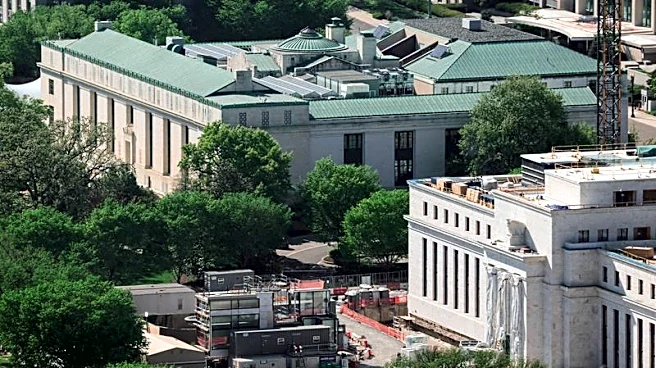
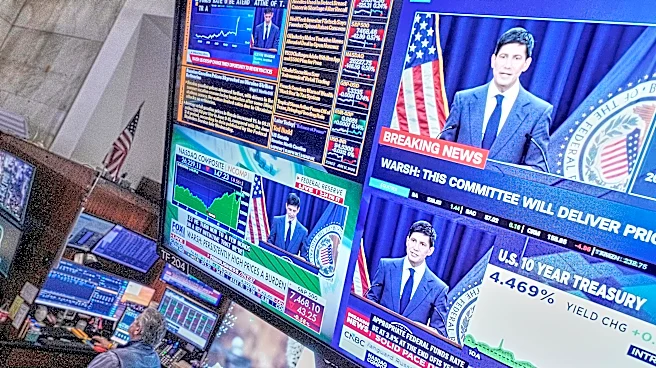
The Federal Reserve has decided to keep the benchmark interest rate steady, with projections indicating a potential rate hike later this year due to rising inflation concerns. Kevin Warsh, the new Fed chief, emphasized that forward guidance is not suitable
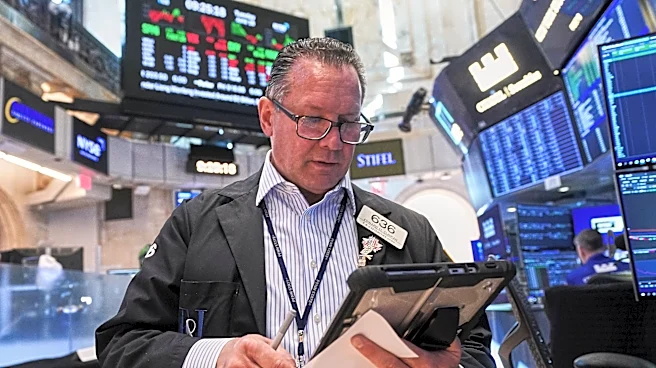
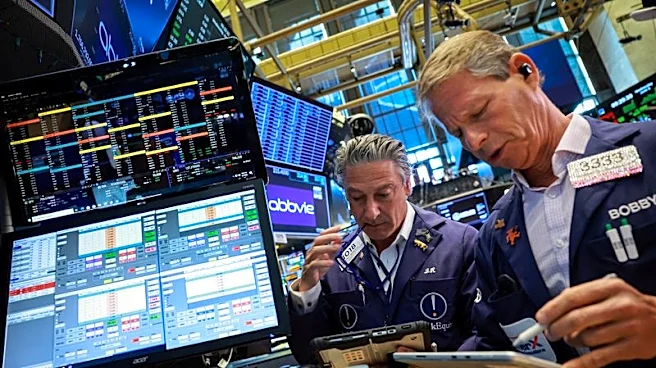
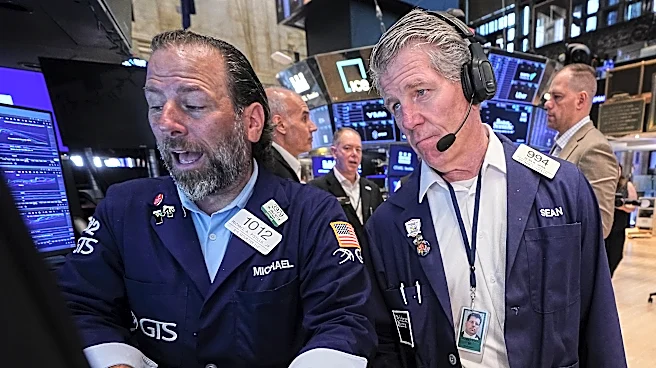
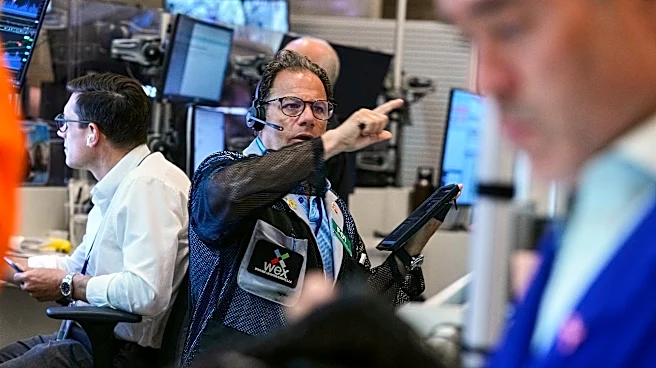
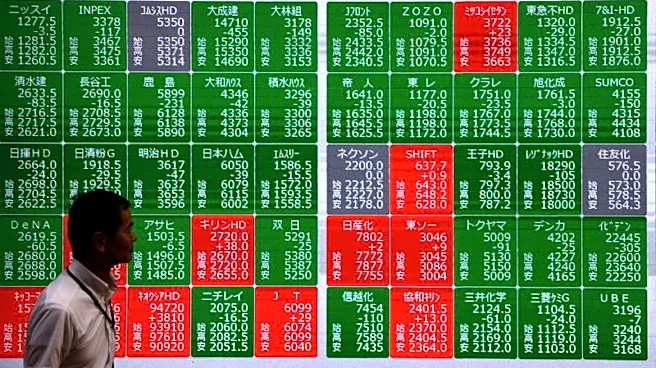
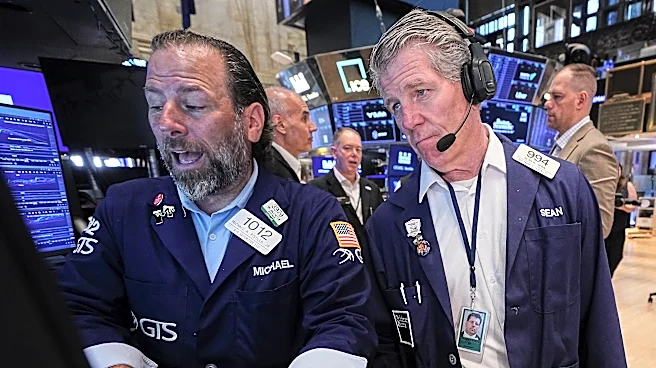
for the current economic climate. The policy interest rate, which has been in the 3.50%-3.75% range since last December, is expected to increase by a quarter of a percentage point by year-end. This decision has led to a decline in major stock indexes, with the Dow Jones Industrial Average, S&P 500, and Nasdaq Composite all experiencing significant drops. Additionally, the U.S. dollar strengthened, and Treasury yields rose, reflecting market expectations of future rate hikes.
Why It's Important?
The Federal Reserve's decision to maintain interest rates while signaling a potential hike is significant for the U.S. economy, as it reflects ongoing concerns about inflation. This move impacts various stakeholders, including investors, businesses, and consumers, as it influences borrowing costs and financial market stability. The anticipation of higher rates could lead to increased volatility in stock markets and affect consumer spending and business investment. The Fed's stance also highlights the challenges of balancing economic growth with inflation control, which is crucial for maintaining economic stability.
What's Next?
The Federal Reserve's future actions will be closely monitored by investors and policymakers. The possibility of a rate hike later this year suggests that the Fed is prepared to act if inflation continues to rise. Market participants will be watching for further economic data and Fed communications to gauge the likelihood and timing of any rate changes. Additionally, the Fed's approach may influence other central banks' policies, potentially affecting global financial markets.