





What's Happening?
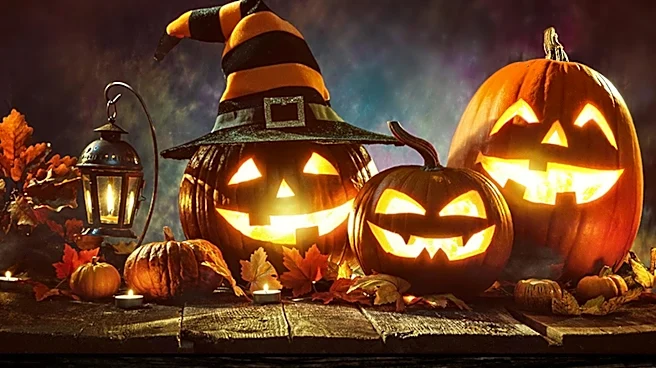
Halloween has evolved from an ancient Celtic ritual into a significant commercial and cultural tourism event in the United States, attracting visitors and generating substantial economic activity. While its origins trace back to Samhain, an ancient Celtic festival,
Irish and Scottish immigrants brought these traditions to North America in the 19th century. Over time, these customs, including pumpkin carving, costume parties, and trick-or-treating, became integral to American popular culture, particularly after World War II. Today, U.S. destinations leverage Halloween to create unique experiences, ranging from New York's Village Halloween Parade with its elaborate costumes and street performances to Universal's Halloween Horror Nights in Orlando, which transforms horror films into ticketed attractions. Historic Salem, Massachusetts, capitalizes on its witch-trial history with guided tours and month-long seasonal events. These diverse offerings appeal to various audiences, from families seeking autumn activities to adults looking for horror-themed entertainment, effectively extending the tourism season beyond traditional summer travel.
Why It's Important?
The transformation of Halloween into a major tourism driver holds significant importance for the U.S. economy and local communities. It provides a crucial opportunity to extend the tourism season, supporting accommodation providers, restaurants, and local businesses during periods outside peak summer demand. This seasonal extension helps stabilize revenue streams for businesses that might otherwise experience a lull. Furthermore, Halloween fosters cultural tourism by allowing destinations to highlight local traditions, entertainment, and popular culture. The commercial opportunities extend beyond admission tickets, as visitors book hotels, dine locally, shop, and combine events with other attractions. Events lasting several weeks can also spread demand, mitigating the concentration of economic activity to a single day. This model demonstrates how a familiar celebration can be leveraged to encourage travel, reducing reliance on traditional sightseeing and creating new avenues for economic growth and job creation in various regions across the country.
What's Next?
The trend of Halloween-driven tourism is likely to continue expanding, with destinations further developing and diversifying their seasonal offerings. Expect to see more cities and towns investing in unique Halloween-themed events, parades, and attractions to draw visitors. There will likely be an increased focus on creating immersive and experience-led travel opportunities, incorporating local history, folklore, and entertainment. Tour operators are expected to integrate these activities into short breaks and longer itineraries, particularly those encouraging overnight stays. As the popularity of Halloween tourism grows, destinations will need to carefully manage the balance between commercialization and preserving the authenticity of local traditions. This includes ensuring that events are presented accurately and involve local communities, fostering a sustainable and respectful approach to cultural tourism. The success of current Halloween programs will likely inspire other destinations to explore similar strategies for leveraging seasonal events to boost their local economies.
Beyond the Headlines
The rise of Halloween as a tourism phenomenon highlights a broader shift in travel preferences towards experience-led and cultural immersion. It underscores how cultural heritage, even one with ancient and evolving roots, can be effectively packaged and promoted to create significant economic opportunities. This trend also brings to light the importance of storytelling in tourism, where destinations that can connect events with local history and unique experiences tend to be more successful. The commercialization of holidays like Halloween also raises questions about cultural authenticity and the potential for traditions to be diluted or altered for mass appeal. However, when managed thoughtfully, with local communities involved and traditions presented accurately, such initiatives can not only boost economies but also foster a deeper appreciation for diverse cultural practices. This model could serve as a blueprint for other destinations looking to transform their unique cultural events into compelling reasons for travel, thereby enriching both visitors' experiences and local economies.