




What's Happening?
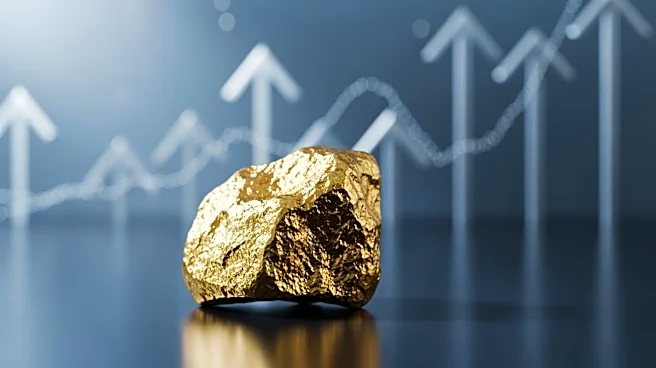
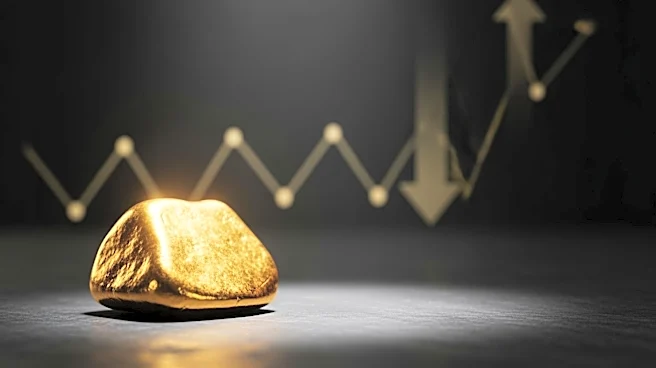
Gold's recent price correction is seen as an attractive entry point for investors, according to Jerry Prior, COO and senior portfolio manager at KraneShares. Despite short-term pressures, the long-term bull market for gold remains intact, driven by a global
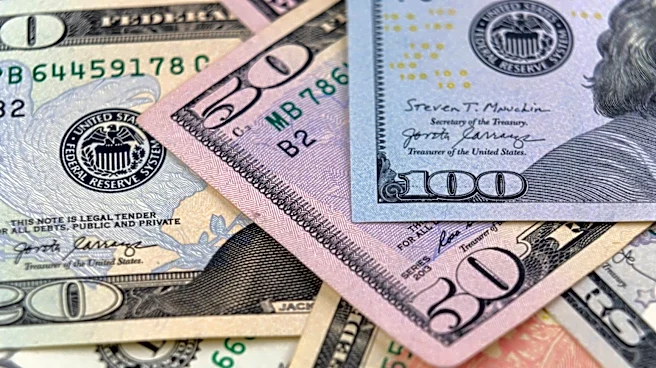
shift away from the U.S. dollar as the dominant reserve asset. This de-dollarization trend, coupled with increased oil production in the Middle East, is expected to support investment flows into gold. Prior notes that speculative investors and sovereign buyers have contributed to recent price declines, but the downside may already be priced in. He anticipates a resurgence in central-bank demand for gold as countries diversify reserves away from dollar-denominated assets.
Why It's Important?
The structural shift away from the U.S. dollar has significant implications for global financial markets and reserve management strategies. As countries seek alternative stores of value, gold's role as a defensive asset is reinforced. This trend could lead to increased volatility in currency markets and impact the U.S. Treasury market, as capital flows shift towards gold. Investors and policymakers must consider these dynamics when making strategic decisions, particularly in the context of rising interest rates and inflation expectations.
What's Next?
Looking ahead, Prior expects gold prices to climb to approximately $4,500 an ounce by year-end, driven by renewed central-bank demand and the ongoing de-dollarization trend. However, investors should be prepared for potential volatility, as interest rate fluctuations and inflation expectations continue to influence market conditions. The broader macroeconomic backdrop, including reshoring and supply-chain realignment, will also play a role in shaping gold's trajectory.