



What's Happening?
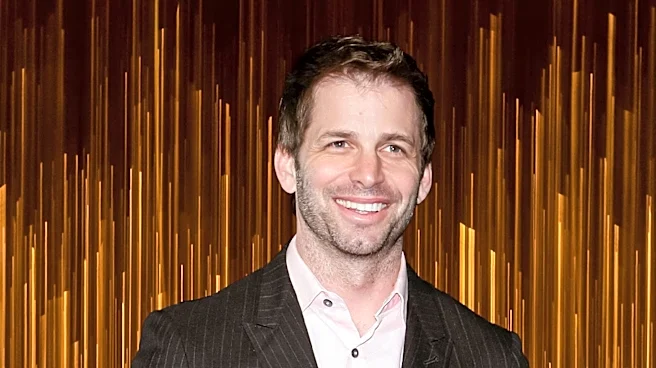
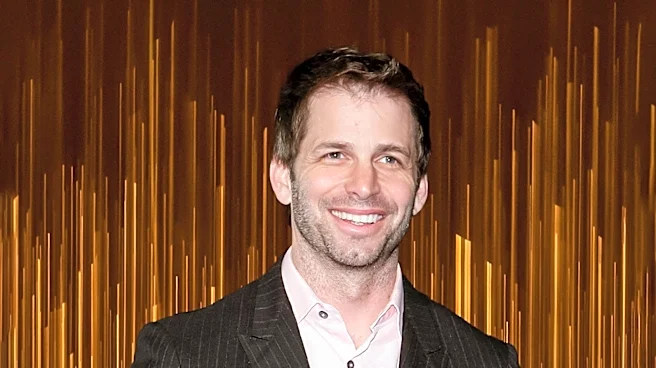
Director Zack Snyder has revealed that licensing issues are preventing the release of a director's cut for his 2011 film 'Sucker Punch,' which starred Emily Browning, Abbie Cornish, Oscar Isaac, and Jon Hamm. Snyder, known for frequently releasing director's cuts
of his films, explained on the Happy Sad Confused podcast that the 'Hollywood business machine' is the primary obstacle. He stated that if a studio or streaming service has purchased the original version of 'Sucker Punch' for their platform, releasing a new director's cut could diminish the value of the version they already own. This situation creates a complex hurdle for Snyder, who has expressed a desire to revisit and re-release the film with his preferred edits, similar to six other films in his career that have received director's cuts.
Why It's Important?
This situation highlights the intricate and often restrictive nature of intellectual property rights and licensing agreements within the film industry. For filmmakers like Zack Snyder, who are deeply invested in their artistic vision, these contractual obligations can significantly impede their ability to present their work as originally intended. For consumers, it means that certain versions of films, particularly director's cuts that often offer a more complete or different narrative experience, may remain inaccessible due to business considerations rather than creative ones. This scenario also impacts studios and streaming services, as they must balance the potential for new revenue from re-releases against the perceived devaluation of existing licensed content. It underscores how financial and legal frameworks can dictate the availability and presentation of artistic works in the digital age.
What's Next?
For the foreseeable future, fans of Zack Snyder and 'Sucker Punch' will likely have to wait for the various licensing agreements to expire or for a new deal to be negotiated that addresses the concerns about diminishing value. Snyder's public comments may put pressure on Warner Bros. or other rights holders to explore solutions, but the process is typically lengthy and complex. It's possible that as the film ages and licensing terms evolve, opportunities for a director's cut could emerge. In the interim, Snyder will continue to work on other projects, and his existing director's cuts will remain available. The situation could also prompt broader discussions within the industry about how to better accommodate director's visions while protecting the financial interests of content distributors.
Beyond the Headlines
The 'Sucker Punch' director's cut dilemma touches upon the broader tension between artistic integrity and commercial viability in Hollywood. Directors often have a specific vision for their films that may not align with studio mandates or market strategies, leading to theatrical releases that differ from their original cuts. The rise of director's cuts, particularly in the era of home video and streaming, has empowered filmmakers to reclaim their narratives. However, as Snyder's case illustrates, even with a strong desire from the director, the complex web of licensing and distribution rights can still override creative intent. This situation raises questions about who ultimately controls a film's final form and how much creative freedom directors truly possess once a project is under studio ownership. It also highlights the evolving business models in entertainment, where the value of content is constantly being reassessed based on its exclusivity and availability across different platforms.