






What's Happening?
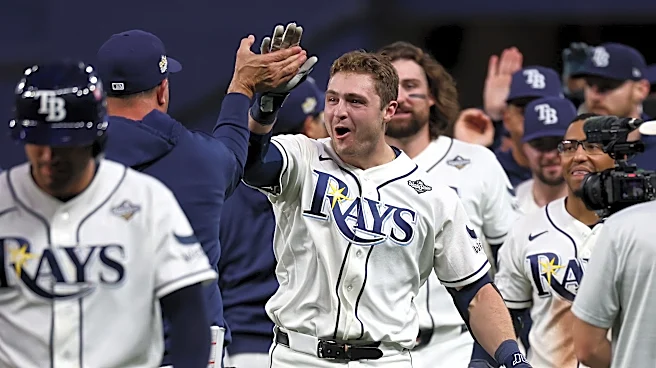
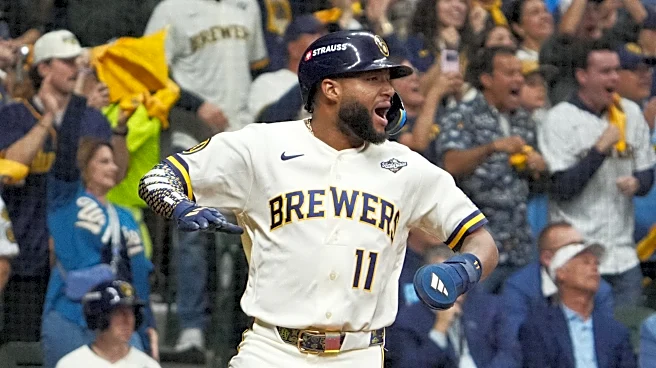
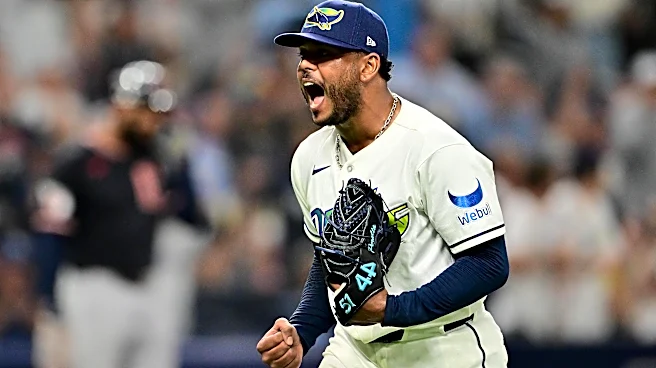
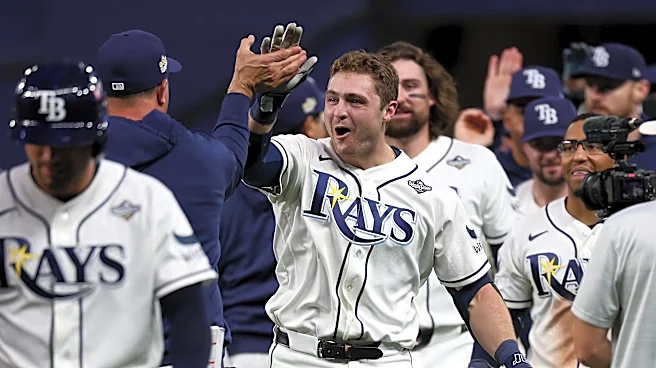
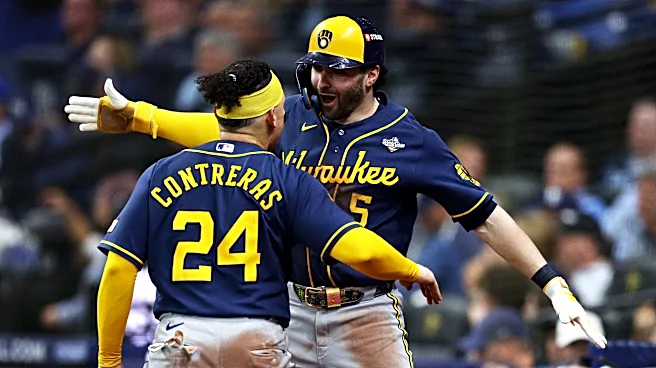
Game 4 of the World Series between the Milwaukee Brewers and the Tampa Bay Rays is scheduled to air on FOX at 8 p.m. ET. For U.S. viewers without cable, several streaming options are available. FOX One offers a direct streaming counterpart for $20 a month.
Live TV streaming services such as YouTube TV and Fubo also carry FOX. YouTube TV's Main plan, which includes over 100 channels, is currently available for a limited-time deal of $68 a month for the first five months after a free trial, typically costing $83. Fubo Pro, offering over 200 channels, is priced at $89 a month, with new customers eligible for $25 off their first month after a free trial. Additionally, SlingTV offers a Sling Select plan for $19.99 per month. Free trials are available for DIRECTV and Fubo, allowing fans to watch the game without immediate cost.
Why It's Important?
The availability of multiple streaming options for the World Series highlights the ongoing shift in how consumers access live sports content. This flexibility caters to a diverse audience, including cord-cutters and those seeking more affordable alternatives to traditional cable TV. The competitive pricing and free trial offers from services like YouTube TV, Fubo, and DIRECTV indicate a robust market for live sports streaming, benefiting consumers with more choices and potentially driving down costs. This trend also underscores the importance of digital platforms for major sporting events, expanding their reach beyond conventional broadcast channels. For advertisers and content providers, these streaming services represent new avenues for engagement and revenue, reflecting the evolving landscape of media consumption in the U.S.
What's Next?
The increasing reliance on streaming services for major sports events suggests a continued expansion of digital broadcasting. We can anticipate more exclusive streaming deals for sports leagues and further innovation in streaming technology to enhance viewer experience. The competition among streaming providers is likely to intensify, leading to more aggressive pricing strategies and bundled offerings to attract and retain subscribers. This could also prompt traditional broadcasters to further integrate their content with digital platforms. As more viewers migrate to streaming, the industry will need to address challenges such as regional blackouts and ensuring consistent, high-quality streams across various devices. The success of these streaming models for events like the World Series will inform future strategies for sports content distribution.
Beyond the Headlines
The proliferation of streaming options for the World Series reflects a broader societal trend towards personalized and on-demand content consumption. This shift impacts not only the media industry but also consumer behavior, as individuals gain greater control over their entertainment choices. The ability to watch live sports without a traditional cable subscription democratizes access, potentially increasing viewership among younger demographics who prefer digital platforms. However, it also raises questions about the fragmentation of sports content across numerous services, which could lead to subscription fatigue for some consumers. The ongoing evolution of sports streaming will likely shape future business models for sports leagues, influencing everything from broadcasting rights negotiations to fan engagement strategies and the overall accessibility of live sporting events.