







What's Happening?
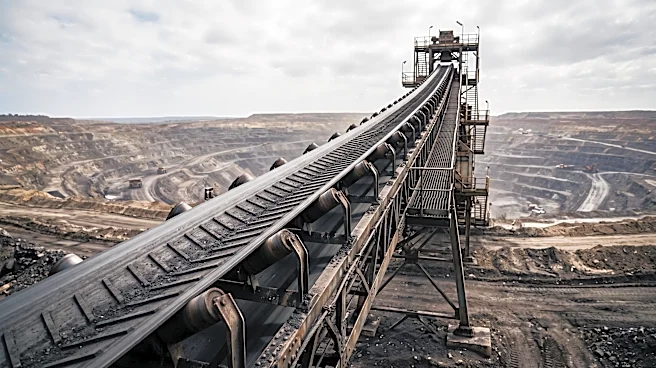
Japanese trading house Sojitz has announced its agreement to sell its entire stake in the Gregory Crinum coal mine located in Queensland, Australia. This divestment is part of a broader structural reform strategy by Sojitz aimed at reducing its exposure
to metallurgical coal assets. While the buyer and financial terms of the deal have not been disclosed, the completion of the sale is subject to various conditions, including regulatory approvals. This move aligns with Sojitz's long-term sustainability plan, which commits the company to divesting all of its metallurgical coal interests by 2050, citing the global shift towards decarbonization.
Why It's Important?
Sojitz's decision to sell its stake in the Gregory Crinum coal mine reflects a significant trend among global corporations to reduce their carbon footprint and align with environmental, social, and governance (ESG) principles. This divestment signals a strategic shift away from fossil fuels, particularly metallurgical coal, which is used in steel production. For the U.S. and other developed economies, such actions by major international trading houses can influence global commodity markets and accelerate the transition to cleaner energy sources and industrial processes. It also highlights the increasing financial and reputational risks associated with carbon-intensive assets, prompting companies to re-evaluate their portfolios and invest in more sustainable alternatives. This could impact the availability and pricing of metallurgical coal globally, potentially driving innovation in green steel production.
What's Next?
The sale of Sojitz's stake in the Gregory Crinum coal mine is pending regulatory approvals and other conditions. Following the completion of this transaction, Sojitz will continue to pursue its long-term sustainability plan, which includes divesting all its metallurgical coal interests by 2050. The company has already sold its stake in Australia's Lake Vermont metallurgical coal mine and, while it currently holds a stake in the Jellinbah East metallurgical coal mine, it has no immediate plans for its sale. This ongoing strategy suggests a continued re-shaping of Sojitz's asset portfolio, with a clear trajectory towards reduced reliance on coal and increased investment in more sustainable ventures. Other companies in the sector may follow suit, leading to further consolidation or divestment in the metallurgical coal market.
Beyond the Headlines
Sojitz's divestment is more than just a business transaction; it represents a tangible response to the irreversible global shift towards decarbonization. This move underscores the growing pressure from investors, regulators, and the public for companies to address climate change. It also highlights the evolving definition of corporate responsibility, where long-term financial viability is increasingly linked to environmental sustainability. The gradual exit of major players like Sojitz from the coal sector could accelerate the development and adoption of alternative industrial processes and materials, particularly in steelmaking, which is a significant contributor to global emissions. This could lead to a re-evaluation of economic models that have historically relied on fossil fuels, fostering innovation in green technologies and potentially creating new economic opportunities in sustainable industries.