


What's Happening?
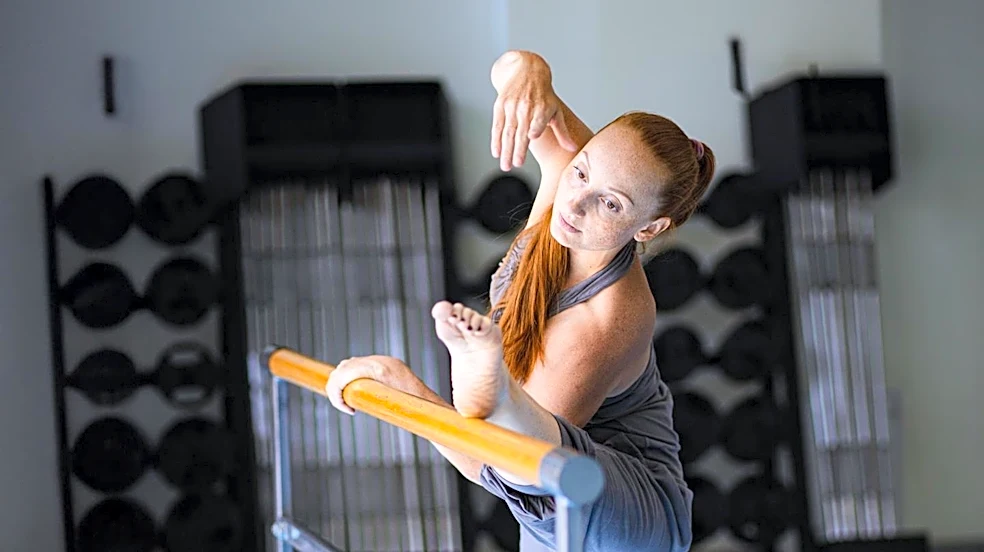
Pilates, a widely recognized exercise method, is gaining attention for its comprehensive benefits in enhancing strength, flexibility, posture, and balance. This exercise regimen challenges muscles through body weight, gravity, and sometimes springs or small
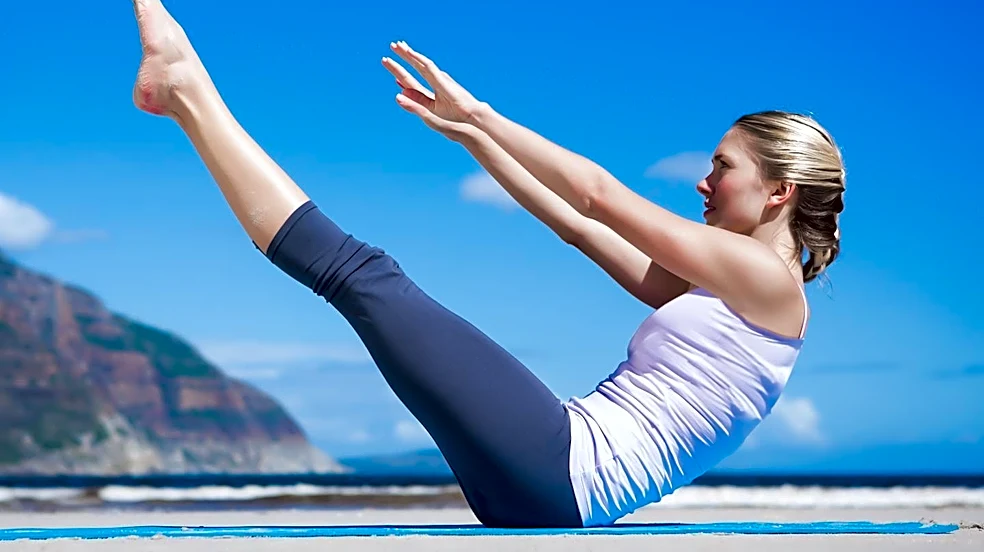
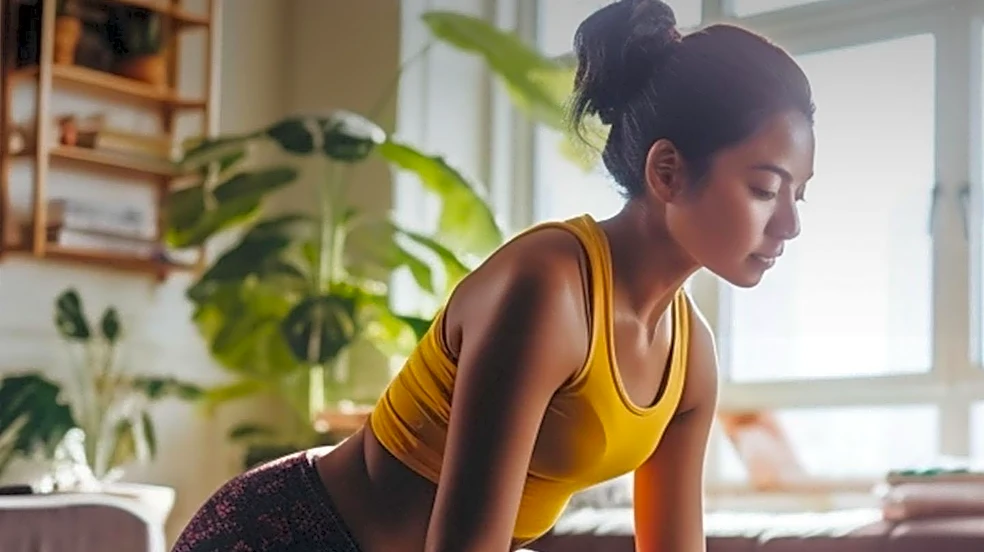
props, engaging abdominal muscles, back, hips, legs, and upper body. It also focuses on muscular endurance, which is the ability to sustain effort over time. Beyond core strength, Pilates movements are designed to improve overall physical awareness and coordination. Classes often combine strengthening movements with opportunities to bend, reach, rotate, and stretch, contributing to improved flexibility and mobility. The practice also emphasizes balance and coordination by requiring individuals to coordinate different body parts while controlling movements, such as moving one leg while keeping the pelvis steady or coordinating arm movements with breathing. Mat Pilates, a popular form, requires minimal equipment, often just a mat and clear floor space, making it accessible for home practice. Reformer Pilates, on the other hand, utilizes a moving carriage and spring resistance, offering both support and increased challenge.
Why It's Important?
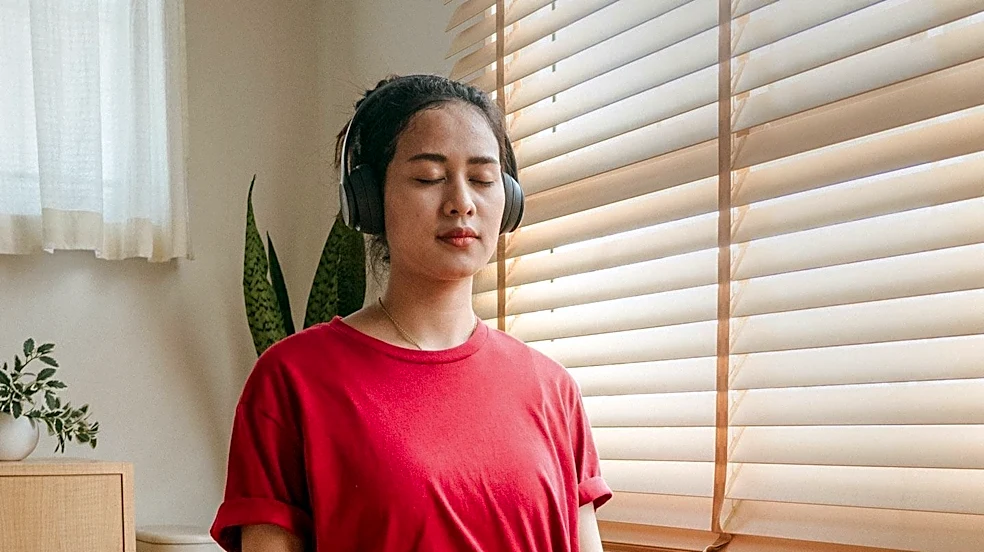
The growing popularity and accessibility of Pilates are significant for public health and fitness in the U.S. As a low-impact exercise, Pilates is suitable for a wide range of individuals, from beginners to experienced practitioners, and can be adjusted to various fitness levels. This inclusivity makes it a valuable option for promoting physical activity across different demographics. The focus on core strength, flexibility, and balance can contribute to injury prevention and rehabilitation, which is crucial given the rising healthcare costs associated with musculoskeletal issues. Furthermore, the mental aspect of Pilates, which involves listening, noticing breathing, and paying attention to movement, offers a focused break from daily stressors, potentially improving mental well-being. The availability of both Mat and Reformer Pilates, with options for group classes, private sessions, and at-home practice, provides diverse avenues for individuals to engage in physical activity, catering to different preferences and needs. This widespread adoption could lead to a healthier, more active population, reducing the burden of chronic diseases and improving overall quality of life.
What's Next?
The continued expansion of Pilates offerings is anticipated, with more studios and online platforms likely to emerge, providing diverse class formats and accessibility options. As awareness of its benefits grows, there may be increased integration of Pilates into corporate wellness programs, physical therapy, and sports training. Instructors are expected to continue adapting the method to cater to specific populations, such as older adults, pregnant individuals, or those recovering from injuries, by offering specialized classes and modifications. The development of new props and equipment could also enhance the Pilates experience, providing varied challenges and support. Furthermore, research into the long-term health benefits of Pilates may lead to its broader recognition as a therapeutic and preventative exercise modality, potentially influencing healthcare recommendations and insurance coverage for such programs. The trend towards personalized fitness experiences suggests a future where Pilates instruction becomes even more tailored to individual needs and goals.
Beyond the Headlines
Beyond its physical benefits, Pilates fosters a deeper connection between mind and body, promoting body awareness and mindful movement. This aspect can have profound implications for overall well-being, extending beyond the gym or studio. The emphasis on precision and control in Pilates can translate into improved posture and movement patterns in daily life, reducing strain and discomfort. Ethically, the accessibility of Mat Pilates, requiring minimal equipment, democratizes fitness, making it available to individuals who may not have access to specialized studios or expensive equipment. The method's adaptability also highlights a shift in fitness culture towards sustainable, holistic practices rather than solely high-intensity workouts. This focus on gradual progression and individualized attention can empower individuals to take a more active role in their health journey, fostering a sense of self-efficacy and long-term commitment to physical activity. The integration of Pilates principles into everyday life can lead to a more balanced and harmonious existence.