









What's Happening?
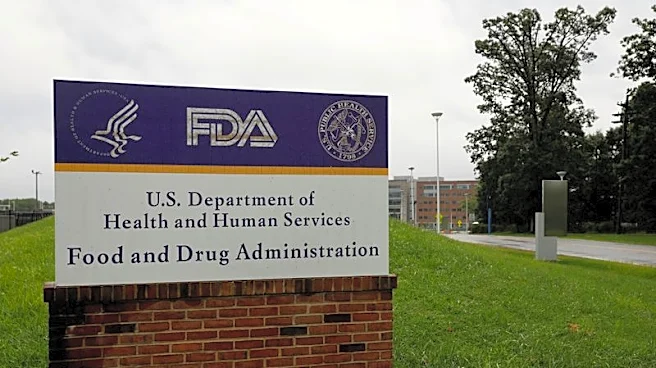
The FDA has reversed its previous requirement for sham-controlled Phase 3 trials for gene therapies, allowing uniQure and REGENXBIO to proceed with their respective applications based on existing data. This decision reflects a shift in the FDA's regulatory
approach, potentially benefiting other companies developing treatments for rare diseases. The agency's new stance on using external controls in clinical trials could expedite the approval process for therapies addressing significant unmet medical needs. This change follows the departure of CBER Director Vinay Prasad, signaling a more innovation-friendly environment at the FDA.
Why It's Important?
The FDA's revised approach could significantly impact the biotech industry, particularly for companies developing treatments for rare diseases. By accepting external controls, the FDA is encouraging innovative trial designs, which may reduce the time and cost associated with bringing new therapies to market. This shift could lead to faster access to life-saving treatments for patients with rare conditions, enhancing the industry's ability to address unmet medical needs. The decision also reflects a broader trend towards regulatory flexibility, which could foster greater innovation in drug development.
What's Next?
Several companies, including Skyhawk Therapeutics, Capricor Therapeutics, and Biohaven, may benefit from the FDA's new stance, potentially accelerating their drug approval processes. These companies are exploring expedited regulatory pathways and leveraging real-world data to support their applications. The FDA's decision could set a precedent for future approvals, encouraging more biotech firms to adopt innovative trial designs. As the industry adapts to these changes, stakeholders will closely monitor the FDA's actions to ensure consistent and fair application of its new guidelines.