







What's Happening?
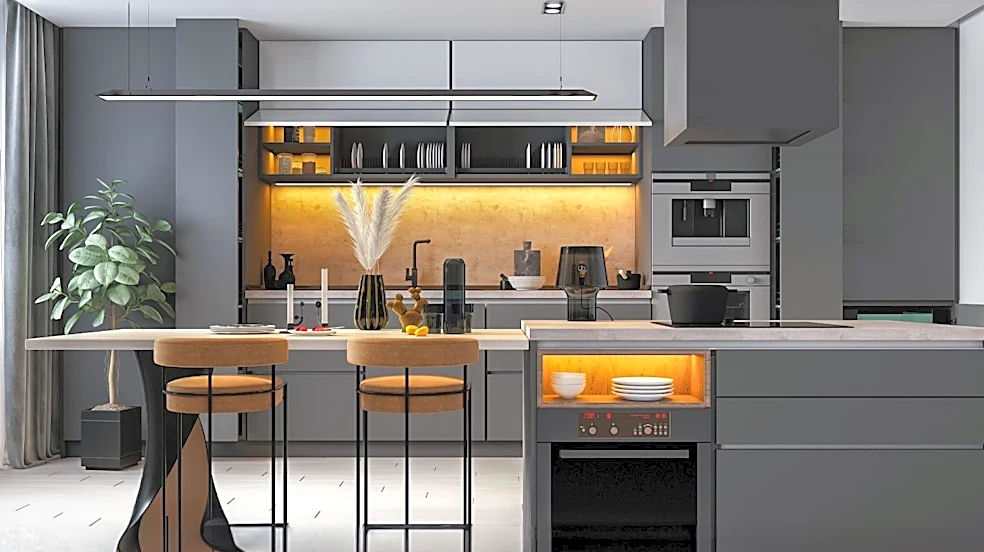
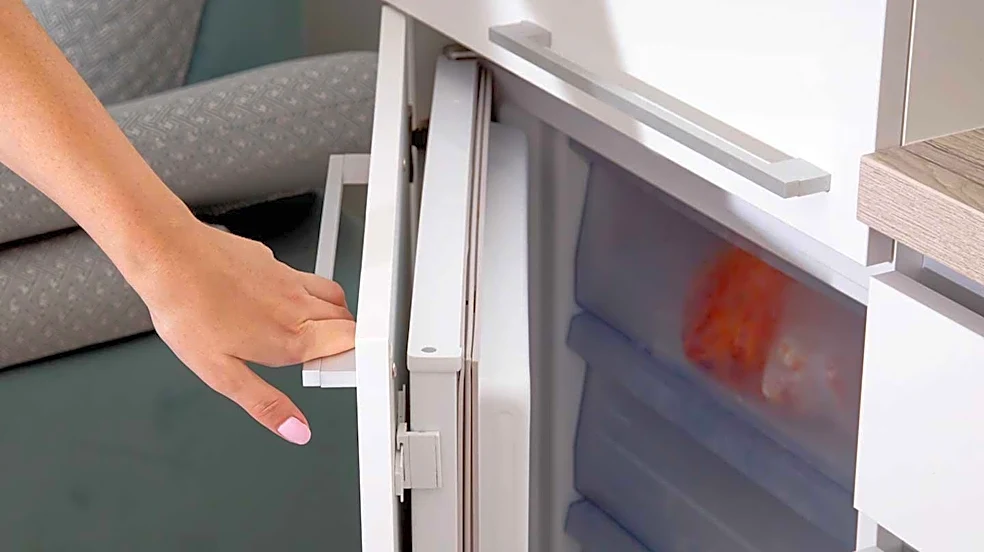
Integrated appliances are designed to blend seamlessly into kitchen cabinetry, creating a cohesive and uncluttered aesthetic. These appliances, which include items like ovens, microwaves, refrigerators, and dishwashers, are chosen for their ability to combine
design with performance, maximizing space while providing reliable features for meal preparation and storage. Examples range from built-in microwaves that fit specific cabinet openings to multi-cookers that replace numerous kitchen devices. The selection of integrated appliances involves considering factors such as space and kitchen layout compatibility, ensuring precise measurements for a perfect fit. Installation often requires thoughtful planning, and professional installation is recommended to ensure proper integration and functionality. These appliances also emphasize energy efficiency, connectivity with smart home systems, and long-term value, contributing to a modern, organized, and efficient cooking space.
Why It's Important?
The growing popularity of integrated appliances reflects a significant shift in kitchen design towards minimalism, efficiency, and smart home integration. For homeowners, these appliances offer a sophisticated aesthetic that can enhance property value and create a more enjoyable living environment. The focus on space-saving and cohesive design is particularly relevant in urban areas or smaller homes where maximizing every inch is crucial. Furthermore, the emphasis on energy efficiency and smart connectivity aligns with broader consumer demands for sustainable and technologically advanced home solutions. This trend impacts appliance manufacturers, kitchen designers, and contractors, driving innovation in product development and installation techniques. It also signifies a consumer preference for kitchens that are not just functional but also serve as central, aesthetically pleasing hubs within the home.
What's Next?
The market for integrated appliances is expected to continue its growth, with future innovations likely focusing on even greater seamlessness, advanced smart features, and enhanced sustainability. Manufacturers will likely develop more appliances that can communicate with each other and with broader smart home ecosystems, offering more automated and personalized cooking experiences. We may see further advancements in materials and finishes that allow appliances to disappear even more completely into cabinetry, or offer customizable panels to match any kitchen decor. Energy efficiency will remain a key driver, with new technologies aimed at reducing consumption. As consumer demand for integrated solutions increases, kitchen designers will play an even more critical role in planning and executing these complex, highly customized kitchen environments, ensuring both aesthetic appeal and optimal functionality.
Beyond the Headlines
The rise of integrated appliances signifies more than just a design trend; it reflects a deeper cultural aspiration for order, efficiency, and technological sophistication in the domestic sphere. In an increasingly chaotic world, the desire for a clean, uncluttered kitchen can be seen as a quest for calm and control within the home. Ethically, the focus on energy efficiency in these appliances aligns with growing environmental consciousness, encouraging more sustainable consumption patterns. Legally, the complex installation requirements may lead to more stringent regulations or certifications for installers to ensure safety and proper function. Culturally, the integrated kitchen becomes a symbol of modern living, where technology is subtly woven into the fabric of daily life, enhancing convenience without dominating the visual landscape. This trend suggests a future where home environments are not just functional but also highly curated, intelligent, and harmoniously designed spaces.