





What's Happening?
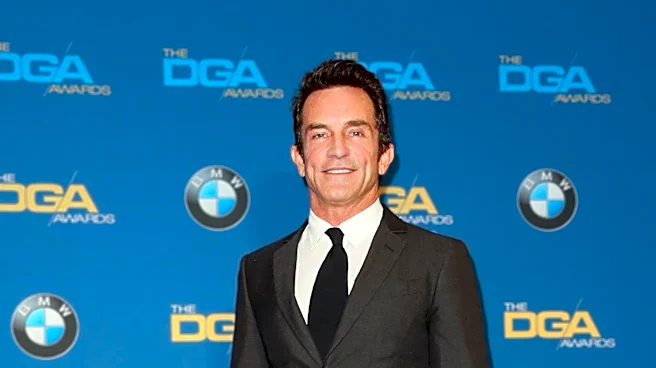
Jeff Probst, the long-time host and executive producer of the reality competition series "Survivor," has publicly stated that the show will maintain its inclusive casting mandate. This announcement comes despite its parent company, Paramount, recently
scaling back its corporate diversity, equity, and inclusion (DEI) initiatives. Probst emphasized that "nothing has changed" regarding the series' commitment to diverse representation, highlighting a distinction between broader network policy shifts and the creative autonomy of established television productions. The original diversity mandate, which Probst praised as "one of the biggest positive changes ever" for the franchise, required at least fifty percent of the cast to be Black, Indigenous, or people of color. This firm stance from the "Survivor" production team follows a wider corporate trend in the American entertainment sector where several major corporations, including Paramount, have officially scrapped overarching diversity initiatives, coinciding with broader political and cultural shifts concerning corporate governance.
Why It's Important?
This development is significant as it illustrates a potential divergence between corporate-level DEI policies and the operational decisions of individual productions within the entertainment industry. While Paramount, like other major corporations, has retreated from formal diversity initiatives, "Survivor's" commitment to inclusive casting suggests that some creative teams may retain the authority or conviction to uphold their own diversity standards. This could influence how other television shows and creative projects navigate the evolving landscape of corporate DEI. For viewers and advocates of diverse representation, Probst's statement offers reassurance that certain popular programs will continue to prioritize inclusivity, potentially setting a precedent for creative autonomy in the face of corporate policy changes. Conversely, it also highlights the ongoing debate and varying approaches to DEI within the U.S. business and entertainment sectors, where some entities are re-evaluating or rolling back such programs due to various pressures.
What's Next?
The continued commitment of "Survivor" to its diversity mandate could lead to increased scrutiny of other television productions and their parent companies regarding their DEI practices. It may prompt discussions within the entertainment industry about the balance between corporate directives and creative control, especially concerning social responsibility and representation. Other shows and networks might face pressure to clarify their stances on diversity, equity, and inclusion, particularly if "Survivor" continues to demonstrate success with its inclusive casting. This situation could also influence future talent acquisition and production strategies across the industry, as creators and performers may gravitate towards projects that explicitly uphold diversity values. Furthermore, the public's reaction to "Survivor's" decision versus Paramount's broader corporate policy could provide valuable feedback on consumer expectations regarding diversity in media.
Beyond the Headlines
The "Survivor" situation delves into the deeper implications of corporate social responsibility and the evolving definition of diversity in the U.S. business landscape. It raises questions about whether DEI initiatives are perceived as genuine commitments or merely performative measures, especially when corporate policies shift. The show's emphasis on diverse casting as a fundamental component of its narrative success suggests that, for some, diversity is not just a moral imperative but a strategic advantage that enhances storytelling and audience engagement. This could spark a broader conversation about the intrinsic value of diversity in creative content versus its perception as a compliance or public relations effort. The differing approaches within Paramount's ecosystem also highlight the complex interplay between corporate headquarters and individual brand identities, where established and successful brands may wield more influence in shaping their own operational values, even if they diverge from the parent company's overarching stance.