









What's Happening?
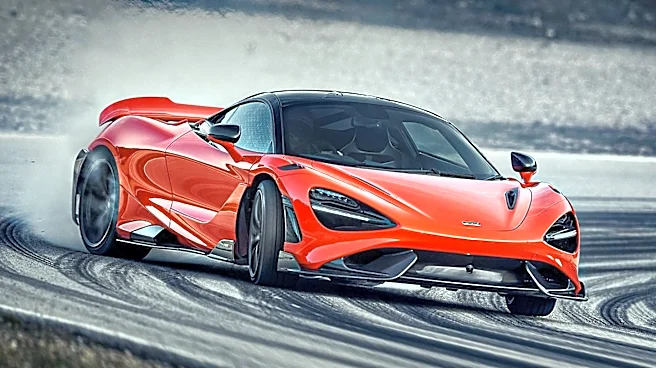
The McLaren F1 LM has been identified as one of the rarest cars ever produced, with only five customer examples built. This limited production run was specifically to commemorate McLaren's victory at the 1995 24 Hours of Le Mans. The F1 LM is a special
edition of the standard McLaren F1, featuring enhanced power from its naturally aspirated V12 engine and revised aerodynamics. It is also distinguished by its iconic Papaya Orange paint, a color deeply associated with McLaren's racing heritage. The car is currently considered one of the most desirable supercars globally due to its extreme rarity and performance pedigree. Other vehicles noted for their rarity include the Ferrari 250 GTO (36 built), the Rolls-Royce Boat Tail (3 built), and the Bugatti La Voiture Noire (1 built).
Why It's Important?
The inclusion of the McLaren F1 LM in the list of the world's rarest cars underscores the significant value placed on exclusivity and heritage within the automotive industry. For collectors and enthusiasts, vehicles like the F1 LM represent not just engineering marvels but also tangible pieces of racing history. The extreme scarcity of such models drives their market value to extraordinary levels, making them highly sought-after assets. This trend highlights a segment of the U.S. and global economy where luxury goods, particularly those with a strong historical narrative and limited availability, command premium prices. The F1 LM's status reinforces McLaren's brand as a producer of elite, high-performance vehicles, influencing its market position and appeal to a discerning clientele who value both performance and unparalleled exclusivity.
What's Next?
Given its status as one of the most desirable supercars, the McLaren F1 LM is expected to continue appreciating in value, particularly at high-profile auctions and private sales. Future transactions involving this model will likely set new benchmarks for classic and rare car valuations. McLaren, as a brand, will likely continue to leverage the legacy of vehicles like the F1 LM in its marketing and product development strategies, emphasizing its heritage of innovation and racing success. This could influence the design and limited production runs of future McLaren models, aiming to replicate the exclusivity and desirability of its predecessors. The ongoing demand for such rare automotive masterpieces suggests a sustained interest from ultra-high-net-worth individuals and specialized collectors.
Beyond the Headlines
The phenomenon of ultra-rare cars like the McLaren F1 LM extends beyond mere automotive enthusiasm; it touches upon broader themes of wealth preservation, investment, and cultural significance. These vehicles are often seen as alternative investments, offering returns that can rival or even surpass traditional financial assets. Their rarity also contributes to their cultural cachet, making them symbols of achievement and taste. The meticulous craftsmanship and engineering prowess required to produce such cars also highlight the pinnacle of automotive design and innovation. Furthermore, the stories behind these limited editions, such as the F1 LM's connection to the Le Mans victory, weave a narrative that enhances their allure, transforming them from mere machines into historical artifacts that embody a specific era of automotive excellence.