




What's Happening?
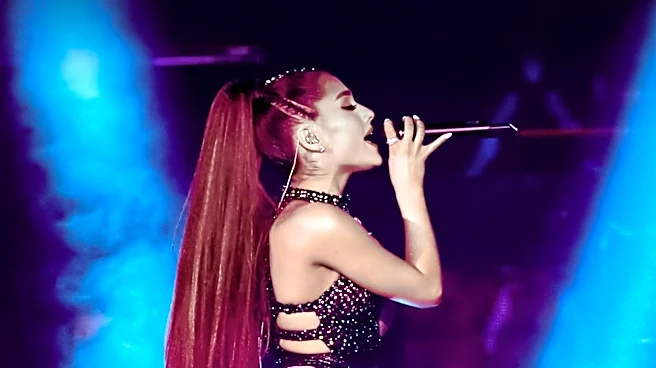
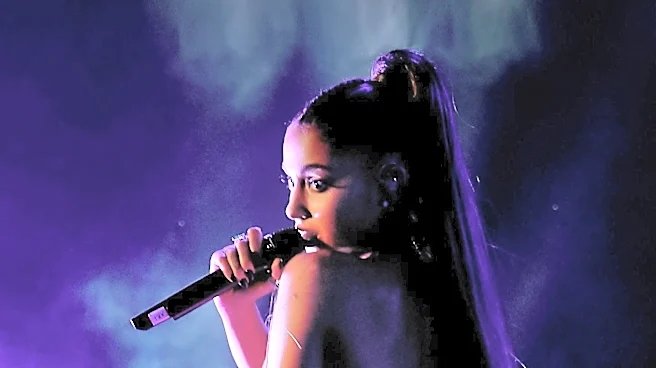
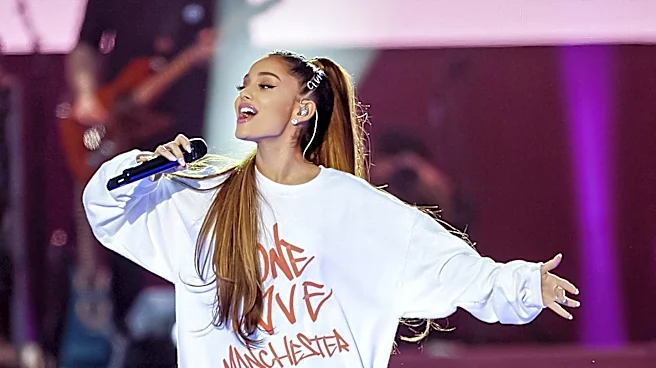
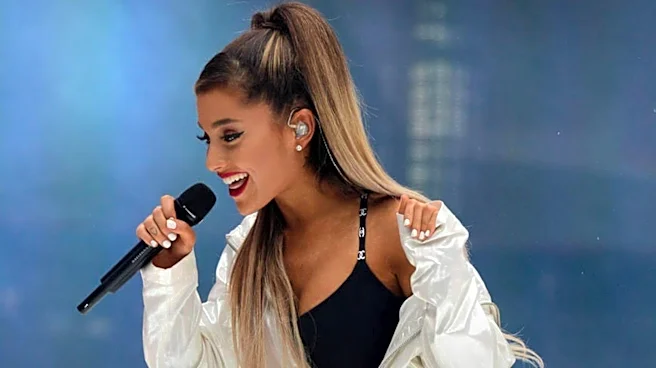
Ariana Grande has sparked rumors of rekindling her relationship with ex-boyfriend Ricky Álvarez through recent changes in the lyrics of her song 'Thank U, Next.' During her 'Eternal Sunshine' tour, Grande altered the lyrics multiple times, suggesting
a renewed connection with Álvarez. Originally, the lyrics about Álvarez were dismissive, but recent performances have included lines like 'we always find our way back.' This has led to speculation among fans and media about a possible romantic reunion. Relationship experts weigh in on the phenomenon of getting back with an ex, emphasizing the importance of self-reflection and growth for a successful rekindling.
Why It's Important?
The speculation surrounding Grande's personal life highlights the broader cultural fascination with celebrity relationships and their influence on public perceptions of romance. The discussion by relationship experts underscores the complexities of rekindling past relationships, which can resonate with many individuals who face similar situations. This narrative also reflects on the societal pressures and personal growth required to navigate such relationships successfully. The public's interest in Grande's personal life demonstrates the impact of celebrity culture on societal norms and personal decision-making.
What's Next?
As fans and media continue to speculate about Grande's relationship status, the singer's future public appearances and performances may provide further insights or confirmations. The ongoing tour could serve as a platform for Grande to address or clarify her personal life, either through her music or public statements. Additionally, the evolving narrative may influence how fans perceive her music and personal brand, potentially affecting her career trajectory and public image.
Beyond the Headlines
The situation invites a deeper examination of the cultural narratives surrounding relationships and the stigma often associated with returning to past partners. It challenges the notion of 'backsliding' and encourages a more nuanced understanding of personal growth and relationship dynamics. This discourse may contribute to shifting societal attitudes towards relationships, emphasizing the importance of personal development and mutual growth over rigid societal expectations.