




What's Happening?
The early 2000s witnessed a significant grunge revival, characterized by bands like The Hives and The Libertines, who infused the classic grunge sound with elements of punk and garage rock. This resurgence was part of a broader trend in alternative rock,
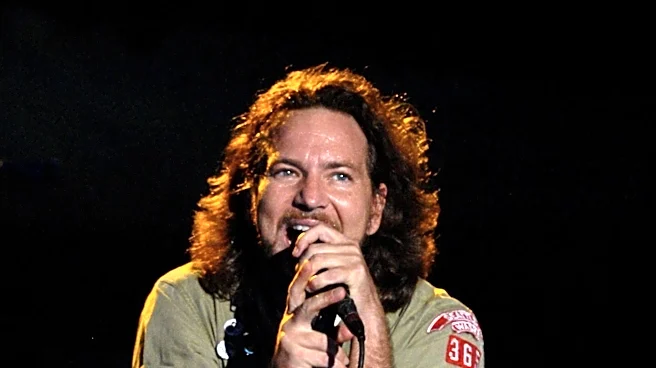
indicating a sustained interest in the raw, alternative ethos that defined the 1990s grunge movement. Pearl Jam, a prominent band from the original grunge era, continues to headline major festivals, such as the Ohana Festival, further demonstrating the enduring appeal of the genre. The Hives, with their album 'Veni, Vidi, Vicious' (2000), were noted for their energetic garage-rock revival sound, while The Libertines, with 'Up the Bracket' (2002), blended punk grit with rockabilly and UK psych. This period saw a re-evaluation and re-interpretation of grunge and garage rock influences, bringing them to a new generation of listeners.
Why It's Important?
This revival is important as it highlights the cyclical nature of musical trends and the lasting influence of genres like grunge and garage rock on the U.S. music industry and cultural landscape. The continued success of bands like Pearl Jam, alongside the emergence of new acts drawing from these styles, demonstrates a consistent market for alternative rock. This trend impacts record labels, music festivals, and streaming platforms, as they adapt to audience preferences for both established and revitalized sounds. For artists, it signifies that authenticity and raw energy can transcend fleeting trends, offering pathways for both legacy acts and newer bands to connect with audiences. The blending of genres also fosters innovation, pushing the boundaries of what is considered mainstream and influencing subsequent musical developments.
What's Next?
The ongoing presence of grunge and garage rock elements suggests a continued evolution of alternative rock. Future developments may include further genre fusions, as artists experiment with incorporating these sounds into contemporary music styles. Music festivals are likely to continue featuring a mix of established acts and newer bands influenced by these genres, catering to diverse audiences. The critical and commercial reception of such music will likely influence investment in similar artists and marketing strategies within the music industry. Additionally, the legacy of these genres may inspire documentaries, re-releases, and tribute events, further cementing their place in music history and potentially introducing them to even broader audiences.
Beyond the Headlines
Beyond the immediate musical trends, the grunge revival and the enduring popularity of its pioneers reflect deeper cultural sentiments. Grunge, with its emphasis on raw emotion and anti-establishment themes, often resonates during periods of social or political introspection. The revival could indicate a societal yearning for authenticity and a rejection of overly polished commercialism in music. Ethically, it raises questions about originality versus homage in art, and how new artists can draw inspiration from past movements while forging their own identity. Culturally, it reinforces the idea that music is a powerful vehicle for expressing collective moods and anxieties, and that certain sounds can become timeless symbols of particular eras or attitudes.