




What's Happening?
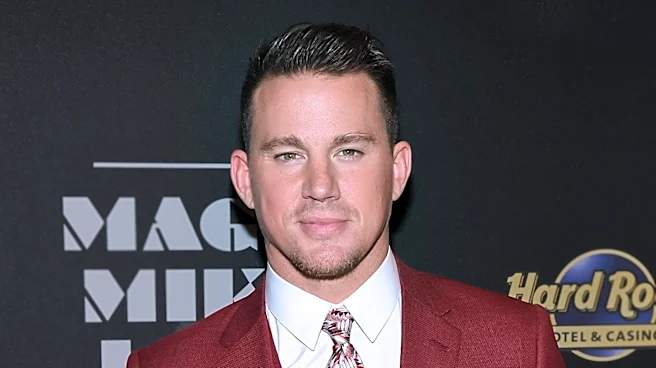
Actor Channing Tatum is facing rumors regarding a secret Instagram 'burner' account, identified as 'bidness_nonya1', which allegedly posted negative comments about his ex-fiancée Zoë Kravitz, singer Harry Styles, and praised Tatum himself, as well as actress
Ayo Edebiri. The account, which has since been deleted, reportedly had only one follower, Tatum's public account, leading to speculation. The controversy gained traction when the account commented on posts from the popular gossip account Deuxmoi, specifically targeting Kravitz and Styles. Tatum has publicly denied these allegations, stating, 'I truly can’t believe y’all think this is what I’m doing with my free time.' The source indicates that while the operator of the 'bidness_nonya1' account remains unknown, the fact that Tatum was perceived as someone who might engage in such behavior is notable.
Why It's Important?
This incident highlights the pervasive nature of social media and its potential impact on public figures' reputations. The rapid spread of rumors, even those based on circumstantial evidence like a single follower on a burner account, demonstrates the challenges celebrities face in managing their public image in the digital age. For actors like Channing Tatum, whose careers often rely on public perception and fan goodwill, such allegations, even if denied, can lead to scrutiny and affect their professional standing. The situation also underscores the broader issue of online anonymity and the ease with which individuals can spread unverified information, potentially causing harm to others. The public's quick assumption that Tatum might be behind the account suggests a societal perception of celebrity behavior that can be both critical and quick to judge.
What's Next?
Following Channing Tatum's denial, the immediate focus will likely shift to how the public and media react to his statement. While the 'bidness_nonya1' account has been deleted, the rumors and discussions surrounding it may continue to circulate on social media platforms. It remains to be seen if any further evidence or clarification regarding the account's true operator will emerge. For Tatum, the incident could prompt a more cautious approach to his online presence and interactions. The broader entertainment industry may also continue to grapple with the implications of burner accounts and anonymous online commentary, potentially leading to increased awareness campaigns or stricter guidelines for public figures regarding their digital conduct.
Beyond the Headlines
The 'burner account' phenomenon, as exemplified by this situation, delves into deeper psychological and ethical considerations. It raises questions about authenticity and sincerity in public personas, especially when individuals are perceived to be engaging in covert online activities. The incident also touches upon the parasocial relationships between celebrities and their fans, where perceived slights or negative comments can lead to significant backlash. Ethically, the use of anonymous accounts to criticize others or self-aggrandize raises concerns about integrity and transparency. Culturally, it reflects a growing trend of online gossip and speculation influencing public discourse, often without concrete evidence. This event, regardless of its veracity, contributes to the ongoing conversation about digital responsibility and the blurred lines between public and private lives in the age of social media.