






What's Happening?
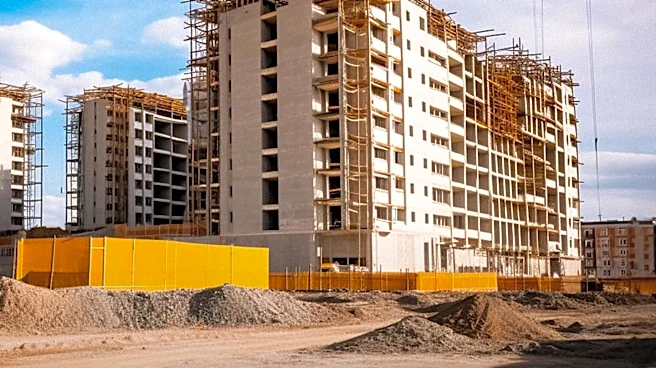
Yardi Matrix has revised its forecast for multifamily housing completions in 2026, increasing the estimate by 4.8% compared to previous projections. This adjustment, detailed in a new bulletin, is primarily due to updated data on properties currently
under construction and those recently completed, rather than a fundamental shift in the overall market outlook. The report indicates that a mid-2026 surge in longer-term interest rates and inflation contributed to a deceleration in new development momentum as the year progressed. Looking ahead to 2027, Yardi Matrix anticipates a decline in new supply, as the number of units under construction and in pre-lease continues to decrease. However, new supply is expected to rebound in 2028 relative to 2027 levels, accounting for typical completion timelines. The long-term forecast assumes sustained, moderate economic growth that will support household formation and the absorption of new multifamily units, despite persistent fiscal deficits and elevated interest rates that may suppress valuations.
Why It's Important?
This updated forecast from Yardi Matrix provides crucial insights for investors, developers, and property managers in the U.S. multifamily housing sector. The upward revision for 2026 completions suggests a stronger immediate supply influx than previously expected, which could influence rental rates and vacancy levels in various markets. The anticipated dip in new supply for 2027, followed by a recovery in 2028, signals a potential cyclical pattern that stakeholders need to consider for strategic planning. Elevated interest rates continue to be a significant factor, impacting multifamily valuations even as income growth and employment trends remain supportive. Understanding these supply dynamics is essential for making informed investment decisions, assessing market risks, and identifying opportunities in a sector that is sensitive to economic shifts and financing costs. The report underscores the ongoing need for careful market analysis in a fluctuating economic environment.
What's Next?
The multifamily housing market is expected to navigate a period of fluctuating supply in the coming years. Following the increased completions in 2026, stakeholders should prepare for a potential tightening of new supply in 2027, which could lead to increased competition for existing units or upward pressure on rents in certain submarkets. The subsequent increase in supply projected for 2028 suggests a return to more normalized development cycles. Developers will likely continue to monitor interest rate trends and inflation closely, as these factors directly influence the feasibility and profitability of new projects. Investors will need to assess how these supply shifts, combined with ongoing household formation and economic activity, will impact asset valuations and rental income streams. The market will also be watching for any policy changes related to housing development or financing that could further influence these trends.
Beyond the Headlines
The nuanced shifts in multifamily housing supply reflect broader economic currents impacting the U.S. real estate market. The interplay between interest rates, inflation, and construction momentum highlights the sensitivity of development pipelines to macroeconomic conditions. The 'steady but unspectacular growth' projected by Yardi Matrix suggests a mature market where incremental gains are more likely than rapid expansion. This environment could favor well-capitalized developers and investors who can navigate higher financing costs and adapt to changing demand patterns. Furthermore, the emphasis on household formation as a driver for absorption underscores demographic trends and the ongoing need for housing, even as supply fluctuates. The report implicitly points to the importance of market intelligence tools like Yardi Matrix for stakeholders seeking to mitigate risks and capitalize on opportunities in an increasingly complex commercial real estate landscape.