



What's Happening?
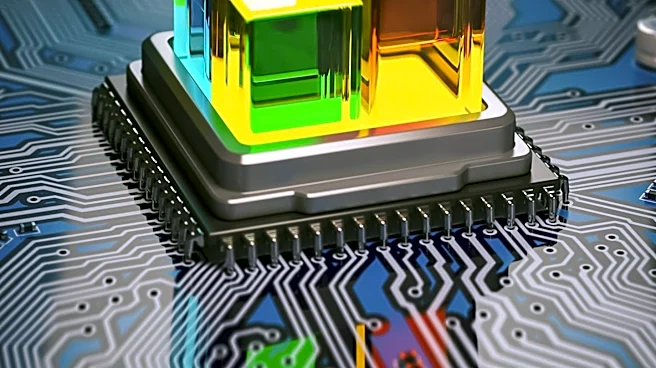
Infineon Technologies is at the forefront of developing advanced Battery Management Systems (BMS) through its specialized integrated circuits (ICs). These ICs are designed to monitor and control lithium-ion (Li-ion) batteries across a wide array of applications,
including automotive, industrial, and consumer products. The company's TLE9015DQU Communication IC and TLE9012DQU multi-channel battery monitoring and balancing system IC are key components in ensuring efficient and safe power delivery from Li-ion batteries. The TLE9012DQU, for instance, can monitor and balance up to 12 cells with high accuracy and includes essential diagnostic tools to guarantee personnel safety. These ICs are engineered to meet stringent functional safety requirements, up to ASIL-D, and are ISO 26262-compliant, making them suitable for critical applications like electric cars, trucks, e-bikes, and energy storage systems. Infineon's focus is on providing comprehensive solutions that integrate hardware and software, prioritizing both safety and functionality in battery management.
Why It's Important?
The development of highly accurate and safety-compliant battery management ICs by Infineon is crucial for the continued growth and reliability of the electric vehicle (EV) and energy storage sectors in the U.S. and globally. As Li-ion batteries become more prevalent in everything from personal electronics to large-scale industrial machinery and automotive applications, the need for robust and safe management systems intensifies. These advanced ICs help prevent critical failures such as overheating or overcharging, which can lead to fires or reduced battery lifespan. By ensuring precise monitoring and balancing, Infineon's technology contributes to extending battery life, improving performance, and, most importantly, enhancing the safety of battery-powered devices and vehicles. This is particularly significant for the U.S. automotive industry's transition to EVs and for the broader energy sector's adoption of renewable energy storage solutions, where reliability and safety are paramount for consumer trust and regulatory compliance.
What's Next?
Infineon is expected to continue innovating in the field of battery management technology, with a focus on developing ICs that can support even higher cell counts and more complex battery architectures. The ongoing demand for increased energy density and faster charging capabilities in Li-ion batteries will drive further advancements in monitoring accuracy, balancing efficiency, and diagnostic capabilities. Future developments may also include enhanced integration with artificial intelligence for predictive maintenance and optimized battery performance. As regulatory standards for battery safety become more stringent, Infineon's commitment to ASIL-D compliance and ISO 26262 standards will likely position them as a key player in shaping the next generation of battery management solutions. The company's efforts will directly influence the safety and efficiency of upcoming electric vehicles and portable electronic devices, impacting consumer adoption and industrial applications.
Beyond the Headlines
The continuous advancement in battery management ICs, as exemplified by Infineon's work, has profound implications beyond immediate safety and efficiency. It underpins the broader societal shift towards electrification and sustainable energy. Reliable and safe battery technology is fundamental to reducing carbon emissions through widespread EV adoption and integrating renewable energy sources into the grid. The ethical dimension involves ensuring that these technologies are accessible and affordable, preventing a digital or energy divide. Legally, the robust safety features of these ICs can help mitigate product liability risks for manufacturers and foster consumer confidence. Culturally, as battery technology becomes more sophisticated and reliable, it will further normalize the use of electric vehicles and portable electronic devices, influencing daily routines and infrastructure development. The long-term shift points towards a future where energy storage is not only efficient but also inherently safe and seamlessly integrated into various aspects of modern life.