






What's Happening?
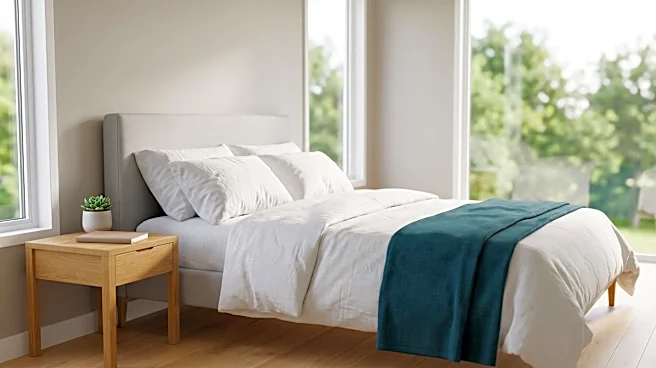
Many individuals approaching retirement are considering renting out spare bedrooms in their homes to generate income, particularly to students from nearby hospitals or nursing schools. This strategy allows homeowners to supplement their retirement savings,
with some renting two rooms for a combined $1,800 per month. The tax code generally supports this arrangement, allowing the homeowner to continue living in the residence and benefit from the $250,000 single-filer exclusion on capital gains when they eventually sell the property. This approach can significantly reduce the amount of invested assets needed for retirement, with two rented rooms potentially replacing the income equivalent of approximately $540,000 in invested assets. However, while the gain from the sale of the home remains largely sheltered, a specific tax implication arises at closing that many homeowner-landlords overlook. This involves the recapture of depreciation taken on the rented portion of the home.
Why It's Important?
This tax detail is crucial for homeowners utilizing their primary residence for rental income, as it can lead to an unexpected tax bill at the time of sale. The Internal Revenue Service (IRS) requires the recapture of depreciation taken on the rental portion of the property after May 6, 1997, meaning this amount cannot be excluded from taxable income. For instance, after ten years, this could amount to approximately $27,273 in depreciation, taxed at up to 25%, resulting in a tax liability of about $6,818. This recapture also reduces the home's basis, which can increase the reported gain and potentially push it over the $250,000 exclusion cap, even if the original gain would have fit. This impacts financial planning for retirees who rely on this income stream and the eventual sale of their home, highlighting the need for careful consideration of tax implications beyond immediate income generation.
What's Next?
Homeowners planning to rent out spare rooms should factor in the depreciation recapture tax from the outset. It is advisable to set aside funds, approximately $7,000 in the example provided, to cover this potential tax bill at the time of sale. The tax code specifies that depreciation taken after May 6, 1997, is subject to recapture, regardless of whether the deduction was actually claimed. This means even if a homeowner chooses not to deduct depreciation annually, the IRS will still apply recapture to the allowable depreciation, triggering the tax. Furthermore, the setup of the rental space is critical; a separate unit, such as a basement apartment with its own entrance, would be treated differently, requiring allocation and making the gain on that portion taxable. Homeowners should ensure rented rooms remain within the main living space without separate entrances or kitchens to maintain the primary residence exclusion benefits.
Beyond the Headlines
The scenario of renting out spare bedrooms touches upon broader themes of retirement planning, housing affordability, and the evolving use of residential properties. As housing costs rise and traditional retirement savings may fall short, leveraging home equity through rental income becomes an attractive option for many seniors. This trend also reflects a shift in how individuals view their homes—not just as personal residences but as potential income-generating assets. The tax complexities, particularly regarding depreciation recapture, underscore the need for comprehensive financial literacy and professional tax advice for homeowners engaging in such arrangements. It highlights a tension between encouraging efficient use of housing stock and the intricacies of tax law, which can present unforeseen challenges for those seeking to maximize their assets in retirement.