




What's Happening?
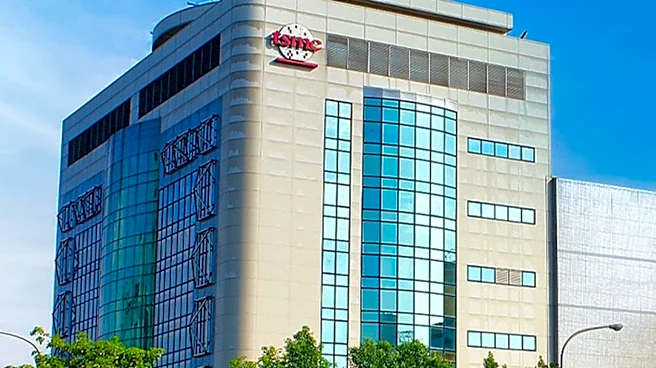
Taiwan Semiconductor Manufacturing (TSMC) shares climbed 1.84% to $348.65 on Friday, November 27, following a U.S. tariff proposal that appears to exempt semiconductor articles. The U.S. Trade Representative had initiated a Section 301 probe into Taiwan's
practices regarding structural excess capacity, proposing duties of up to 15%, net of existing rates. However, the Federal Register notice from Taiwan explicitly lists semiconductor articles among the exempted goods. TechTimes' interpretation of the annex further confirmed that computers, smartphones, and semiconductors are exempt outright from these proposed tariffs. While these key technology components are spared, other items such as power supplies, lithium-ion batteries, fans, and printers remain exposed to potential duties. The notice also includes a fallback rate of up to 25% if consultations fail, with comments due by January 5, 2027, and a hearing scheduled for January 25.
Why It's Important?
The exemption of semiconductors from the proposed U.S. tariffs is highly significant for the technology industry and the broader U.S. economy. Semiconductors are foundational components for virtually all modern electronic devices, and imposing tariffs on them would have substantially increased manufacturing costs for U.S. companies, potentially leading to higher consumer prices and reduced competitiveness. By excluding chips, the U.S. government signals its intent to protect critical supply chains and support the domestic technology sector, which heavily relies on imported semiconductors for production. This decision helps maintain stability in the supply of essential components for industries ranging from consumer electronics to automotive and defense. The stock market's positive reaction, with TSMC shares climbing, reflects investor confidence that the cost of doing business for U.S. tech firms will not be unduly burdened by these specific trade measures, thereby safeguarding profit margins and investment in innovation.
What's Next?
The U.S. Trade Representative's proposal is not yet final. Comments on the proposed tariffs are due by January 5, 2027, and a hearing is scheduled for January 25. During this period, stakeholders, including industry groups and affected businesses, will have the opportunity to provide feedback, which could influence the final list of exempted goods or the tariff rates. Taiwan's cabinet spokesperson has emphasized that Washington must still hold these hearings before any final decisions are made. While semiconductors currently appear to be exempt, the situation for other components like power supplies and batteries remains uncertain. The outcome of these consultations and hearings will determine the final scope and impact of the tariffs, potentially affecting the margins of server builders and influencing future wafer pricing talks if duties are imposed on related parts.
Beyond the Headlines
This tariff decision highlights the complex interplay between trade policy, national security, and economic competitiveness. The U.S. government's careful approach to exempting semiconductors, despite broader concerns about trade practices, underscores the strategic importance of these components. It reflects a recognition that while addressing trade imbalances is a goal, disrupting the semiconductor supply chain could have severe repercussions for U.S. technological leadership and economic stability. This nuanced policy suggests a prioritization of maintaining access to critical technologies over a blanket application of tariffs. It also illustrates the influence of industry lobbying and the detailed analysis required to craft trade policies that support national interests without inadvertently harming key domestic sectors. The ongoing dialogue and scheduled hearings indicate a commitment to a deliberative process in shaping future trade relations.