

What's Happening?
Connie Murphy, a Pacific Palisades native and fitness coach with over 20 years of experience, is advocating for micro-workouts as an effective way to integrate exercise into busy daily routines. As people settle back into routines during the fall and holiday
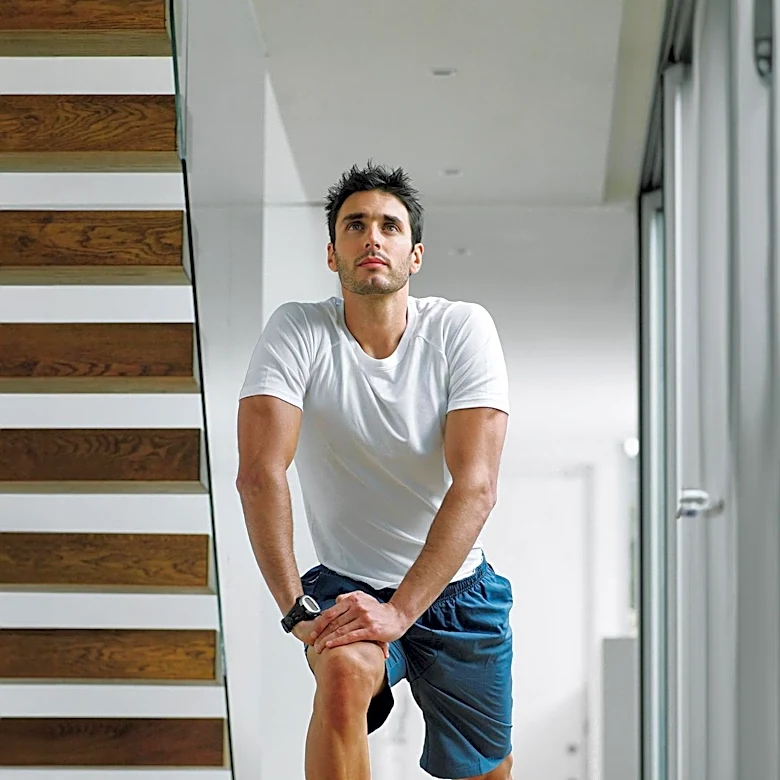
season, Murphy suggests that short bursts of cardio or strength exercises, ranging from 20 seconds to 10 minutes, can offer significant health benefits. She emphasizes that these micro-workouts do not require fancy equipment and can be performed multiple times throughout the day. Murphy highlights that even brief periods of movement can improve cardiovascular fitness, build and maintain strength, and help with blood sugar control, insulin sensitivity, and overall metabolic health. She provides examples of easy cardio micro-workouts, such as marching or running in place with high knees for three minutes, and strength training micro-workouts, like two minutes of air squats or reverse lunges. Murphy's approach encourages individuals to incorporate exercise into existing daily activities, such as doing counter push-ups while waiting for coffee or squats while waiting for the microwave.
Why It's Important?
This approach to micro-workouts is important for addressing the widespread challenge of maintaining physical activity amidst increasingly busy lifestyles in the U.S. Many individuals struggle to commit to traditional long workout sessions, leading to sedentary habits and associated health risks. Connie Murphy's advocacy for short, flexible exercise bursts offers a practical and accessible solution, making fitness less daunting and more achievable for the average American. By demonstrating that 'something is always better than nothing,' she helps to dismantle the psychological barrier that often prevents people from exercising if they cannot dedicate a full hour. This shift in perspective can lead to improved public health outcomes by encouraging consistent movement, even in small increments. For the fitness industry, it highlights a growing demand for adaptable and time-efficient exercise solutions, potentially influencing the development of new programs and tools that cater to this need. It also underscores the value of experienced fitness professionals who can provide realistic and effective guidance for diverse populations.
What's Next?
Connie Murphy's recommendations suggest that individuals can immediately begin incorporating these micro-workouts into their daily lives without any special preparation or equipment. The examples provided, such as two-minute stair walks or five-minute circuits of jumping jacks and squats, offer clear starting points. The emphasis on modifying intensity means that these workouts are accessible to people of all fitness levels. Murphy also notes that these micro-workouts are not meant to replace longer sessions but to supplement them on days when time is limited. This flexible approach could lead to a more consistent exercise habit for many. The broader impact could be a gradual cultural shift where short bursts of physical activity become a normalized part of daily routines, similar to brushing teeth or making coffee. This could also inspire other fitness professionals to develop and promote similar accessible exercise strategies, further integrating physical activity into the fabric of everyday life.
Beyond the Headlines
The deeper implications of promoting micro-workouts touch upon the psychological and societal aspects of health and well-being. By reframing exercise as something that doesn't require a significant time commitment or specialized environment, it reduces the pressure and guilt often associated with fitness. This can foster a more positive relationship with physical activity, making it feel less like a chore and more like an integral, manageable part of self-care. Ethically, this approach promotes inclusivity, as it caters to individuals who may face barriers to traditional gym memberships or long workout times due to financial constraints, time limitations, or physical conditions. Culturally, it challenges the 'all or nothing' mentality often prevalent in fitness, encouraging a more pragmatic and sustainable approach to health. This could lead to a more active and healthier population overall, with fewer individuals feeling overwhelmed by the demands of maintaining physical fitness, ultimately contributing to a more resilient and energetic society.