




What's Happening?
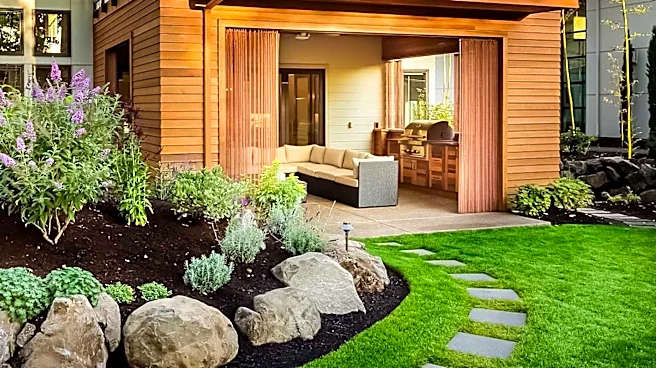
Outdoor living spaces in the U.S. are undergoing a significant transformation, moving beyond basic patios to become intentional, comfortable, and fully integrated extensions of the home. The focus is now on creating functional zones that support everyday
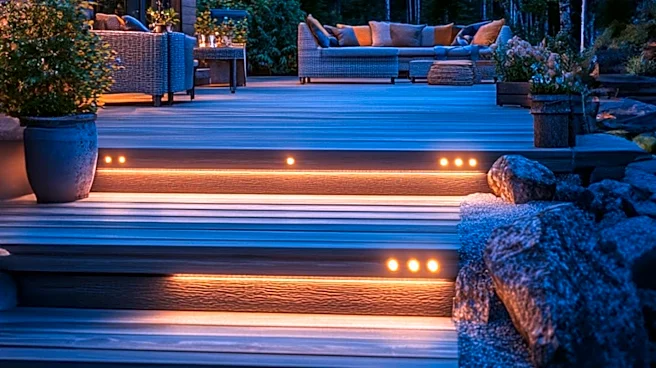
activities, such as morning coffee, family dinners, or quiet evenings. Key design principles include dividing yards into distinct zones for dining, relaxing, and cooking, using elements like rugs, different flooring, or planters to define these areas. Layered shade solutions, incorporating pergolas, awnings, and movable umbrellas, are crucial for daytime usability. Seating is prioritized for comfort and weather resistance, with a mix of types like sofas, upright chairs, and versatile benches. Layered lighting, using string lights, path lights, and lanterns, extends the usability of these spaces into the evenings. Fire features, such as fire pits or outdoor fireplaces, are becoming central gathering points. Even small yards are being optimized with multi-purpose furniture and fewer, larger plants to avoid clutter. The overall trend emphasizes planning around specific uses to ensure these spaces are utilized rather than ignored.
Why It's Important?
This evolution in outdoor living space design reflects a growing consumer demand for enhanced home functionality and a desire to maximize property value and lifestyle quality. For U.S. industries, this trend translates into increased opportunities for manufacturers and retailers of outdoor furniture, lighting, heating elements, and landscaping materials. The emphasis on durability and weather resistance drives innovation in material science, particularly for outdoor fabrics and construction components. The demand for professional design and installation services for complex outdoor layouts, including custom decks and covered patios, is also on the rise, benefiting contractors and landscape architects. This shift indicates that homeowners are willing to invest more in their outdoor environments, viewing them as essential living areas rather than mere recreational spots. The focus on creating comfortable, usable spaces year-round also supports a broader lifestyle trend of spending more time outdoors, which can have positive impacts on well-being and social interaction.
What's Next?
The future of outdoor living spaces will likely see further integration of smart technology, such as automated lighting, climate control, and entertainment systems, enhancing convenience and user experience. There will be a continued push for sustainable and eco-friendly materials, with a focus on recycled content and low-maintenance options. Modular and flexible furniture designs will become more prevalent, allowing homeowners to easily reconfigure their spaces for different activities or seasons. The concept of 'biophilic design,' which integrates natural elements and views into living spaces, will increasingly influence outdoor area planning, aiming to strengthen the connection between residents and nature. We can also anticipate a rise in demand for specialized outdoor kitchens and dining areas, equipped with advanced appliances and prep spaces. As outdoor living becomes more sophisticated, there may be a greater need for professional consultation to navigate complex design, material selection, and regulatory considerations, especially for combined deck and patio projects.
Beyond the Headlines
The transformation of outdoor living spaces signifies a deeper cultural shift towards a more holistic view of home and lifestyle. It reflects a desire for greater connection with nature and an emphasis on creating environments that support well-being and social interaction. Ethically, this trend encourages responsible consumption through the selection of durable, long-lasting materials and thoughtful design that minimizes waste. Legally, as outdoor structures become more elaborate and permanent, there may be increased scrutiny on building codes, permits, and zoning regulations, particularly in densely populated areas. Culturally, these enhanced outdoor spaces foster a sense of community and provide venues for social gatherings, strengthening family bonds and neighborhood ties. The psychological benefits of having access to comfortable outdoor environments, including stress reduction and improved mood, are also a significant, albeit less obvious, implication. This evolution suggests a long-term shift in how Americans perceive and invest in their residential properties, prioritizing functional beauty and year-round usability.