





What's Happening?
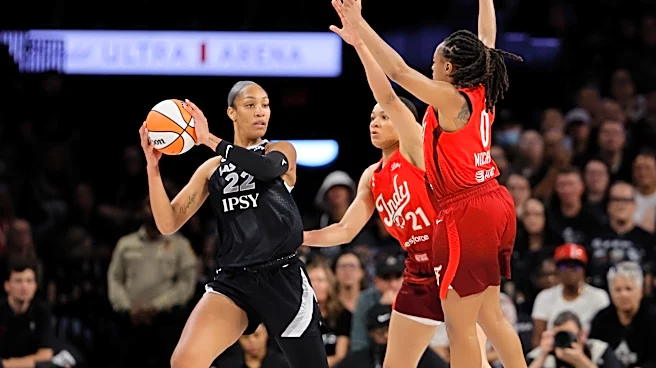
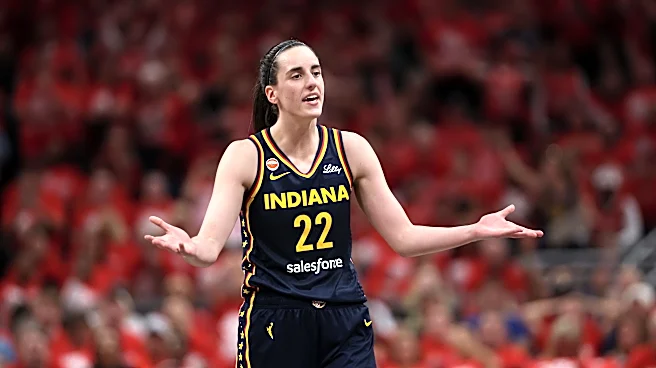
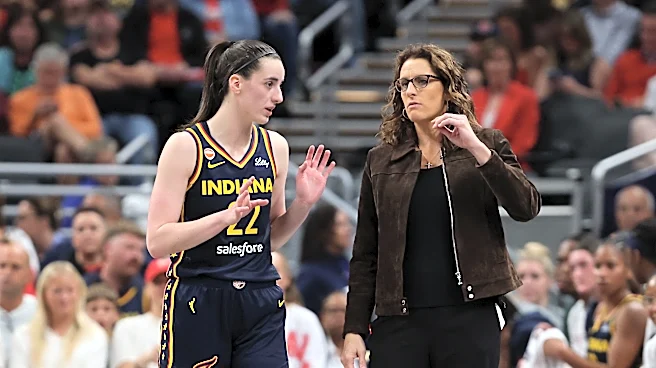
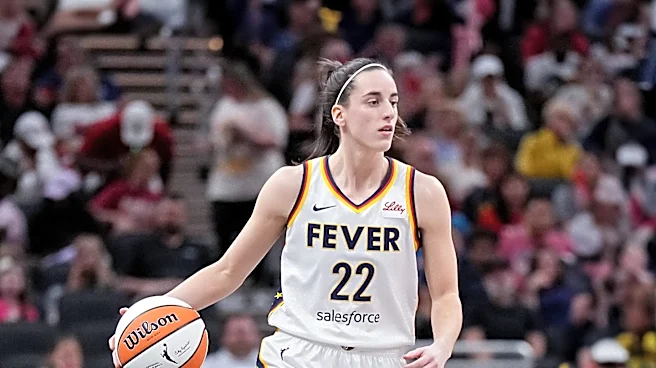
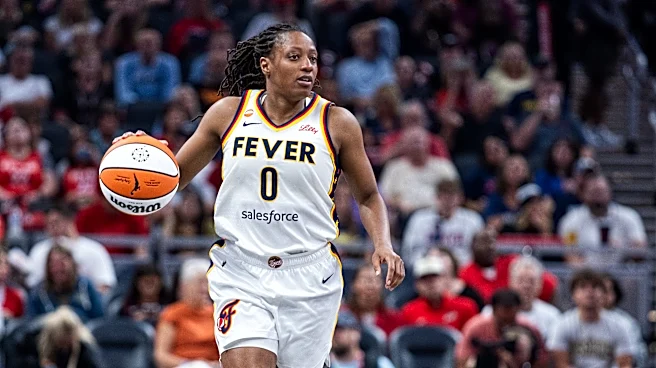
Sports commentator Jason Whitlock is urging Caitlin Clark to publicly defend her Indiana Fever teammates, including Kelsey Mitchell, Aliyah Boston, Sophie Cunningham, and Lexie Hull, from negative fan reactions. Whitlock argues that a segment of Clark's
fanbase, which he refers to as a 'cult,' has been directing frustration and criticism towards her teammates. He believes Clark needs to draw a clear line and make it known that her teammates are off-limits. Whitlock's comments come amidst reports of Fever players, particularly Kelsey Mitchell, experiencing online abuse and pressure. Mitchell recently stated that playing for fans who 'may or may not like you is hard' and revealed the extent of the online hate she receives. Whitlock suggests that Clark's more forceful intervention could help foster goodwill within the locker room and potentially influence player retention, such as Kelsey Mitchell's decision in free agency.
Why It's Important?
This situation highlights the growing complexities and pressures faced by athletes in the age of social media, particularly within the WNBA, which has seen a significant surge in attention due to players like Caitlin Clark. The dynamic between a star player's individual popularity and the collective team environment is under scrutiny. If a prominent player's fanbase creates a hostile environment for her teammates, it could negatively impact team cohesion, player morale, and future recruitment efforts. The potential departure of key players like Kelsey Mitchell due to fan-related issues could significantly hinder the Indiana Fever's ability to build a competitive team. This also raises questions about the responsibility of public figures to manage the behavior of their most ardent supporters and the broader implications for sports culture and fan engagement.
What's Next?
The immediate future will likely involve continued discussion and debate around Caitlin Clark's role in addressing her fanbase's behavior. While Clark has previously defended members of the Fever organization, Whitlock's challenge specifically calls for her to protect her teammates from direct fan attacks. It remains to be seen if Clark will issue a more direct statement or take action to address the concerns raised by Whitlock and her teammates. The upcoming free agency period for players like Kelsey Mitchell will be a critical test, as her decision could be influenced by the team's internal culture and fan environment. The WNBA and individual teams may also need to consider how to better support players facing online harassment and manage the impact of highly passionate, and sometimes aggressive, fan bases.
Beyond the Headlines
This issue extends beyond individual player dynamics, touching upon broader themes of fan culture, online toxicity, and the evolving landscape of professional sports. The intense scrutiny and sometimes aggressive behavior from a segment of fans, particularly towards teammates of a breakout star, can create an unsustainable environment. This raises ethical questions about the boundaries of fan support and the mental well-being of athletes. The situation also underscores the power and potential pitfalls of social media in shaping public perception and influencing team dynamics. It could prompt a wider conversation within sports leagues about implementing clearer guidelines or support systems for players dealing with online harassment, and how to cultivate a more respectful and inclusive fan culture.