

What's Happening?
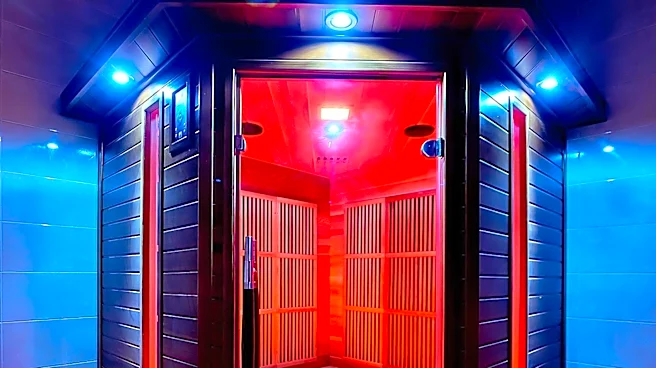
KAI Zao, a Hoshino Resorts property, has unveiled a new wellness area on its top floor, designed to offer guests a deep restoration experience. The area features an authentic sauna maintained at approximately 80°C, providing a tranquil, dimly lit space
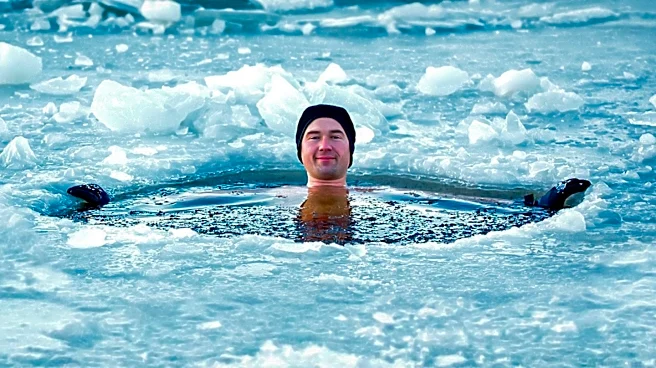
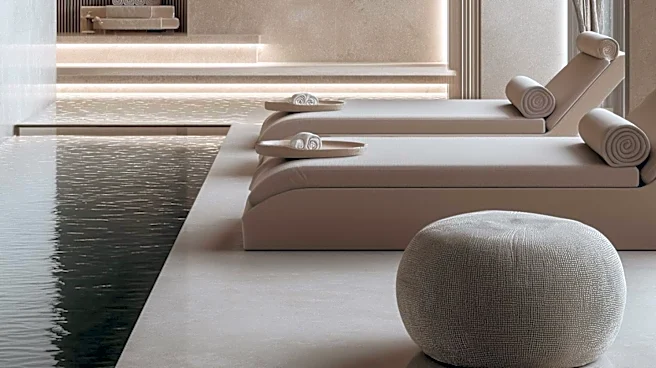
for deep sweating. Complementing the sauna is a cold plunge pool, intended to firm the body and enhance a refreshing sense of liberation after warming up. The wellness area also includes an indoor relaxation space and a rooftop garden with an open-air whirlpool bath. This loop-style design allows guests to move freely between these facilities, aiming to achieve a personal state of mindful clarity. The facilities are exclusively available to overnight guests and require swimwear for use in the sauna, cold plunge pool, and rooftop whirlpool bath, which are mixed-gender shared areas.
Why It's Important?
The introduction of this comprehensive wellness area by KAI Zao reflects a growing trend in the hospitality industry to cater to guests' increasing demand for health and wellness experiences. By offering facilities like saunas and cold plunge pools, the resort aims to attract a demographic that prioritizes self-care and holistic well-being during their travels. This move can enhance the resort's competitive edge, providing a unique selling proposition that differentiates it from other accommodations. For the broader tourism and hospitality sector, it signals the importance of integrating wellness amenities to meet evolving consumer preferences. The emphasis on 'deep restoration' and 'mindful clarity' aligns with contemporary wellness philosophies, potentially drawing guests seeking therapeutic and rejuvenating stays, thereby boosting occupancy and revenue in the wellness tourism segment.
What's Next?
The success of KAI Zao's wellness area may encourage other resorts and hotels, particularly those in the luxury and boutique segments, to invest in similar facilities. This could lead to a wider adoption of saunas, cold plunge pools, and integrated wellness circuits within the hospitality industry. There might also be an increase in specialized wellness packages and retreats offered by resorts, further capitalizing on the demand for health-focused travel. As more properties incorporate these amenities, there could be a push for standardization in terms of guest experience, safety protocols, and environmental sustainability. The trend could also influence architectural and design choices in new hotel constructions, with a greater emphasis on creating dedicated, serene spaces for guest well-being.
Beyond the Headlines
The integration of wellness facilities like saunas and cold plunges into resort offerings speaks to a deeper societal shift towards prioritizing self-care and holistic health. It reflects a recognition that travel is not just about leisure but also about rejuvenation and personal growth. This trend could contribute to a broader cultural acceptance and normalization of practices that were once considered niche or alternative. From a psychological perspective, providing spaces for 'mindful clarity' and 'deep restoration' addresses the increasing stress levels in modern life, offering guests a tangible way to disconnect and recharge. Ethically, it raises questions about accessibility and affordability of such wellness experiences, as they often cater to a higher-end market. However, it also sets a precedent for what constitutes a 'complete' hospitality experience in the 21st century.