
What's Happening?
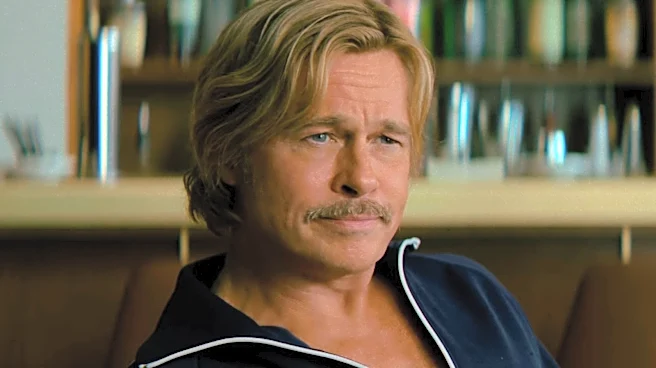
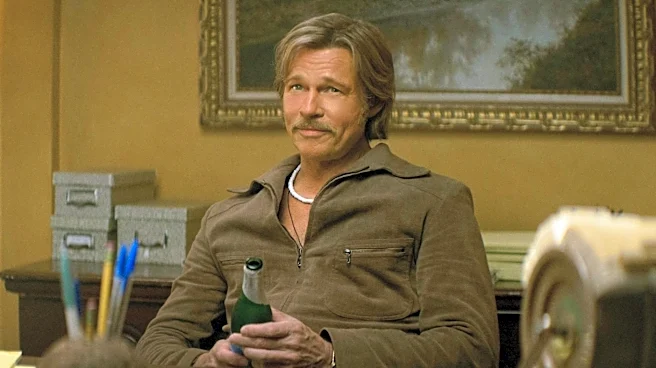
Director David Fincher has publicly defended the use of artificial intelligence (AI) in his latest film, 'The Further Mis-Adventures of Cliff Booth,' a sequel to 'Once Upon a Time… In Hollywood.' The film, which is set to premiere on Netflix on December
23, has drawn criticism from some viewers and critics who allege the prominent use of generative AI. Fincher, in an interview with the Los Angeles Times, stated, “I’m not a Luddite, so I don’t fear the unknown.” He questioned the resistance to new technology in filmmaking, comparing it to the long history of painting and asking why a relatively young art form like cinema should cease iterating. Fincher emphasized that AI tools exist and questioned why they should not be utilized. This stance comes as several fans have expressed disappointment on social media, with one viewer claiming to have been 'gutted' by the film's apparent AI usage.
Why It's Important?
Fincher's defense of AI in a high-profile film like 'The Further Mis-Adventures of Cliff Booth' highlights a growing debate within the entertainment industry regarding the adoption of generative AI. This development is significant because it involves a renowned director and a major streaming platform, Netflix, which has reportedly used AI in numerous productions. The controversy underscores the tension between technological advancement and artistic integrity, raising questions about the future of filmmaking and the role of human creativity. For U.S. industries, particularly Hollywood, the widespread integration of AI could lead to shifts in production workflows, job roles, and creative processes. While proponents like Fincher see AI as an evolutionary tool, critics fear it could diminish the quality of cinematic art and potentially displace human artists. The public's reaction to AI-generated content in films will likely influence future investment and ethical guidelines within the industry.
What's Next?
The debate surrounding AI in filmmaking is expected to intensify as more high-profile productions incorporate the technology. 'The Further Mis-Adventures of Cliff Booth' will premiere on Netflix on December 23, and its reception will likely serve as a barometer for audience acceptance of AI-enhanced cinema. The film's performance and critical reviews could influence how other directors and studios approach AI integration in their projects. Furthermore, the ongoing discussion may prompt industry bodies and unions to establish clearer guidelines or regulations regarding AI usage, particularly concerning intellectual property, artist compensation, and ethical considerations. The entertainment industry will likely continue to grapple with balancing innovation with the preservation of traditional artistic methods, potentially leading to new standards for transparency in film production regarding AI contributions.
Beyond the Headlines
The controversy surrounding AI in 'The Further Mis-Adventures of Cliff Booth' extends beyond mere technological adoption; it touches upon deeper philosophical questions about the nature of art and authorship. The use of generative AI challenges traditional notions of creativity, prompting a re-evaluation of what constitutes 'human' art. Ethically, concerns arise about the potential for AI to mimic or replace human artistic expression, leading to debates about authenticity and the value of human labor in creative fields. Legally, issues of copyright and ownership for AI-generated content are still largely undefined, creating a complex landscape for creators and studios. Culturally, the public's perception of AI in art could shift, potentially leading to a bifurcation between 'human-made' and 'AI-assisted' works, each with its own perceived value and audience. This development could trigger long-term shifts in how art is produced, consumed, and appreciated.