







What's Happening?
Intel is entering the handheld gaming market with its new Arc G-Series graphics brand, claiming a 42% average performance advantage over AMD’s Ryzen Z2 Extreme chip, which currently powers most Windows handheld gaming PCs. This claim is based on Intel’s
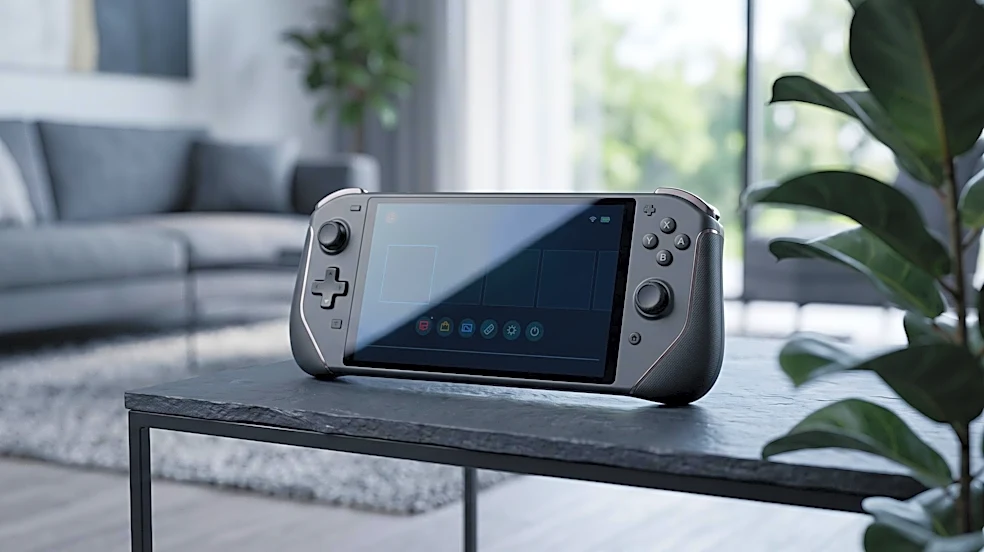
internal 36-game test suite. The Arc G-Series is already integrated into shipping products, including MSI’s Claw 8 EX AI+ and Acer’s newly unveiled Predator Atlas 7. Intel's Arc G-Series processors are designed for handheld gaming, pairing existing Core Ultra mobile processors with Arc graphics optimized for the thermal and battery constraints of portable devices. The lineup includes a base Arc G3 and a higher-performance Arc G3 Extreme variant. Intel also highlights an 'Endurance mode' that significantly extends battery life, with Team Fortress 2 reportedly running for nearly 12 hours on a single charge.
Why It's Important?
This aggressive entry by Intel marks the first significant challenge to AMD's near-monopoly in the x86 handheld gaming PC category since its inception. For years, AMD's Ryzen Z-series APUs have been the dominant silicon in devices like the Steam Deck, ROG Ally, and Lenovo Legion Go. Intel's move introduces a new competitive dynamic, potentially offering consumers more choice and driving innovation in performance, battery life, and pricing. The claimed 42% performance lead, while subject to independent verification, could shift market share and influence future product development across the industry. The emphasis on 'Endurance mode' also suggests a strategic focus on battery life, a critical factor for handheld devices, which could appeal to a broader segment of gamers who prioritize longer playtimes over peak performance. This competition could lead to more advanced and affordable handheld gaming options for U.S. consumers.
What's Next?
The immediate next step will be independent reviews and benchmarks of the Intel Arc G-Series handhelds, particularly the MSI Claw 8 EX AI+ and Acer Predator Atlas 7. Hardware reviewers will aim to verify Intel's 42% performance claim and assess real-world battery life, driver stability, and overall gaming experience. AMD is expected to respond with its next-generation Ryzen Z3 handheld chip series, featuring RDNA 4 compute units, and an accelerated rollout of FSR 4 upscaling support to its handheld devices by the end of 2026. This will intensify the competition, with both companies vying for OEM design wins and consumer adoption. The pricing strategies of MSI and Acer for their Intel-powered handhelds, especially compared to existing AMD-based devices, will also be closely watched as they could influence market accessibility and sales.
Beyond the Headlines
Intel's foray into the handheld gaming market with its Arc G-Series represents a broader strategic effort to establish its presence in various computing segments beyond traditional PCs and servers. The success of Arc in handhelds could bolster Intel's credibility in graphics technology, a segment where it has historically lagged behind AMD and Nvidia. This competition extends beyond raw performance to the 'upscaling arms race' between Intel's XeSS 3 and AMD's FSR 4, highlighting the increasing reliance on AI-generated frames to enhance gaming experiences. The long-term implications include potential shifts in the supply chain for gaming hardware, as Intel seeks to leverage its fabrication capacity. Furthermore, the battle for market share in handheld gaming could influence the development of future mobile computing platforms, pushing boundaries in power efficiency, integrated graphics, and software optimization for portable devices.