

What's Happening?
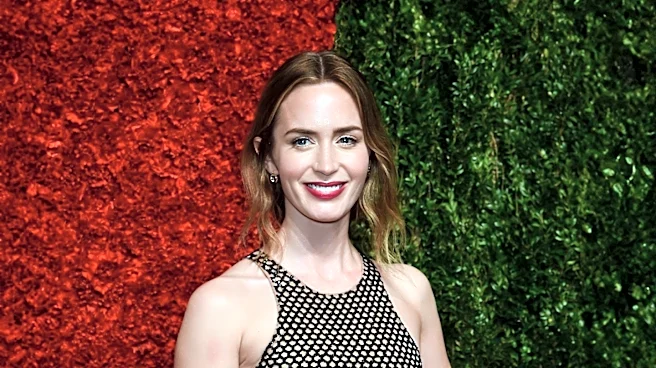
Actress Emily Blunt attended the 2026 MoMA Film Benefit: A Tribute to Steven Spielberg, accompanied by her husband John Krasinski. For the event, Blunt wore a black Schiaparelli Spring 2027 ready-to-wear ensemble designed by creative director Daniel Roseberry.
The outfit featured a jersey bodysuit with a pleated, laminated bib draped over the front, paired with oversized black trousers that included keyhole buttons and a gold plaque. She completed her look with black velvet mules featuring Schiaparelli's signature S-shaped heels, embellished with pearls and gold rhinestones, and styled her hair in a sleek bun. While her appearance generated significant discussion, the design, particularly the bodice, received divided opinions from critics and fans, with many questioning its fit and overall aesthetic. Some commenters on social media platforms, including Reddit, expressed that the unusual details overwhelmed the look and suggested the design might not be well-suited for Blunt.
Why It's Important?
This event highlights the ongoing public scrutiny and critical reception of high-fashion choices made by celebrities, particularly at prominent cultural events like the MoMA Film Benefit. The divided reactions to Emily Blunt's Schiaparelli outfit underscore the subjective nature of fashion and the pressure celebrities face to make impactful, yet widely accepted, style statements. For fashion houses like Schiaparelli, such appearances, even if controversial, serve as significant marketing opportunities, generating buzz and keeping their designs in the public conversation. The feedback, both positive and negative, can influence future design directions and celebrity endorsements within the fashion industry. It also reflects how social media platforms have become immediate forums for public commentary on celebrity fashion, shaping perceptions and influencing trends.
What's Next?
The discussion surrounding Emily Blunt's outfit is likely to continue within fashion circles and among celebrity watchers, potentially influencing future red carpet choices by other celebrities and the design strategies of fashion brands. Designers may take note of the public's reception to unconventional elements, possibly leading to adjustments in future collections or styling approaches for high-profile events. For Blunt, this event adds to her public image as someone willing to experiment with bold fashion, which could either attract or deter certain brands for future collaborations. The incident also reinforces the role of major cultural events as platforms for fashion statements that can spark widespread debate and media coverage.
Beyond the Headlines
Beyond the immediate fashion critique, this event touches upon broader themes of artistic expression versus commercial appeal in the fashion world. Schiaparelli, known for its unconventional and often surreal designs, consistently pushes boundaries, and celebrity endorsements are crucial for translating these avant-garde concepts into mainstream relevance. The public's strong reactions, particularly concerning fit and wearability, highlight a tension between high fashion's artistic vision and the practical expectations of consumers. It also reflects the evolving role of celebrities as style icons, where their choices are not just personal but also a form of public performance, subject to instant global commentary. This dynamic can influence how fashion is perceived and consumed, blurring the lines between art, commerce, and public opinion.