



What's Happening?
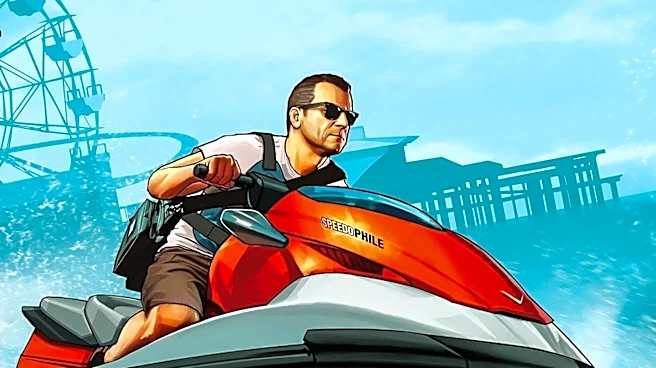
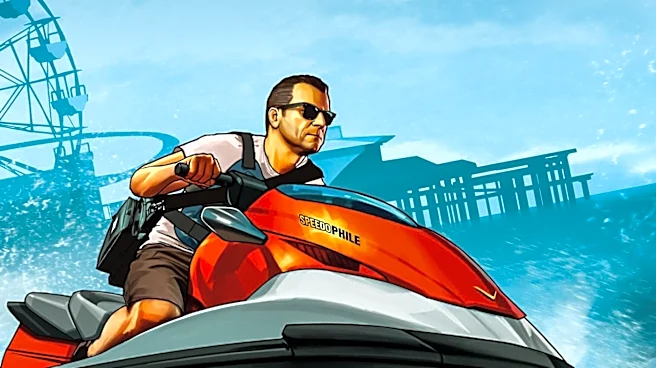
Take-Two Interactive, the parent company of Rockstar Games, has announced that the highly anticipated Grand Theft Auto VI will be released exclusively in digital format, foregoing physical discs. This decision has sparked significant backlash from the gaming
community, which values physical media for its tangibility and permanence. Take-Two CEO Strauss Zelnick compared the shift to digital-only releases to the music industry's transition from physical records to digital formats, suggesting that physical game discs are becoming obsolete. However, this analogy has been criticized as oversimplifying consumer preferences and ignoring infrastructure disparities that affect gamers' access to digital content. The move to digital-only releases raises concerns about accessibility, especially for gamers in areas with limited internet capabilities, and highlights the broader industry trend towards ephemeral ownership models.
Why It's Important?
The decision to release Grand Theft Auto VI exclusively in digital format reflects a significant shift in the gaming industry towards digital distribution. This move could have wide-ranging implications for consumer rights and access to content. Digital-only releases limit ownership, as consumers are essentially licensing rather than owning the games they purchase. This shift could disproportionately affect gamers in rural or underdeveloped areas with limited internet access, potentially alienating a segment of the gaming community. The backlash from gamers underscores the emotional and practical value they place on physical media, which provides a sense of ownership and permanence. The industry's push towards digital could lead to a reevaluation of consumer rights and the balance between convenience and accessibility.
What's Next?
As the gaming industry continues to move towards digital distribution, companies like Take-Two and Sony may need to address consumer concerns about ownership and accessibility. The backlash from the Grand Theft Auto VI announcement could prompt a reevaluation of digital-only strategies, especially if consumer demand for physical media persists. Companies might explore hybrid models that offer both digital and physical options to cater to diverse consumer preferences. Additionally, there may be increased scrutiny on digital licensing agreements and consumer rights, potentially leading to regulatory discussions about digital ownership and access. The industry's response to this backlash could shape future distribution models and consumer relations.
Beyond the Headlines
The shift towards digital-only releases in the gaming industry is part of a broader cultural trend towards ephemeral content consumption. As streaming services and cloud-based platforms become more prevalent, the concept of ownership is evolving. This trend raises questions about the psychological impact of losing tangible connections to content and the potential loss of cultural artifacts. The gaming community's reaction to the Grand Theft Auto VI announcement highlights the importance of considering consumer sentiment and the cultural significance of physical media. As digital distribution becomes the norm, the industry may need to find ways to preserve the cultural and emotional value of gaming experiences.