




What's Happening?
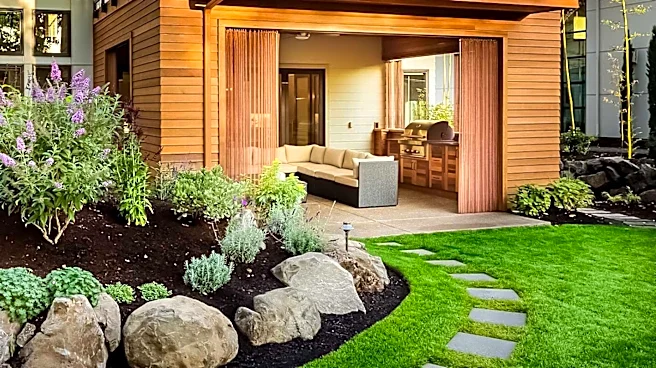
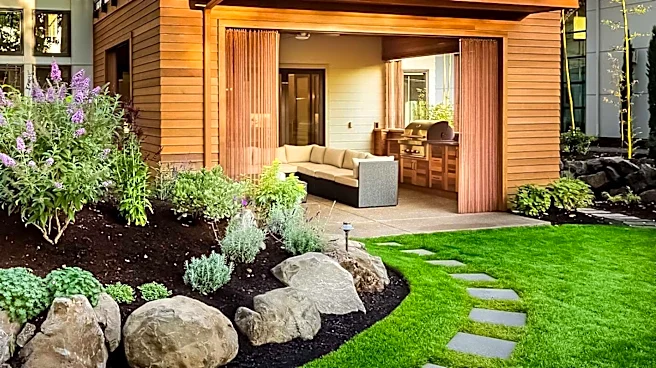
Homeowners are increasingly seeking modern, minimalist, and low-maintenance designs for their backyard landscapes. A key trend involves integrating functional and relaxing outdoor spaces, such as large open patios, outdoor living areas, fire pits, and pools.
For instance, one project focused on creating a clean, modern, and low-maintenance landscape to complement a new home, prioritizing spaces for family enjoyment. This approach often includes the use of synthetic turf to eliminate the need for mowing, watering, or fertilizing, and river rock or gravel in garden beds to reduce the frequency of mulch refreshing. Plant palettes are typically limited to evergreens that offer color and texture without extensive flowering, aligning with a modern and minimalist aesthetic. The design process also involves significant concrete work for patios, paths, and pool decks, requiring careful coordination.
Why It's Important?
This shift in landscaping preferences reflects a broader trend towards efficiency and simplified living in U.S. households. The demand for low-maintenance solutions impacts the landscaping industry, driving innovation in materials like synthetic turf and decorative aggregates. It also influences the types of services offered by landscape designers and contractors, who must adapt to client requests for modern aesthetics combined with minimal upkeep. Homeowners benefit from reduced time and effort spent on yard work, potentially freeing up leisure time and lowering long-term maintenance costs. This trend also suggests a growing appreciation for outdoor living spaces that are both visually appealing and highly functional, catering to family activities and relaxation. The emphasis on durable, long-lasting materials like concrete and specific plant choices also has implications for supply chains and horticultural practices.
What's Next?
The landscaping industry is likely to continue evolving to meet the demand for modern, low-maintenance designs. This could lead to further advancements in synthetic materials, drought-resistant plants, and automated irrigation systems. Designers may increasingly specialize in minimalist and functional outdoor spaces, offering integrated solutions that combine hardscaping with strategic planting. We can expect to see more emphasis on sustainable and eco-friendly low-maintenance options, as homeowners seek to balance convenience with environmental consciousness. The market for outdoor furniture and accessories designed for modern, minimalist aesthetics is also expected to grow, complementing these landscape trends. Furthermore, educational resources for homeowners on creating and maintaining such landscapes will become more prevalent, empowering them to make informed choices for their outdoor environments.
Beyond the Headlines
Beyond the immediate aesthetic and practical benefits, this trend towards low-maintenance landscaping may signify a cultural shift in how Americans view their outdoor spaces. It could reflect a desire for less labor-intensive home environments, allowing more time for other pursuits. The integration of outdoor living areas, fire pits, and pools suggests a growing emphasis on home as a central hub for entertainment and relaxation, blurring the lines between indoor and outdoor living. This could also have psychological benefits, as well-designed, uncluttered outdoor spaces can contribute to a sense of calm and well-being. Environmentally, the reduced need for water and fertilizers in low-maintenance landscapes could contribute to conservation efforts, particularly in regions facing water scarcity. However, the increased use of synthetic materials also raises questions about their long-term environmental impact and disposal.