





What's Happening?
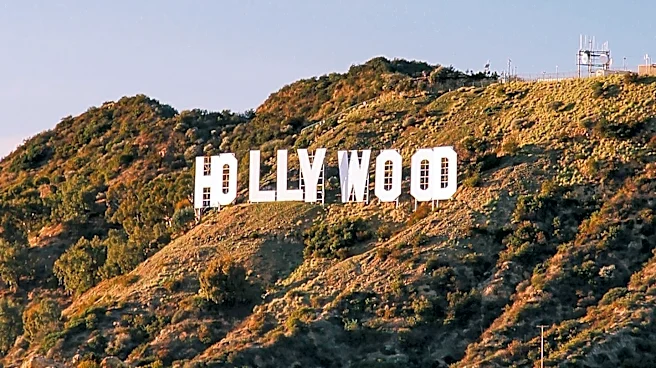
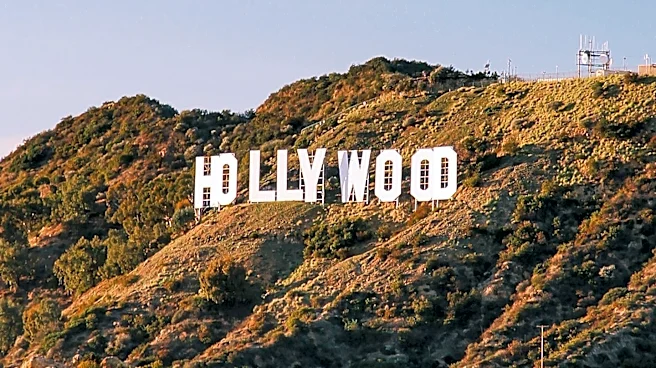
The Last House on Mulholland, a 9,415-square-foot residential lot in Los Angeles, is on the market for $3.2 million. This property is uniquely positioned within the Hollywood Sign's Primary Viewing Corridor, making it the closest buildable parcel to the iconic
landmark. The site is not subject to the Mulholland Scenic Parkway Specific Plan, allowing for broader construction possibilities. The property's value is significantly enhanced by its location, as it naturally becomes part of the countless photographs taken by the approximately 300,000 annual visitors to the area. The lot's visibility is further amplified by its presence on Google Maps, which has garnered over 15 million page views. The property is being marketed as a 'permanent media channel disguised as a residential lot,' offering a unique opportunity for brands, cultural institutions, and architects to leverage its inherent visibility.
Why It's Important?
The sale of The Last House on Mulholland represents a novel intersection of real estate, media, and cultural visibility. Its strategic location offers a rare opportunity for continuous, organic exposure without the need for traditional advertising. This could be particularly appealing to brands and cultural institutions looking to capitalize on the steady stream of user-generated content that the site naturally attracts. The property's potential to serve as a brand house, cultural pavilion, or architectural icon underscores its multifaceted appeal. The ongoing interest from international architects and media outlets highlights the site's significance as a cultural and architectural landmark. This development could set a precedent for how visibility and location are valued in real estate, potentially influencing future property marketing strategies.
What's Next?
The future of The Last House on Mulholland will depend on the vision of its eventual owner. The property's unique position offers a design challenge and opportunity to create a structure that complements the Hollywood Sign while capitalizing on its visibility. Potential buyers, whether individuals, brands, or institutions, will need to consider how to best utilize the site's inherent media potential. The ongoing architectural interest and media coverage suggest that the property will continue to attract attention, potentially leading to innovative uses that redefine its role in the landscape. The property's sale and subsequent development could influence how similar sites are marketed and utilized in the future, particularly in high-visibility areas.
Beyond the Headlines
The Last House on Mulholland challenges traditional notions of real estate value by emphasizing visibility and cultural significance over privacy and exclusivity. This approach could inspire a new category of properties that prioritize public engagement and media presence. The property's potential to become a landmark companion to the Hollywood Sign offers a unique opportunity to blend architecture with cultural storytelling. This development raises questions about the role of architecture in public spaces and how design can enhance or detract from iconic landmarks. The property's sale could also spark discussions about the ethical implications of leveraging cultural symbols for commercial gain.