





What's Happening?
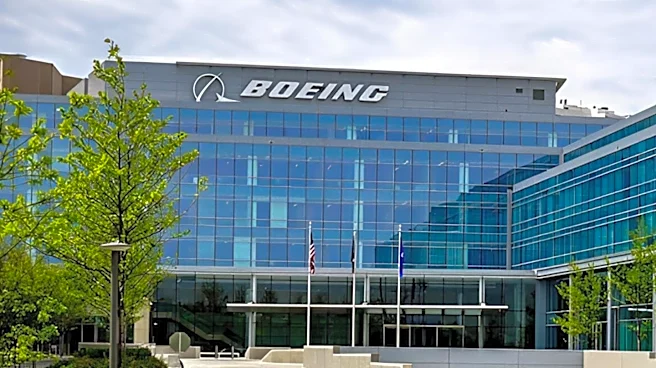
The Boeing Company is actively recruiting a Firefighter to join its Fire Department in Moses Lake, Washington. This role is part of one of the largest industrial fire departments in the United States, dedicated to ensuring a safe working environment for
employees and customers, supporting aircraft production, and conducting risk reduction inspections. The position involves a 24-hour shift work schedule and requires the successful candidate to respond to a variety of emergencies, including those involving company personnel, buildings, equipment, and the environment. Responsibilities also encompass providing emergency medical care, responding to structure and automotive incidents, Aircraft Rescue Firefighting (ARFF), confined space rescues, and hazardous materials incidents. The role also includes inspecting fire protection systems, participating in hot work control activities, and engaging in training sessions. Applicants must possess a current valid driver’s license, an Emergency Medical Technician (EMT) certification, and a State, IFSAC, or Proboard Firefighter 1 certification. They must also pass an annual Firefighter/HazMat physical and stress test and be able to become a Hazardous Materials Technician within one year of hire.
Why It's Important?
This recruitment highlights Boeing's commitment to maintaining robust internal emergency response capabilities, which is crucial for the safety and operational continuity of its large-scale aircraft production facilities. The presence of a dedicated and well-equipped industrial fire department like Boeing's in Moses Lake underscores the complex safety requirements inherent in the aerospace manufacturing sector. Ensuring the safety of employees and the integrity of production processes directly impacts the company's ability to meet production targets and maintain its reputation. The need for specialized skills, such as ARFF and hazardous materials response, reflects the unique risks associated with aircraft manufacturing and testing. This investment in safety infrastructure also contributes to the broader economic stability of the region by protecting a major industrial employer and its workforce. The rigorous certification and physical requirements for the role emphasize the high standards necessary for effective emergency response in such a critical industrial environment.
What's Next?
The application period for the Firefighter position is open until September 8, 2026. Prospective candidates will undergo a comprehensive evaluation process, including a Firefighter physical/stress test. Successful applicants will be expected to obtain a Washington State driver’s license within 30 days of employment and achieve Hazardous Materials Technician certification within one year. The Boeing Fire Department will continue to provide ongoing training and instruction sessions to maintain and enhance the skills of its firefighters. The department's continuous operation will involve responding to emergencies, conducting inspections, and supporting flightline activities, ensuring the safety protocols are consistently met. The hiring of new personnel will bolster the department's capacity to manage the diverse range of emergencies that can arise in a large industrial setting, particularly one involved in aircraft manufacturing.
Beyond the Headlines
The existence and continuous staffing of a large industrial fire department within a private company like Boeing illustrate a significant trend in corporate responsibility and risk management, particularly in high-stakes industries. Beyond merely complying with safety regulations, companies like Boeing are investing in comprehensive, in-house emergency services that mirror municipal fire departments in scope and capability. This approach reflects a recognition that the unique and specialized risks associated with their operations—such as handling advanced materials, large-scale manufacturing, and flight testing—require a dedicated and highly trained response force. This model also contributes to local emergency response ecosystems, as industrial fire departments often collaborate with municipal services during larger regional incidents. The emphasis on continuous training and certification for these firefighters highlights the evolving nature of industrial hazards and the need for specialized expertise to mitigate them effectively, setting a benchmark for safety standards in complex industrial environments.