


What's Happening?
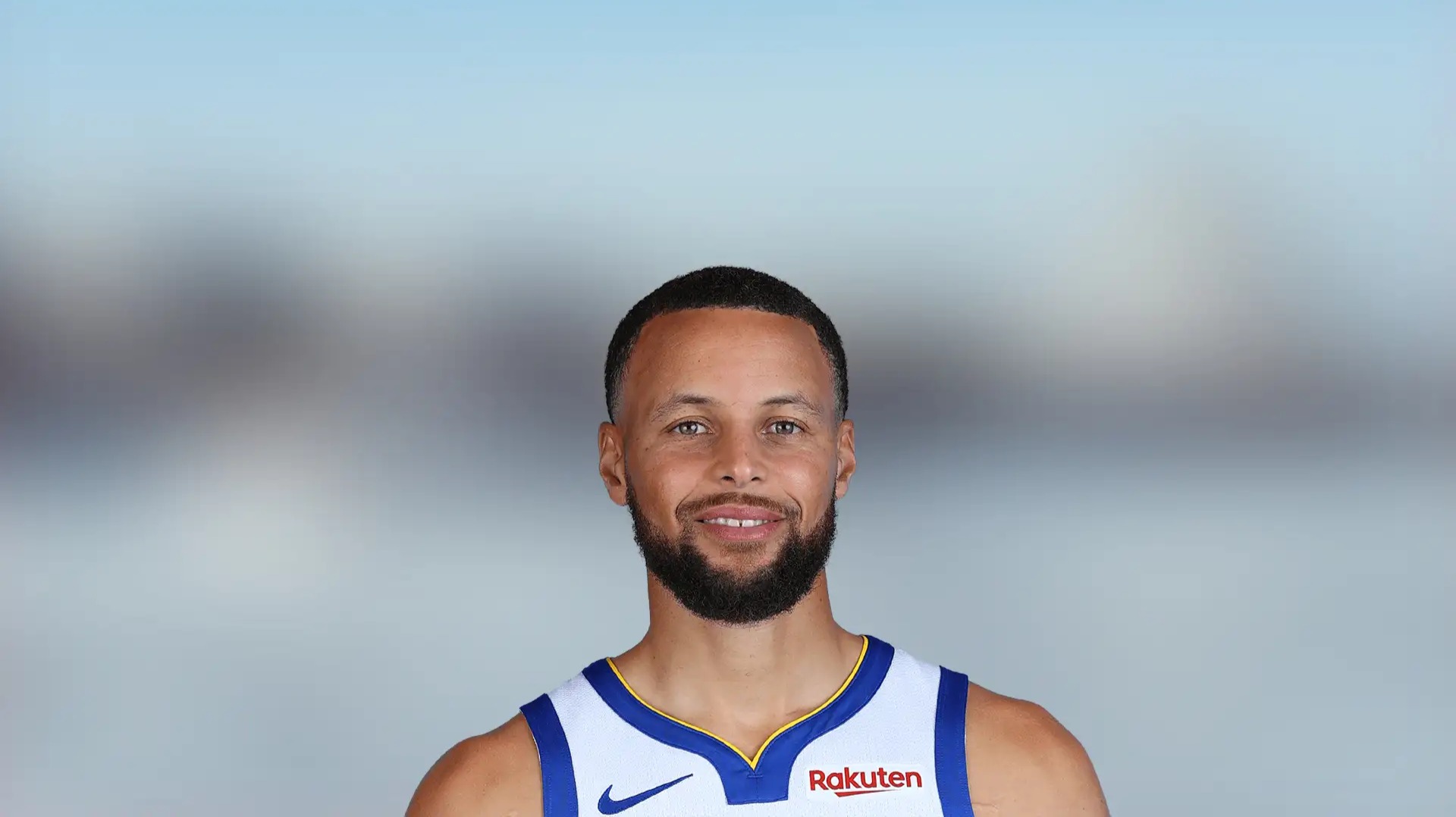
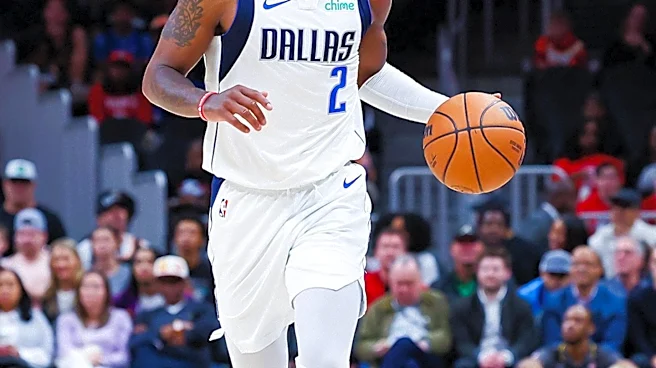
Kyrie Irving, a prominent NBA player, recently made his debut at the National Basketball Players Association’s (NBPA) new PLYRS UNTD Performance Center in Playa Vista, California. This appearance marks a significant step in his recovery from an ACL tear,
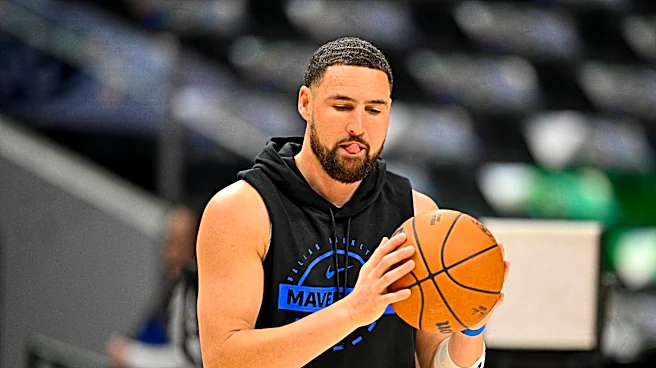
with fans and observers noting his comfortable and explosive movements on the court during offseason runs. The facility, which opened on August 4th, is the NBPA's first exclusive performance center built specifically for its members. It occupies the former Los Angeles Clippers practice facility and spans 42,500 square feet. Irving was joined by other notable NBA talents, including Anthony Davis, Klay Thompson, Jalen Johnson, CJ McCollum, Amen Thompson, and VJ Edgecombe, highlighting the center's role as a hub for player training and collaboration. The center offers two NBA-specification courts, a customized weight room, indoor and outdoor turf areas, and a recovery wing equipped with saunas, steam rooms, dry floating, massage therapy, and meditation facilities. Additionally, players have access to an on-site culinary program and nutrition bar.
Why It's Important?
The opening of the PLYRS UNTD Performance Center and Kyrie Irving's participation underscore a significant shift in how professional basketball players manage their training, recovery, and offseason development. This player-centric facility provides a dedicated space where athletes can maintain peak physical condition and refine their skills without relying solely on their individual teams' resources. This independence can be particularly beneficial for players recovering from injuries, like Irving, as it offers a controlled and specialized environment for rehabilitation and performance enhancement. The collaborative aspect, with multiple NBA stars training together, fosters a unique competitive and supportive atmosphere that can elevate individual and collective play. For the NBA, this initiative by the NBPA demonstrates a growing emphasis on player well-being and empowerment, potentially influencing future collective bargaining agreements and the overall landscape of player development across the league. It also highlights the increasing investment in state-of-the-art facilities to prolong careers and optimize athletic performance.
What's Next?
The PLYRS UNTD Performance Center is designed to operate year-round, suggesting a continuous impact on NBA players' offseason routines and injury recovery protocols. More players are expected to utilize the facility for training, recovery, and networking, potentially leading to a higher standard of physical readiness across the league. The success of this player-only facility could inspire similar initiatives or expansions, further solidifying the NBPA's role in supporting its members' professional lives. For Kyrie Irving, his successful return to the court at this facility signals his readiness for the upcoming season, which will be closely watched by fans and his team. The continued use and evolution of such player-driven facilities could also influence how teams approach player management, potentially leading to more collaborative efforts between team medical staff and independent player resources. The center's comprehensive offerings, from training to nutrition and mental wellness, set a new benchmark for player support in professional sports.
Beyond the Headlines
The establishment of the PLYRS UNTD Performance Center represents a deeper trend towards player autonomy and collective action within professional sports. The idea for the facility originated directly from players, with over 60 individuals contributing feedback and NBPA President Fred VanVleet leading the effort. This player-led initiative signifies a growing desire among athletes to have greater control over their careers and well-being, moving beyond traditional team-centric structures. Ethically, it raises questions about the balance of power between players and franchises, potentially empowering athletes to make more informed decisions about their training and recovery. Culturally, it fosters a sense of community and shared purpose among NBA players, allowing them to connect and collaborate outside of competitive settings. This model could serve as a blueprint for other professional sports leagues, promoting a more holistic approach to athlete development that prioritizes long-term health and performance, ultimately benefiting the athletes and the sport as a whole.