




What's Happening?
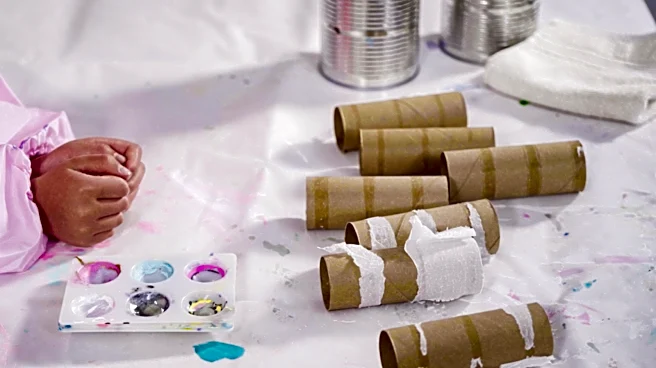
Everyday items such as paper bags, empty jars, cardboard, yarn, pinecones, and fallen leaves are being repurposed into various fall-themed crafts. These projects range from creating decorative items for the home to engaging activities suitable for children.
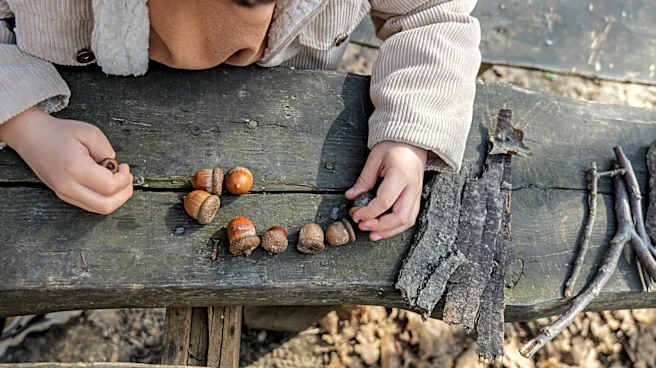
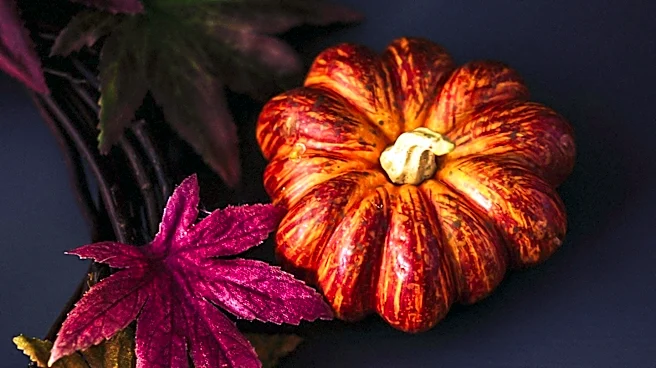
For instance, a plain brown paper lunch bag can be stuffed with newspaper and twisted to form a pumpkin shape, which can then be painted and decorated. Similarly, an empty jar can be transformed into a glowing leaf lantern by layering colored tissue paper or pressed leaves on its exterior with decoupage glue, and then adding a battery-operated tea light inside. Acorns can be painted to resemble tiny people or woodland creatures, while cardboard can be cut into leaf shapes, painted, and strung together to create a fall garland. These craft ideas emphasize using readily available materials to foster creativity and produce seasonal decorations.
Why It's Important?
The trend of utilizing simple, readily available materials for crafting holds significant importance for several reasons. Economically, it promotes resourcefulness and reduces the need for purchasing expensive, pre-made decorations, offering a cost-effective way to engage in seasonal decorating and activities. Environmentally, it encourages recycling and upcycling, diverting potential waste from landfills and promoting sustainable practices within households. Socially, these types of crafts provide accessible and inclusive activities for families and individuals, fostering creativity and offering a hands-on alternative to screen time. For children, engaging in these projects can enhance fine motor skills, encourage imaginative play, and provide a sense of accomplishment. The emphasis on natural elements like leaves and pinecones also connects participants with the changing seasons, enriching their appreciation for the environment.
What's Next?
As the popularity of accessible crafting continues, it is anticipated that more individuals and families will explore similar DIY projects, particularly during seasonal transitions. This could lead to an increase in online content, tutorials, and community workshops focused on repurposing household items and natural materials for creative endeavors. Retailers might respond by offering more basic craft supplies and kits that align with these simple, sustainable themes. Furthermore, educational programs and community centers may integrate these types of crafts into their offerings, recognizing their benefits for skill development and environmental awareness. The focus on using readily available and often free materials suggests a continued shift towards more sustainable and budget-friendly recreational activities, potentially influencing consumer choices and creative trends in the broader crafting community.
Beyond the Headlines
Beyond the immediate appeal of creating seasonal decorations, this crafting trend reflects a deeper cultural shift towards mindfulness, sustainability, and a return to simpler pleasures. In an increasingly digital world, hands-on activities like these offer a tangible way to engage with the physical environment and foster a sense of accomplishment that digital interactions often lack. The act of transforming ordinary objects into something new and beautiful can be therapeutic, providing a creative outlet and reducing stress. Ethically, it promotes a conscious consumption mindset, encouraging individuals to consider the lifecycle of products and the potential for reuse before disposal. This movement also subtly challenges the consumerist culture by demonstrating that meaningful and aesthetically pleasing items can be created without significant financial outlay, fostering a greater appreciation for ingenuity and personal effort over mass-produced goods.