



What's Happening?
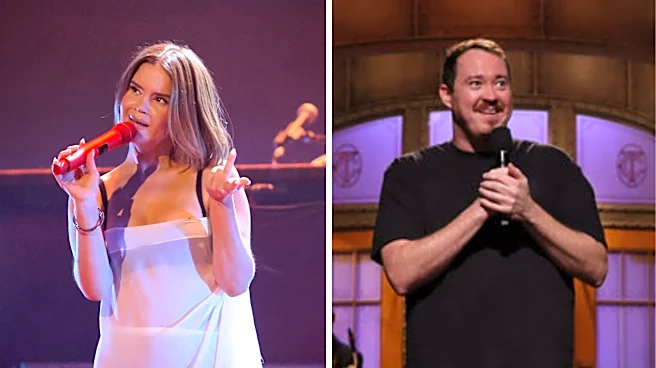
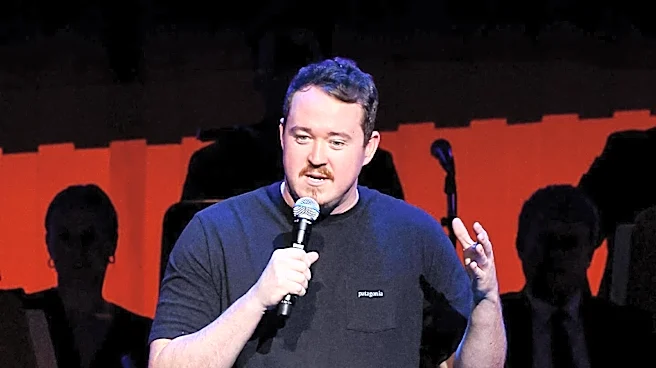
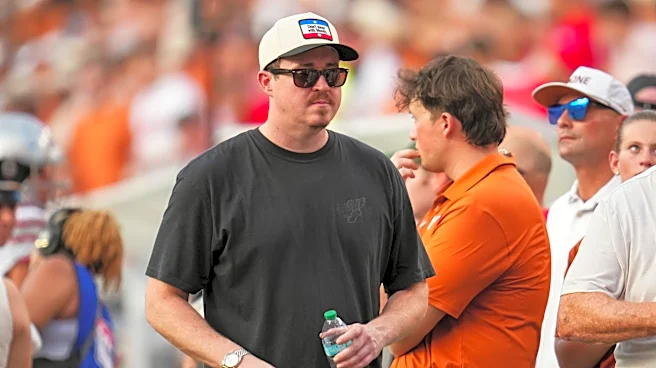
Comedian Kathy Griffin has publicly criticized Shane Gillis following his controversial monologue on 'Saturday Night Live.' Griffin labeled Gillis a 'hack' and took aim at a group of male comedians, suggesting they 'all look like they can’t get laid.'
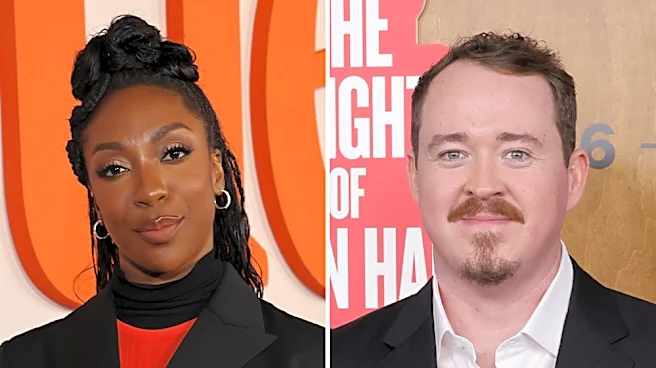
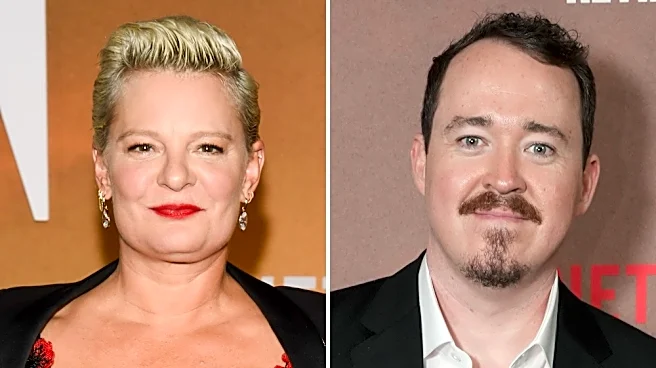
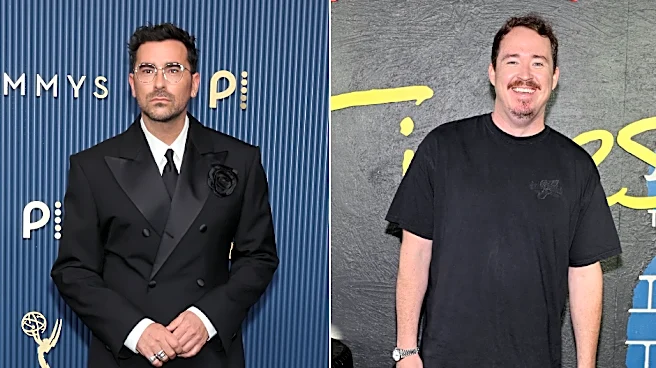
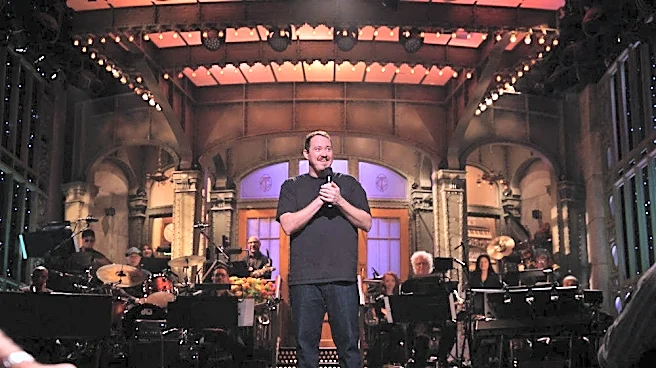
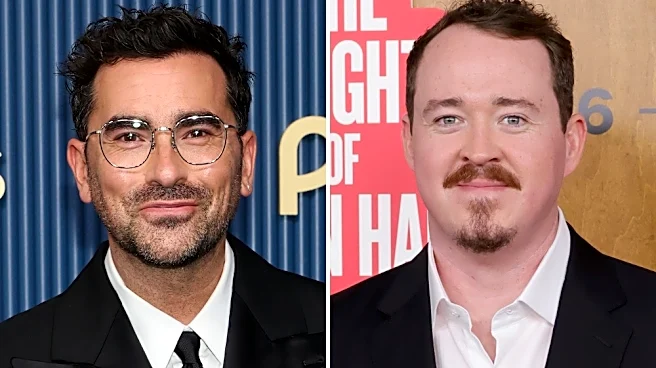
Her comments came after Gillis sparked backlash for a joke during his 'SNL' monologue where he described women at gyms as dressing 'like whores.' While Griffin defended Gillis's First Amendment right to make such jokes, she also asserted the right of others to disapprove of his content. Gillis's 'SNL' appearance was already contentious, as he was previously fired from the show in 2019 due to resurfaced racist and homophobic remarks. During his recent monologue, he also used an uncensored expletive. Other celebrities, including 'Schitt’s Creek' star Dan Levy and former 'SNL' cast members Ego Nwodim and Cecily Strong, have also spoken out against Gillis's remarks, with Levy stating that calling women 'whores' makes the men misogynists.
Why It's Important?
This incident highlights ongoing debates within the comedy industry regarding freedom of speech, evolving social standards, and accountability for offensive content. Kathy Griffin's dual stance—defending the right to speak while criticizing the content—reflects a complex tension between artistic expression and social responsibility. The backlash against Gillis, particularly from fellow comedians and former 'SNL' cast members, underscores a growing intolerance for misogynistic humor, especially in the wake of increased awareness around issues like 'rape culture' and victim-blaming. The controversy also brings into question the role of platforms like 'SNL' in providing a stage for comedians with a history of controversial remarks, and the potential impact on workplace environments, as expressed by an 'SNL' graphic designer who felt unsafe. This situation could influence how comedy is produced and consumed, potentially leading to more scrutiny of content and a greater emphasis on inclusive and respectful humor.
What's Next?
While 'SNL' and NBC have remained silent on the growing controversy, the public and industry reactions are likely to continue. The ongoing discussion may prompt further conversations about the boundaries of comedy and the responsibilities of comedians and media platforms. It could also lead to increased pressure on 'SNL' to address the backlash, potentially influencing future hosting choices or content guidelines. The strong reactions from various public figures and social media users suggest that the conversation around Gillis's remarks will persist, potentially impacting his public image and future career opportunities. The incident may also encourage more individuals within the entertainment industry to speak out against content they deem offensive, contributing to a broader cultural shift in what is considered acceptable humor.
Beyond the Headlines
The controversy surrounding Shane Gillis's 'SNL' monologue and Kathy Griffin's response delves into deeper societal issues beyond just comedic taste. It touches upon the evolving definition of 'woke' culture and its impact on traditional forms of humor. Griffin's observation that 'comedians evolve and change with the times' suggests a recognition that what was once acceptable in comedy may no longer be, reflecting broader shifts in social norms and sensitivities. The criticism from various individuals, including a graphic designer who felt the comments contributed to an 'unsafe workplace,' highlights the intersection of entertainment with workplace culture and the potential for comedic content to have real-world implications. This incident also brings to light the power dynamics within the entertainment industry, where established figures like Griffin can challenge newer voices, and where platforms like 'SNL' navigate public opinion while maintaining their brand. The debate ultimately reflects a larger cultural reckoning with misogyny and the role of media in shaping public discourse.