









What's Happening?
Reliable Robotics, a Mountain View, California-based startup specializing in autonomous flight systems for existing aircraft, has successfully raised an additional $115 million. This funding round pushes the company's valuation past $1 billion. The new
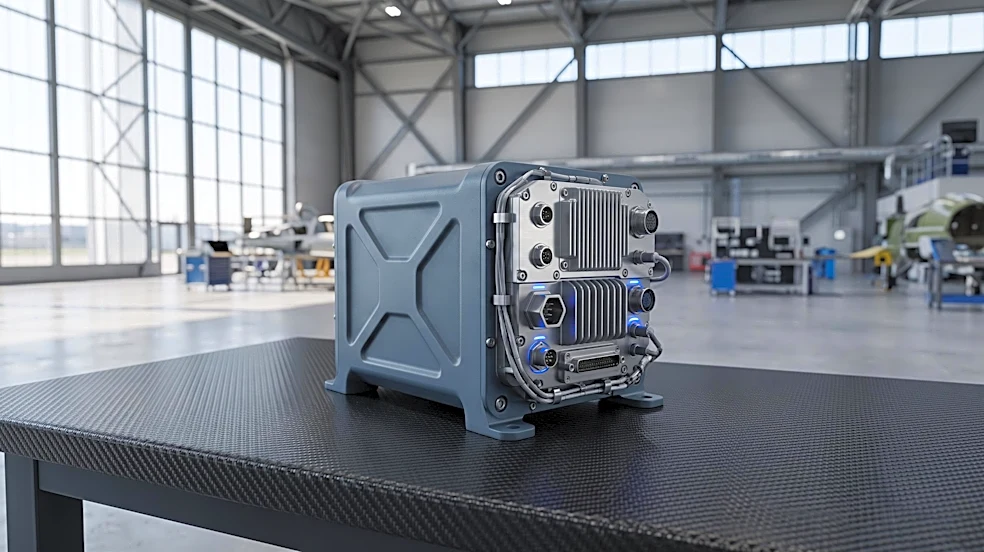
capital comprises $90 million in equity funding, led by Nimble Partners, and a $25 million term loan from Silicon Valley Bank. This latest investment extends their Series D round to a total of $275 million, bringing Reliable Robotics' total equity raised to over $380 million. The company, founded by former SpaceX director of flight software Robert Rose and CTO Juerg Frefel, is focused on certifying its autonomous flight system with the Federal Aviation Administration (FAA). They are pursuing certification on four fronts: continuous autopilot engagement, moving the pilot to a ground-control station, developing a solid-state collision-avoidance radar, and certifying their own cargo airline, Reliable Airlines, to utilize this autonomous technology.
Why It's Important?
This significant funding and valuation milestone for Reliable Robotics underscores the growing investor confidence and technological advancements in the autonomous aviation sector. The development of self-flying planes has profound implications for various U.S. industries, including logistics, defense, and regional air travel. Autonomous cargo flights, as demonstrated by Reliable Airlines' operations in New Mexico and Colorado, could revolutionize supply chains by enabling more efficient and cost-effective delivery to remote areas. For the defense sector, the dual-use nature of Reliable Robotics' technology, with existing contracts with the U.S. military, suggests potential for enhanced operational capabilities and safety. Furthermore, the company's focus on certifying its systems with the FAA is critical for establishing regulatory frameworks and public trust in autonomous flight, paving the way for broader adoption across commercial and private aviation. The in-house development of a solid-state collision-avoidance radar also highlights innovation aimed at improving air safety, which could benefit the entire aviation industry.
What's Next?
Reliable Robotics is actively working towards FAA certification for its autonomous flight systems. CEO Robert Rose anticipates certification for the continuous autopilot engagement system, which allows a pilot to remain in the cockpit while the system handles engine start, taxi, takeoff, and landing, within 18 to 24 months. The next stage, involving moving the pilot to a ground station, is projected to be at least three years away. The company also expects its solid-state collision-avoidance radar to be certified by the end of 2027. Concurrently, Reliable Airlines, the company's cargo carrier operating six Cessna Caravans, will seek certification to use this autonomous technology. The successful certification of these systems will be a critical step towards wider commercial deployment and could lead to increased investment and adoption of autonomous aviation solutions across the U.S. and globally. The company plans to use the new funding to acquire more aircraft, expand production space, and hire additional engineers, including opening new offices in Bothell, near Seattle, for a radar center, and San Diego for military autonomy.
Beyond the Headlines
The advancement of autonomous flight technology by companies like Reliable Robotics presents deeper implications beyond immediate operational efficiencies. Ethically, the transition to pilotless aircraft raises questions about human oversight, accountability in the event of incidents, and the future role of human pilots in aviation. Legally, the FAA's certification process for such advanced systems will set precedents for autonomous operations across various industries, influencing future regulatory frameworks for AI and robotics. Culturally, public acceptance of autonomous aircraft, particularly for passenger transport, will be a significant hurdle, requiring extensive safety demonstrations and transparent communication. The dual-use nature of this technology, serving both commercial and military applications, also highlights the convergence of civilian innovation and national security interests. In the long term, widespread adoption of autonomous flight could lead to a fundamental shift in air travel, cargo logistics, and even urban planning, potentially reducing human error, increasing accessibility to remote areas, and transforming the economics of air transportation.