




What's Happening?
A business in the Denver metro area is facing significant repairs after a Jeep crashed through its building. The incident occurred on a Saturday, causing substantial damage to the property. The driver of the Jeep fled the scene immediately after the crash and
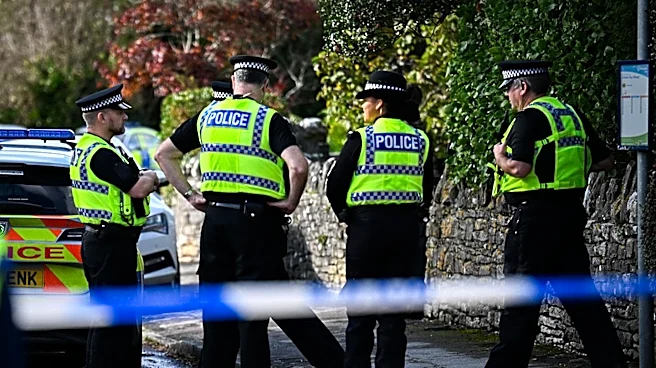
remains at large. This event has left the business owner concerned about the future of their company, highlighting the immediate and potentially long-term financial and operational impacts of such an unexpected disaster. Local authorities are actively searching for the suspect involved in the hit-and-run. The crash underscores the vulnerability of commercial properties to vehicular accidents and the challenges businesses face in recovering from such unforeseen damages.
Why It's Important?
This incident is important because it illustrates the severe disruptions and financial burdens that can be imposed on small and medium-sized businesses by unexpected events. Beyond the immediate cost of repairs, the business owner likely faces loss of income due to operational downtime, potential inventory damage, and the psychological stress of rebuilding. Such events can be particularly devastating for businesses that operate on thin margins or lack comprehensive insurance coverage for all types of damages. The ongoing search for the suspect also highlights issues of public safety and accountability, as hit-and-run incidents can leave victims with unaddressed damages and a sense of injustice. The broader economic impact includes potential job losses if the business cannot recover, and a ripple effect on local suppliers and customers.
What's Next?
The immediate next steps for the Denver metro area business will involve assessing the full extent of the damage, coordinating with insurance providers, and initiating repair work. The business owner will need to determine the feasibility and timeline for reopening, which will depend on the severity of structural damage and the availability of contractors. Law enforcement will continue their investigation to identify and apprehend the suspect responsible for the crash. This will involve reviewing surveillance footage, gathering witness statements, and following up on any leads. The outcome of the police investigation could impact the business's ability to seek restitution for damages not covered by insurance. The community may also rally to support the affected business, potentially through fundraising or patronage once it reopens.
Beyond the Headlines
This incident raises deeper questions about urban planning, road safety, and the resilience of local economies. The frequency of vehicles crashing into buildings, whether accidental or intentional, points to potential issues with road design, traffic control, or building placement relative to roadways. Ethically, the suspect's flight from the scene highlights a disregard for responsibility and the well-being of others. Legally, the case will involve criminal charges for the hit-and-run and potentially civil litigation for damages. Culturally, such events can foster a sense of vulnerability within communities, prompting calls for increased safety measures and support for local businesses. The long-term implication is a need for more robust urban infrastructure planning that considers the protection of commercial and residential properties from vehicular impacts, alongside improved law enforcement efforts to deter and prosecute hit-and-run incidents.