



What's Happening?
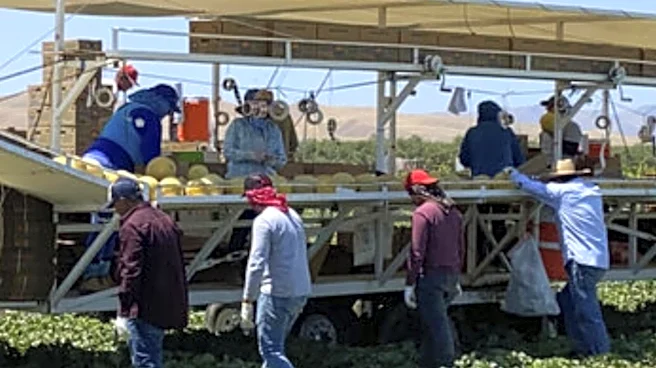
Regenerative agriculture is gaining popularity in the U.S., with major food producers and retailers committing to sustainable farming practices. This approach focuses on improving soil health and biodiversity through techniques like no-till farming and cover
cropping. Despite its growing appeal, regenerative agriculture lacks strict federal regulation, leading to variability in standards and potential consumer confusion. The U.S. Department of Agriculture has launched a $700 million pilot program to support regenerative projects, but certification remains inconsistent across the industry.
Why It's Important?
The rise of regenerative agriculture reflects a shift towards more sustainable food production methods, driven by consumer demand for environmentally friendly products. However, the lack of standardized certification poses challenges for both producers and consumers. Without clear guidelines, there is a risk of 'greenwashing,' where products are marketed as sustainable without meeting rigorous standards. This could undermine consumer trust and slow the adoption of regenerative practices. The pilot program aims to address these issues by providing technical assistance and financial support, but more comprehensive regulation may be needed to ensure credibility.
What's Next?
As the regenerative agriculture movement grows, there is a push for more consistent certification standards to validate claims and build consumer confidence. Retailers like Whole Foods are already requiring proof of regenerative practices, setting a precedent for others to follow. The success of the USDA's pilot program will be closely watched, as it could pave the way for broader regulatory frameworks. Industry stakeholders are advocating for clearer definitions and standards to prevent misleading claims and support the long-term viability of regenerative agriculture.