





What's Happening?
Health experts are urging older adults to prioritize specific lifestyle changes, including regular exercise, adequate nutrition, and proper hydration, to improve their health and longevity. According to Dr. Dany Sayad, medical director for the Tampa General
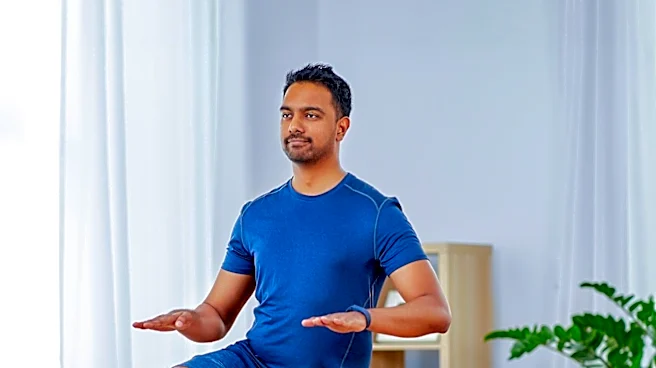
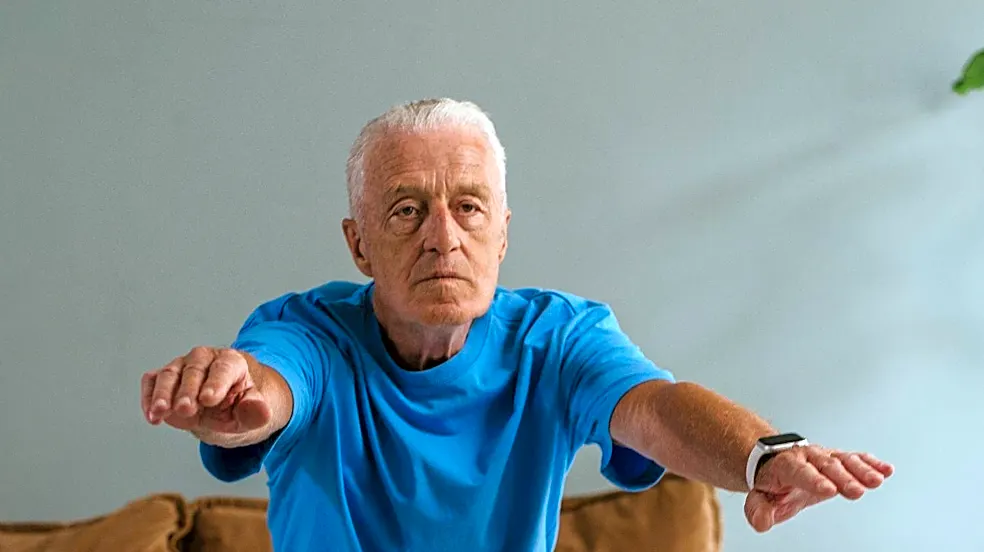
Hospital Heart & Vascular Institute's General Cardiology Center of Excellence, seniors should aim for a minimum of 150 minutes of exercise per week, tailored to their physical abilities, such as chair yoga, pilates, or walking. Nutritionists, including Kathleen Garcia-Benson and Courtney Pelitera, highlight the importance of fiber and protein intake, with Pelitera recommending at least 20g of protein per meal for older adults to combat sarcopenia, the age-related breakdown of muscle mass. Additionally, RD Annette Snyder points out the common deficiency of Vitamin D in seniors, crucial for muscle movement, immune function, and bone health, suggesting food sources like fatty fish and fortified dairy. RDN Colette Micko stresses the need for increased hydration, as the sensation of thirst diminishes with age, recommending a minimum of 48 ounces of water daily.
Why It's Important?
These recommendations are crucial for addressing common health challenges faced by older adults in the U.S., such as cardiovascular disease, muscle loss, bone density issues, and dehydration. By focusing on tailored exercise, seniors can reduce the risk of falls, improve cardiovascular health, and enhance mental well-being. Adequate protein intake directly combats sarcopenia, preserving mobility and independence, which is vital for maintaining quality of life and reducing healthcare burdens associated with age-related physical decline. Addressing Vitamin D deficiency can prevent bone fractures and support immune function, both significant concerns for the aging population. Furthermore, proper hydration is fundamental for overall cellular function, energy levels, digestion, and joint lubrication, contributing to a more robust and resilient older population. Implementing these lifestyle changes can lead to a healthier, more active senior demographic, potentially reducing the strain on the healthcare system and improving individual well-being.
What's Next?
Healthcare providers and public health initiatives are likely to continue emphasizing these lifestyle interventions for older adults. Educational campaigns promoting balanced diets rich in fiber, protein, and Vitamin D, along with consistent hydration, are expected. The focus will also be on encouraging accessible and appropriate exercise programs for seniors, moving beyond the idea that intense workouts are necessary. There may be an increased push for regular health screenings to identify deficiencies and risks early, allowing for timely interventions. Furthermore, the integration of mental health and social well-being into comprehensive senior care will likely gain traction, as highlighted by Dr. Katie Golden, an emergency medicine physician, who recommends enjoying meals with company for mental health benefits. The goal is to foster a proactive approach to healthy aging, empowering older adults to make informed choices that support their physical and mental health.
Beyond the Headlines
The emphasis on personalized and accessible health advice for older adults reflects a broader shift in healthcare towards preventive and lifestyle medicine. This approach acknowledges that aging is not merely a process of decline but can be managed and optimized through conscious choices. The focus on maintaining muscle mass and bone health underscores the importance of functional independence, which has profound implications for social engagement and overall quality of life in later years. Beyond physical health, the integration of mental well-being into these recommendations highlights a holistic view of health, recognizing the interconnectedness of physical and psychological states. This comprehensive perspective could lead to a re-evaluation of how society supports its aging population, moving towards models that promote active, engaged, and healthy senior living, rather than solely focusing on disease management. It also challenges the notion that aging inevitably leads to a loss of vitality, promoting a more optimistic and empowering narrative for older adults.