




What's Happening?
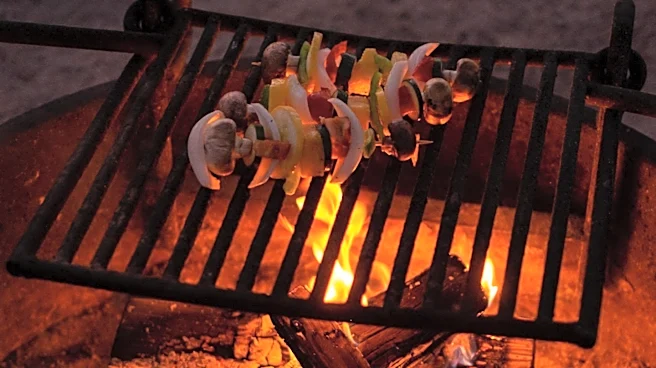
Across the Southern United States, live-fire cooking experiences are gaining popularity, offering unique communal and private dining events. Companies like Rambler in Nashville, Tennessee, are hosting multi-course meals cooked entirely over wood fires,
utilizing seasonal ingredients sourced from local farms. These events, such as the Creek Dinner Series along the Harpeth River and 'Trial By Fire,' provide guests with a front-row seat to the cooking process, emphasizing smoke, flame, and cocktails. Similarly, Open Fire Co. in New Orleans, Louisiana, presents 'The Hang,' an hours-long tasting experience featuring hanging and suspension cookery over live flames. This approach transforms dinner into a theatrical event, catering to intimate gatherings, weddings, masterclasses, and corporate events. Other notable experiences include Open Fire Catering in Leesburg, Virginia, Fuegos Grill in Asheville, North Carolina, Quail Run Farm in Chattanooga, Tennessee, Ry’s Table in Atlanta, Georgia, Steel Pioneer Fire Cooking in Trenton, Georgia, Roaming Fire in Central Texas, Firewild’s Austin Pig Roast, and Seven Fires in Austin, Texas, all of which prioritize local ingredients and the art of open-flame cooking.
Why It's Important?
The rise of live-fire cooking experiences in the Southern U.S. signifies a growing trend in the culinary and hospitality sectors, emphasizing authenticity, local sourcing, and immersive dining. This movement supports local agriculture by prioritizing seasonal ingredients from nearby farms, fostering a stronger connection between consumers and their food sources. For the hospitality industry, these unique offerings provide a competitive edge, attracting tourists and locals seeking memorable, experience-driven meals beyond traditional restaurant settings. The theatrical aspect of live-fire cooking, as seen with Open Fire Co.'s 'The Hang,' elevates dining to an entertainment form, potentially boosting local tourism and creating new revenue streams for chefs and event organizers. Furthermore, by reviving and refining an age-old cooking method, these businesses contribute to the preservation and evolution of culinary traditions, offering a distinct cultural experience that resonates with a desire for genuine, hands-on engagement with food.
What's Next?
The trend of live-fire cooking is likely to continue expanding across the Southern U.S., with more chefs and culinary entrepreneurs exploring innovative ways to incorporate open-flame techniques and local ingredients. We can anticipate an increase in specialized events, workshops, and pop-up dinners that highlight regional flavors and cooking styles. There may also be a greater emphasis on educational components, such as masterclasses and farm-to-table experiences, where guests can learn about sourcing, preparation, and the cultural significance of live-fire cooking. As consumer demand for unique and authentic dining experiences grows, these businesses may seek to collaborate with local tourism boards and agricultural producers to further integrate their offerings into regional travel and culinary circuits. The success of these ventures could also inspire similar initiatives in other parts of the country, fostering a broader appreciation for traditional cooking methods and locally sourced food.
Beyond the Headlines
Beyond the immediate culinary appeal, the resurgence of live-fire cooking in the Southern U.S. reflects deeper societal shifts towards sustainability, community engagement, and a desire for more meaningful consumption experiences. In an increasingly digital world, these events offer a tangible, sensory connection to food and nature, promoting a slower, more deliberate approach to dining. The communal aspect of many of these experiences fosters social interaction and a sense of shared discovery, moving beyond mere sustenance to create lasting memories and connections. Ethically, the emphasis on local and seasonal ingredients supports sustainable food systems and reduces the carbon footprint associated with food transportation. Culturally, these experiences celebrate regional culinary heritage and the art of cooking, transforming a basic human need into a rich, immersive cultural practice that can educate and inspire participants about the origins and preparation of their food.