





What's Happening?
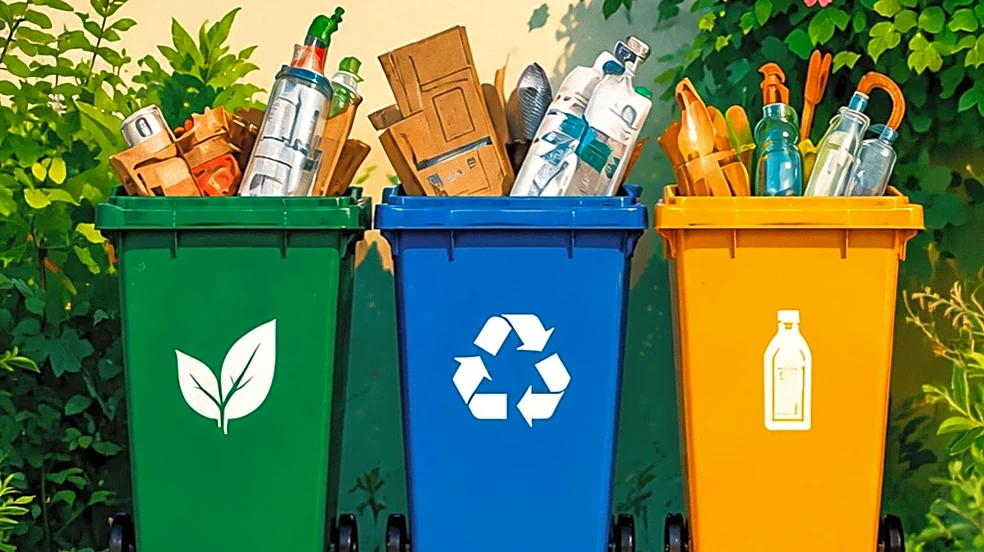
The waste management market is segmented into three primary product types: Municipal Waste, Industrial Waste, and Hazardous Waste, each with distinct characteristics and regulatory requirements. Municipal Waste, consisting of household and commercial
refuse, is typically non-hazardous and managed through collection, sorting, and landfill or incineration. Industrial Waste, generated by manufacturing and construction, includes scrap metals, chemicals, and process residues, often requiring specialized treatment due to varying toxicity and volume. Hazardous Waste, originating from industries like pharmaceuticals and chemical processing, contains ignitable, corrosive, reactive, or toxic substances, necessitating stringent containment, transport, and disposal under strict environmental regulations such, as RCRA in the U.S. Suppliers in this market tend to specialize due to the vastly different technical requirements, legal liabilities, and capital costs associated with each waste type. For instance, municipal operators focus on high-volume logistics, while industrial handlers invest in advanced sorting technologies, and hazardous waste firms require certified facilities for neutralization or thermal destruction.
Why It's Important?
The clear segmentation of the waste management market highlights the complex and specialized nature of waste handling in the U.S. and globally. This specialization ensures that different waste streams are managed appropriately, minimizing environmental and health risks. The regulatory frameworks, such as RCRA for hazardous waste, are crucial for public safety and environmental protection, dictating how various types of waste are contained, transported, and disposed of. The involvement of major players like Waste Management in North America, with its extensive landfill and collection network, underscores the significant infrastructure and investment required to manage municipal waste effectively. For industries, the need for specialized treatment for industrial and hazardous waste impacts operational costs and compliance strategies. The competitive landscape, with companies like Clean Harbors excelling in industrial and hazardous waste, demonstrates the demand for advanced solutions and expertise in managing complex waste streams, which is vital for sustainable industrial practices and economic stability.
What's Next?
The waste management market is expected to continue evolving with ongoing advancements in technology and stricter environmental regulations. Companies will likely further invest in specialized treatment facilities and innovative solutions to handle increasingly complex waste streams. The focus on sustainability and circular economy principles may drive more emphasis on recycling, resource recovery, and waste-to-energy initiatives across all segments. Regulatory bodies will likely continue to update and enforce rules to ensure proper waste handling and minimize environmental impact, potentially leading to new compliance requirements for businesses. The competitive landscape may see further consolidation or strategic partnerships as companies seek to expand their capabilities and market reach in specialized waste management areas. Additionally, the integration of digital technologies for waste tracking, sorting, and optimization could become more prevalent, enhancing efficiency and transparency in waste management operations.
Beyond the Headlines
The intricate segmentation of the waste management market reflects a broader societal challenge of balancing economic activity with environmental stewardship. The distinction between municipal, industrial, and hazardous waste underscores the varying degrees of risk and the ethical responsibilities associated with each. The reliance on specialized firms for hazardous waste management, for example, highlights the critical need for expertise and advanced infrastructure to prevent ecological disasters and protect human health. This specialization also raises questions about equitable access to waste management services, particularly in underserved communities that may bear a disproportionate burden of waste facilities. Furthermore, the continuous innovation in waste treatment technologies, driven by market demands and regulatory pressures, points to a long-term shift towards more sustainable practices. This includes not only reducing waste but also transforming it into valuable resources, thereby contributing to a more circular economy and mitigating the long-term environmental footprint of industrial and consumer activities.