


What's Happening?
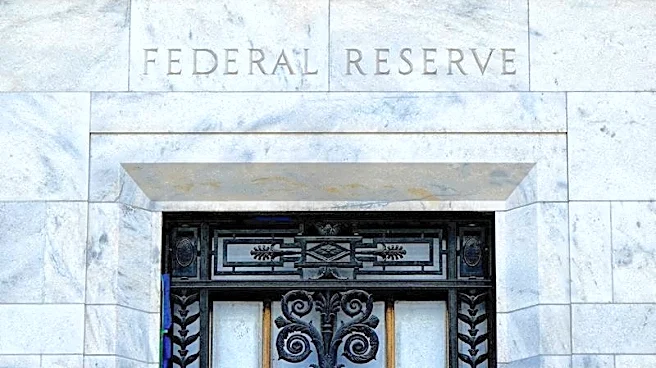
The Federal Reserve has decided to keep its key interest rate unchanged, despite a split among policymakers. The decision was made with a 9-3 vote, with dissenting votes from regional presidents who advocated for a rate hike to address persistent inflation.
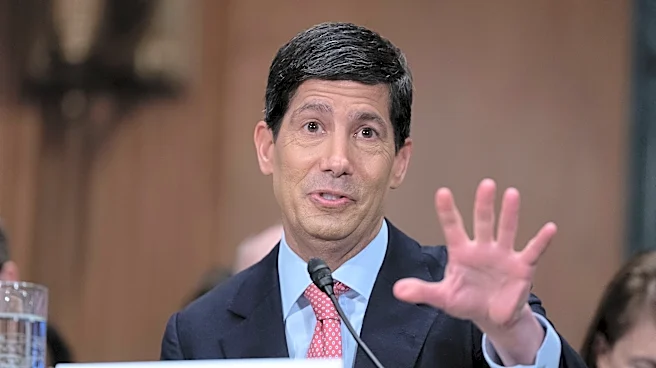
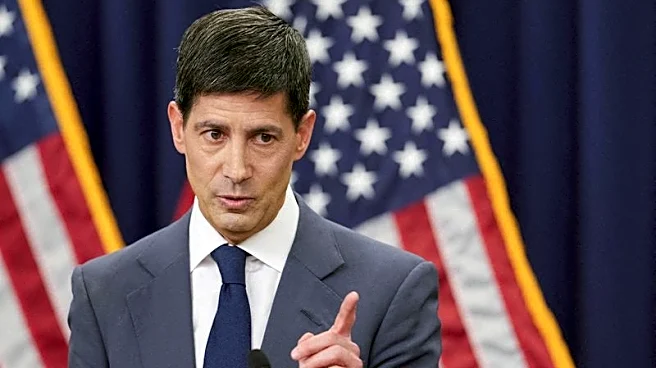
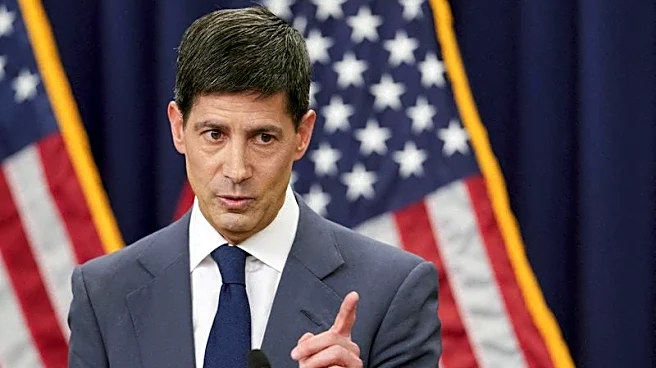
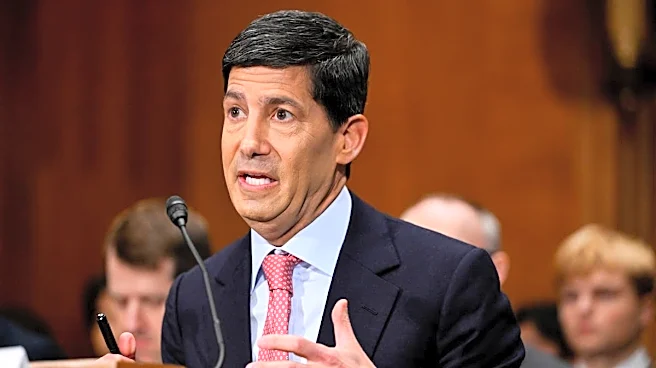
The Fed's statement highlighted ongoing economic expansion and stable job growth, despite uncertainties related to the Middle East conflict and domestic tariffs. Fed Chair Kevin Warsh has emphasized the need for price stability, but his approach of withholding forward guidance has led to increased uncertainty about future monetary policy.
Why It's Important?
The Fed's decision to hold rates steady is significant as it reflects the ongoing debate about the best approach to managing inflation and supporting economic growth. The decision impacts borrowing costs and economic activity, influencing consumer spending and business investment. The internal division within the Fed highlights the challenges of balancing inflation control with economic stability, especially amid geopolitical tensions and domestic policy changes. The decision also underscores the importance of clear communication from the Fed to guide market expectations and economic planning.
What's Next?
The Fed's next meeting in September could see a rate hike if inflation remains a concern. The CME Group's FedWatch tool indicates a 1-in-3 chance of a rate increase, reflecting market uncertainty. The Fed will continue to monitor economic indicators, including inflation and labor market conditions, to guide its future decisions. The geopolitical situation, particularly the conflict in the Middle East, and domestic policy changes, such as tariffs, will also play a crucial role in shaping the Fed's monetary policy.