









What's Happening?
The latest financial disclosures from the Federal Reserve reveal significant disparities in wealth among its officials. Fed Governor Lisa Cook reported over a million dollars in expenditures related to her ongoing legal battle to prevent her dismissal
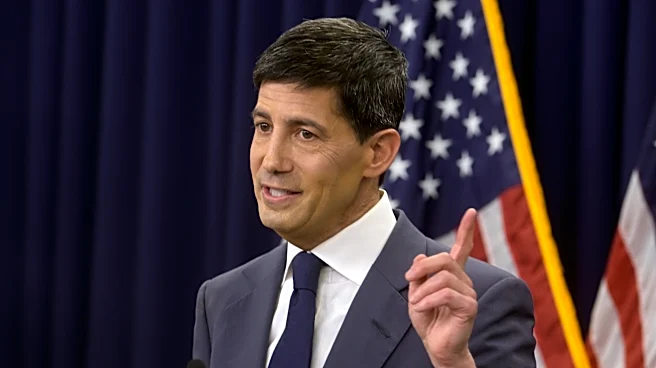
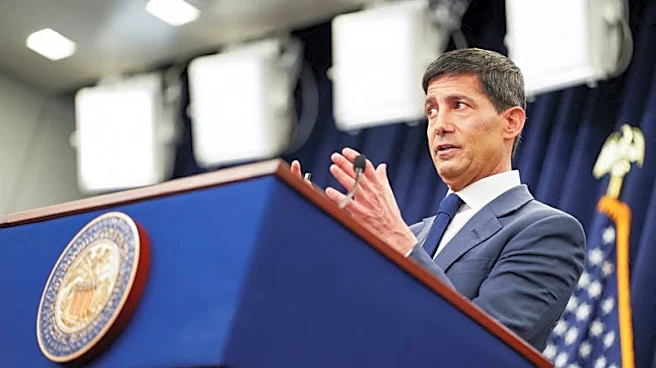
by President Trump. In contrast, she also disclosed receiving a modest prize valued at just under $800. Meanwhile, Fed Vice-Chair Philip Jefferson reported receiving a small payment for a book he authored. The new Federal Reserve Chairman, Kevin Warsh, stands out as the wealthiest leader in the institution's history, with over $100 million in assets. Warsh has sold the majority of his holdings to comply with government and central bank regulations, but the rapid sale of these assets has raised questions about the buyers, which remain undisclosed. Senator Elizabeth Warren has expressed concerns about potential conflicts of interest and has urged Warsh to reveal the identities of the buyers.
Why It's Important?
The financial disclosures underscore the varying levels of wealth among Federal Reserve officials, highlighting potential ethical concerns and conflicts of interest. The significant assets held by Chairman Kevin Warsh, and the lack of transparency regarding their sale, raise questions about the influence of wealth on policy decisions and the potential for conflicts of interest. This situation is particularly relevant as the Federal Reserve plays a crucial role in shaping U.S. monetary policy, which impacts the broader economy. The concerns raised by Senator Elizabeth Warren reflect a broader demand for transparency and accountability in government institutions, emphasizing the need for clear ethical guidelines to prevent conflicts of interest.
What's Next?
The Federal Reserve may face increased scrutiny from lawmakers and the public regarding the financial activities of its officials. There could be calls for more stringent disclosure requirements and transparency measures to ensure that potential conflicts of interest are addressed. The situation may also prompt discussions about the ethical standards and regulations governing financial disclosures for high-ranking government officials. As the Federal Reserve continues to influence economic policy, maintaining public trust through transparency and accountability will be essential.