




What's Happening?
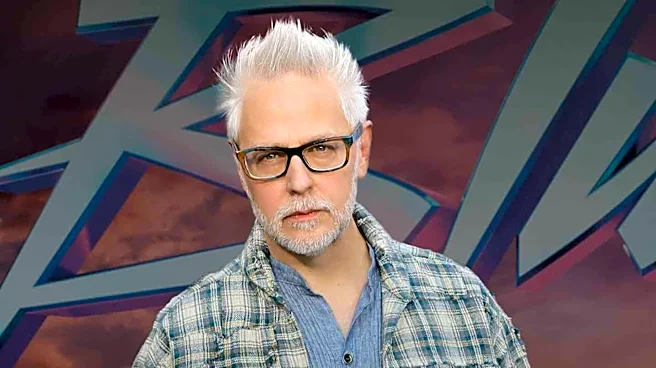
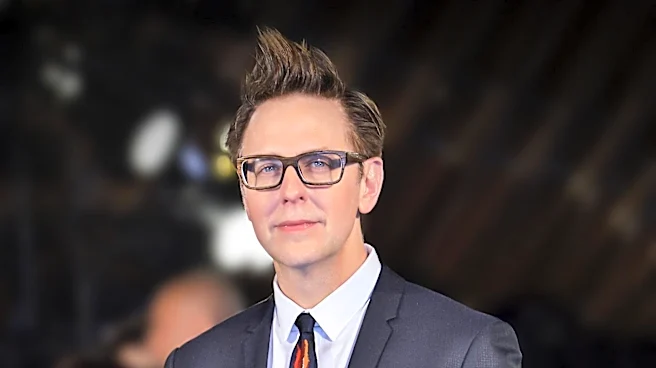
James Gunn, co-head of DC Studios with Peter Safran, has detailed the foundational philosophy for the newly rebooted DC Universe, emphasizing individual storytelling over a rigid, interconnected franchise model. Gunn explained on Threads that the new approach
allows for stories to be told at any location or time, without the necessity of each narrative serving as a setup for future events. He cited 'Star Wars' as an example of a franchise that has successfully maintained individual story integrity across various media for decades. While acknowledging that connectivity will exist, such as the 'Superman' saga progressing from 'Superman' to 'Man of Tomorrow' and incorporating characters introduced elsewhere, Gunn stressed that other stories, like 'Clayface,' are intended to be meaningful on their own merits rather than solely as precursors to future appearances. This strategy aims to avoid the 'convoluted continuity' that can lead to audience burnout.
Why It's Important?
This strategic shift by James Gunn is crucial for the future of the DC Universe and potentially sets a new precedent in the superhero genre. By prioritizing standalone narratives, DC Studios aims to combat 'comic book fatigue' and make its content more accessible to casual audiences who may be overwhelmed by complex, interconnected storylines. This approach could foster greater creative freedom for filmmakers, allowing for diverse tones and ratings without the pressure of fitting every story into a grand, overarching plot. If successful, it could lead to a more varied and critically acclaimed slate of films and series, potentially revitalizing audience interest in DC properties. This move also signals a departure from the Marvel Cinematic Universe's highly integrated model, offering a distinct alternative in the superhero film landscape.
What's Next?
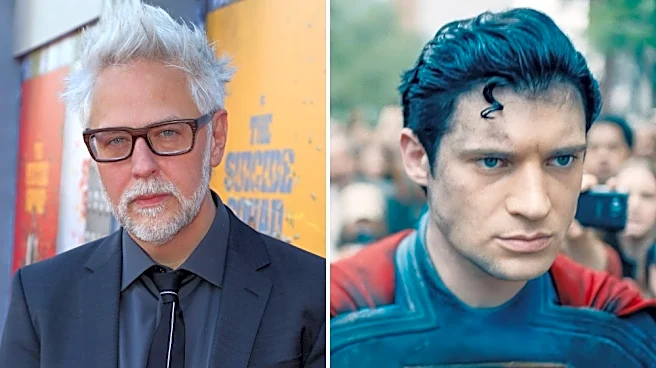
The first major test of this new philosophy will be James Gunn's 'Superman: Man of Tomorrow,' which he is writing and directing, set to release on July 9, 2027. This film will be a key indicator of how the DC Universe will balance individual storytelling with broader connectivity. Future projects, such as 'Clayface,' will further demonstrate the commitment to standalone narratives. Stakeholders, including fans, critics, and investors, will closely watch the box office performance and critical reception of these initial projects to gauge the effectiveness of Gunn's strategy. The success or failure of this approach could influence how other studios develop their cinematic universes, potentially leading to a broader industry shift towards more self-contained stories within larger franchises.
Beyond the Headlines
Gunn's strategy reflects a deeper critique of the current state of blockbuster filmmaking, where franchise building often overshadows narrative quality. By advocating for stories that are meaningful in themselves, DC Studios is implicitly challenging the prevailing industry trend of prioritizing long-term roadmaps and endless sequels. This approach could lead to a more artistically driven cinematic universe, where individual films are judged on their own merits rather than their contribution to a larger tapestry. Ethically, it empowers creators to tell complete stories without being constrained by future obligations. Culturally, it could re-educate audiences to appreciate standalone narratives, potentially shifting the focus from 'what's next' to 'what's now' in cinematic consumption. This could foster a more diverse and innovative landscape for superhero storytelling.