


What's Happening?
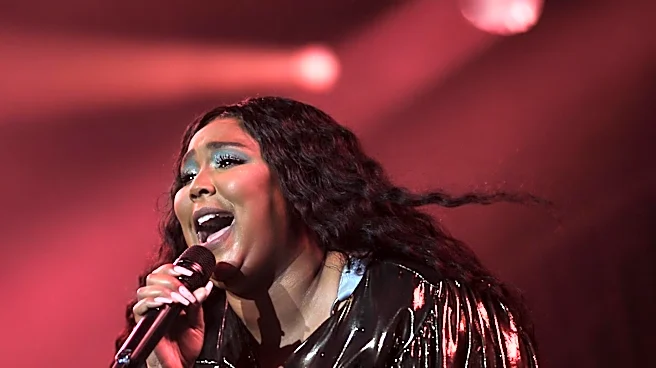
Singer Lizzo, whose real name is Melissa Jefferson, has publicly addressed her decision to follow only a few individuals on social media platforms like Instagram. She explained that this practice is a direct response to the online harassment experienced
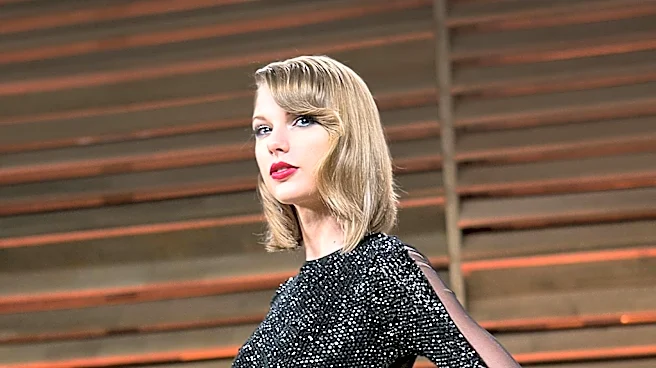
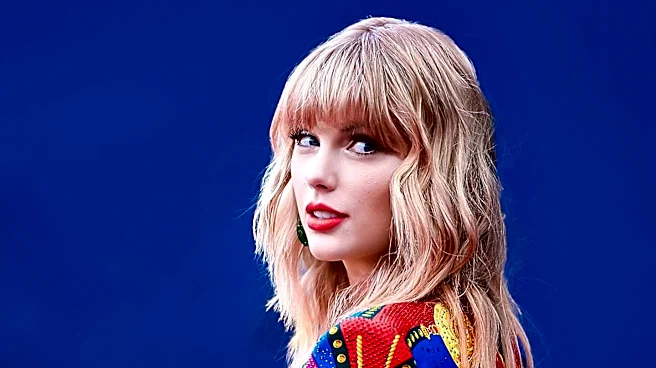
by people she follows. According to Lizzo, anyone she followed would become a target for online trolls, leading her to unfollow nearly everyone to protect those in her life. This explanation came after observations that many A-list celebrities, including Zendaya and Taylor Swift, also maintain very low following counts on social media. Lizzo has faced significant online negativity, particularly as a plus-size Black woman, and has been a target of fatphobic and racist comments. She also experienced a wave of backlash in 2023 following a lawsuit filed by former backup dancers and a stylist alleging a hostile work environment, which intensified scrutiny on her and those associated with her.
Why It's Important?
Lizzo's explanation highlights a significant issue within the entertainment industry and broader social media landscape: the pervasive nature of online harassment and its impact on public figures and their associates. This trend of celebrities limiting their social media interactions to protect their personal circles underscores the severe psychological toll of constant online scrutiny. It reveals how the anonymity afforded by the internet can embolden individuals to engage in harmful behavior, affecting not only the celebrities themselves but also their friends, family, and colleagues. The situation also brings to light the challenges faced by public figures, particularly those from marginalized communities, who often endure heightened levels of online abuse. This phenomenon can lead to celebrities withdrawing from public engagement, potentially limiting their ability to connect with fans and share their work authentically.
What's Next?
The ongoing issue of online harassment is likely to continue influencing how celebrities manage their social media presence. More public figures may adopt similar strategies of limiting their following lists or increasing privacy settings to shield their personal connections from negative attention. Social media platforms may face continued pressure to implement more robust measures to combat online abuse, though the effectiveness of such measures remains a challenge. Discussions around digital citizenship and the psychological impact of online interactions are also expected to grow, potentially leading to greater awareness and educational initiatives. For Lizzo, her stance may encourage other celebrities to speak out about their experiences with online harassment, fostering a more open dialogue about the darker side of fame in the digital age.
Beyond the Headlines
Lizzo's experience delves into the deeper societal implications of online disinhibition, where individuals feel less accountable for their actions due to anonymity. This phenomenon contributes to a culture where hateful comments and personal attacks are normalized, eroding empathy and fostering a hostile online environment. The constant scrutiny and negativity can lead to significant mental health challenges for public figures, prompting questions about the ethical responsibilities of both social media users and platform providers. Furthermore, the targeting of individuals associated with celebrities raises concerns about privacy and the blurring lines between public and private life in the digital era. This situation also reflects broader issues of prejudice and discrimination, as Lizzo's experiences with fatphobic and racist comments highlight how existing societal biases are amplified and perpetuated online.