



What's Happening?
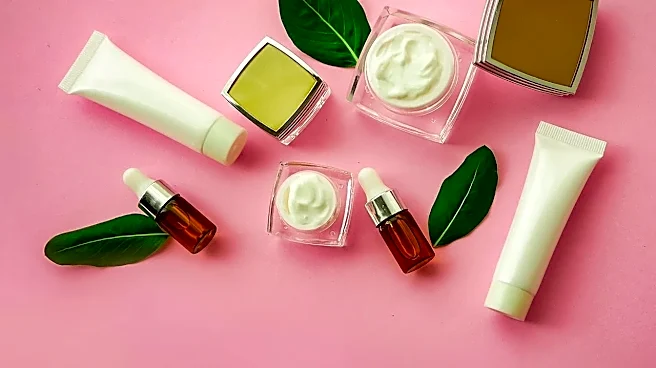
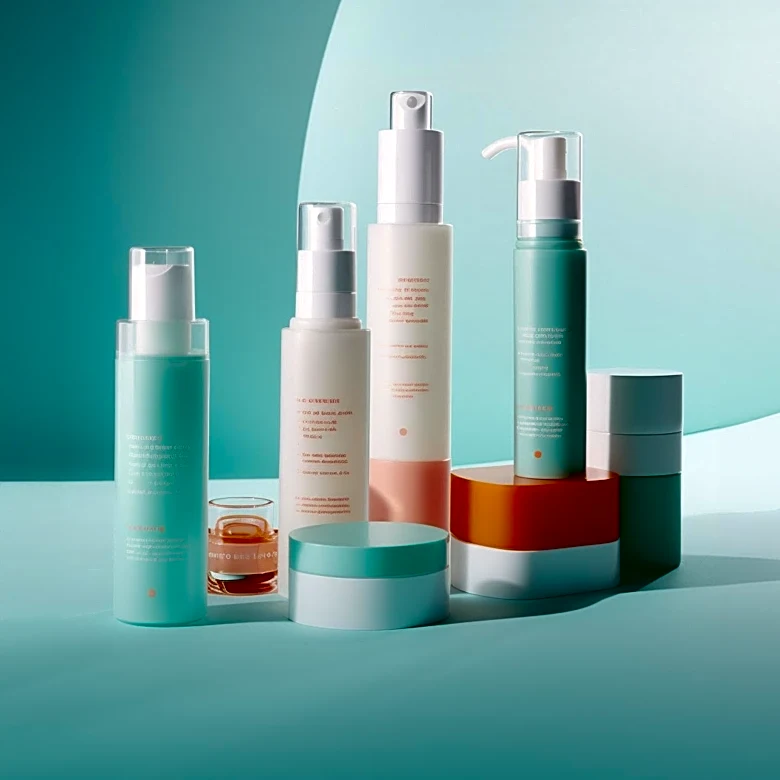
The 'skinimalism' trend is gaining traction in skincare, advocating for a simplified routine that prioritizes fewer products designed to deliver more comprehensive benefits. This approach moves away from multi-step rituals involving numerous active ingredients
like retinol and acids, which can sometimes overwhelm the skin. Instead, skinimalism focuses on supporting the skin's natural protective barrier through products containing ingredients such as ceramides, soothing agents, and hydrating components. When skin becomes tight, dry, rough, or reactive, the trend suggests shifting attention to formulas that calm, moisturize, and protect, rather than introducing more intensive treatments. This philosophy aims to provide skin comfort and promote a 'reset' for overloaded skin, emphasizing hydration, soothing, and protection.
Why It's Important?
The rise of skinimalism reflects a broader shift in consumer preferences within the beauty industry, moving towards more conscious and effective skincare practices. This trend can significantly impact the U.S. beauty market by influencing product development and marketing strategies. Companies may pivot towards creating multi-functional products with simplified ingredient lists, focusing on core components that support skin barrier health. This could lead to a reduction in the demand for extensive, multi-product routines, potentially affecting sales of single-purpose or highly specialized active ingredient serums. Consumers, in turn, stand to gain from potentially less irritated skin and more cost-effective routines, as they invest in fewer, higher-quality products. The emphasis on skin health over an abundance of active ingredients also aligns with a growing desire for transparency and efficacy in beauty products.
What's Next?
As the skinimalism trend continues to evolve, consumers can expect to see an increase in product offerings that align with its core principles. Skincare brands are likely to introduce more serums and creams formulated with ceramides, panthenol, and cica, specifically designed to repair and strengthen the skin barrier. There will likely be a continued focus on fragrance-free and hypoallergenic formulations to cater to sensitive and reactive skin types. Educational campaigns from beauty brands and dermatologists may also emerge, guiding consumers on how to effectively simplify their routines and identify essential ingredients. This shift could also lead to a re-evaluation of existing product lines, with some brands potentially streamlining their offerings to better fit the minimalist ethos. The long-term impact could see a more informed consumer base prioritizing skin health and comfort over complex, ingredient-heavy regimens.
Beyond the Headlines
Beyond the immediate market implications, skinimalism touches upon deeper cultural and psychological aspects of beauty. In an era of information overload and consumerism, the trend offers a counter-narrative, promoting mindfulness and intentionality in self-care. It challenges the notion that more products equate to better results, encouraging individuals to listen to their skin's needs rather than blindly following extensive routines. This shift could foster a more sustainable approach to beauty, reducing product waste and promoting conscious consumption. Ethically, it encourages brands to prioritize efficacy and skin health over marketing hype, potentially leading to more honest and transparent product claims. Culturally, skinimalism may contribute to a broader acceptance of natural beauty and a less-is-more philosophy, influencing not just skincare but also makeup and overall lifestyle choices.