





What's Happening?
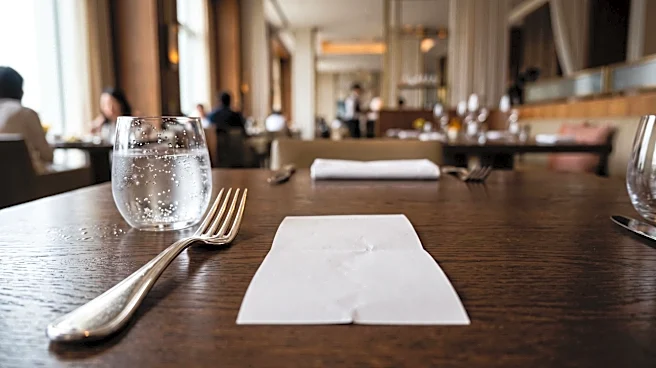
An outraged diner has publicly criticized Earls Kitchen and Bar, an upscale casual restaurant chain with over 67 locations in the US and Canada, for adding a 3% 'admin fee' to his bill. The customer, who dined at a Denver location, posted a photo of his receipt
on Reddit, showing the surcharge applied to his order of a deluxe burger and truffle fries. The final bill, before tip, was $30.86, which included the $0.83 'admin fee' in addition to sales tax. The diner expressed feeling 'harassed and extorted' and stated he would not leave a tip. This incident has sparked a significant online backlash, with many Reddit users condemning the practice as a 'cash grab' and some indicating they would deduct such fees from the server's tip. The New York Post reached out to Earls Kitchen and Bar for comment but did not receive an immediate response. This event follows a similar complaint earlier this month against Los Angeles restaurant Uca Terraza, which charged a 5% administrative surcharge on top of a mandatory 20% gratuity.
Why It's Important?
This incident highlights a growing frustration among American consumers regarding hidden fees and evolving tipping practices in the restaurant industry. A recent survey indicates that 78% of American consumers believe modern tipping has become excessive, and 74% have observed a significant increase in default gratuity prompts on digital checkout screens. The prevalence of these surcharges, often vaguely labeled as 'admin fees,' can lead to a lack of transparency in pricing, making it difficult for consumers to understand the true cost of their meals. This trend could erode customer trust and loyalty, potentially impacting the restaurant industry's reputation and profitability. Furthermore, the public's reaction suggests a potential shift in consumer behavior, with some diners considering reducing or eliminating traditional tips to offset these additional charges, which could negatively affect the income of service staff. The debate also raises questions about fair labor practices and how restaurants choose to cover operational costs.
What's Next?
The viral backlash against Earls Kitchen and Bar could prompt the restaurant chain, and potentially others, to re-evaluate their billing practices and fee structures. Increased public scrutiny and negative social media attention may pressure establishments to either remove such fees, clearly disclose them upfront, or provide a more transparent explanation for their purpose. Consumers may become more vigilant in scrutinizing their bills, leading to more frequent challenges of unexpected charges. Industry-wide, there could be a push for greater clarity and standardization in how additional fees are presented to customers. Regulatory bodies might also take notice of the growing consumer complaints, potentially leading to discussions about consumer protection laws related to pricing transparency in the service sector. Restaurants that fail to adapt to these consumer sentiments risk further reputational damage and a decline in patronage.
Beyond the Headlines
The controversy surrounding 'admin fees' extends beyond simple billing practices, touching upon broader economic and ethical considerations within the service industry. These fees often represent an attempt by restaurants to offset rising operational costs, such as increased minimum wages, healthcare benefits for employees, or other overheads, without directly raising menu prices. However, the lack of transparency in how these fees are communicated can be perceived as deceptive, undermining the trust between businesses and their customers. Ethically, it raises questions about whether the burden of these costs should be directly passed to consumers in an opaque manner, rather than being integrated into menu pricing or absorbed through other business efficiencies. This trend also reflects a changing landscape of consumer expectations regarding value and service, where hidden costs can quickly negate a positive dining experience. The ongoing debate could lead to a re-evaluation of the traditional tipping model and the search for more equitable and transparent compensation structures for restaurant workers.