


What's Happening?
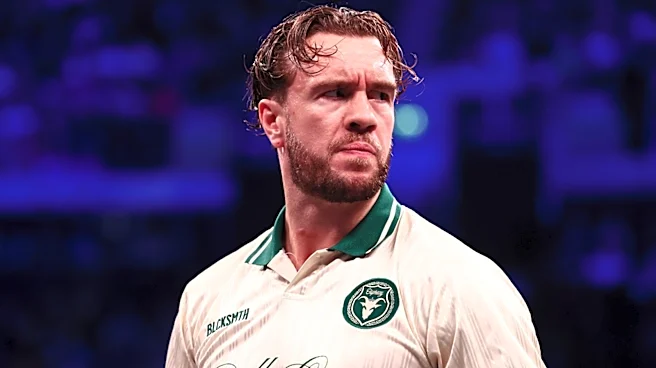
Professional wrestler Kyle Fletcher revealed that his primary goal during his recovery from a leg injury earlier this year was to return in time for AEW All In. Fletcher sustained the injury in April, which sidelined him until after AEW Double Or Nothing.
Despite the uncertainty surrounding his recovery timeline, he focused on being fit for the All In event. He expressed that the day of All In felt like a long time coming, having been a target since the initial injury. Fletcher returned to action by attacking Konosuke Takeshita after Double Or Nothing and subsequently resumed wrestling.
Why It's Important?
This highlights the significant personal and professional commitment athletes make to major events in their sport. For professional wrestling, events like AEW All In are pinnacle moments that can define careers and draw massive viewership. Fletcher's dedication to returning for this specific event underscores its importance within the All Elite Wrestling (AEW) calendar and to the wrestlers themselves. His narrative can resonate with fans, showcasing the resilience and determination required in professional sports, potentially increasing engagement and appreciation for the athletes' efforts. It also demonstrates the pressure athletes face to perform at high-profile events, even when recovering from injuries.
What's Next?
Following his return and participation in AEW All In, Kyle Fletcher will likely continue his wrestling career with AEW. His focus will now shift from injury recovery to ongoing competition and storyline development within the promotion. Fans can anticipate his continued involvement in matches and potential feuds, building on his return. His performance at All In and subsequent appearances will determine his trajectory within AEW, potentially leading to championship opportunities or high-profile matches. The wrestling world will be watching to see how he maintains his form and momentum after overcoming a significant injury.
Beyond the Headlines
Fletcher's experience sheds light on the psychological aspect of athlete recovery, where setting a clear, high-stakes goal like returning for a major event can be a powerful motivator. This mental fortitude is crucial not only for physical rehabilitation but also for maintaining a competitive edge. It also subtly touches upon the demanding schedule of professional wrestling, where injuries are a constant risk, and the pressure to return quickly for significant events is immense. This situation reflects the broader challenges faced by athletes across various sports, balancing health and career aspirations in a highly competitive environment.