







What's Happening?
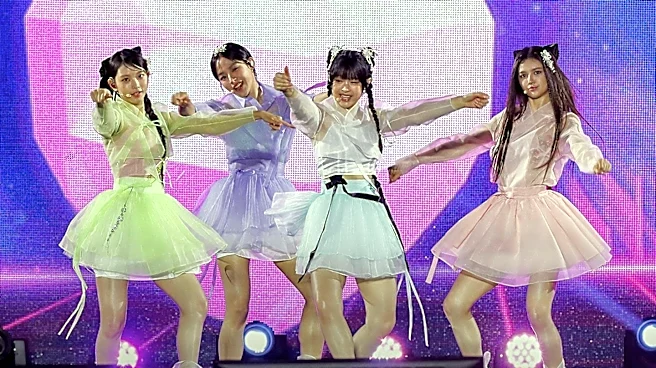
The K-pop girl group NewJeans' recording contracts reportedly contain provisions allowing their label, HYBE subsidiary ADOR, to use and license AI-generated versions of the members' voices indefinitely, even after their deals expire in 2029. According
to The New York Times, which obtained and published the agreements, these contracts also permit ADOR to continue selling and repackaging NewJeans' music after 2029, albeit with reduced payments to the members. Unlike standard K-pop contract templates that typically end a label's rights to an artist's identity upon contract expiration, ADOR's agreements extend control over the members' identities, including the use of AI 'voice clones or chatbots.' While the singers are to be paid for this continued use, they reportedly have no say in how their likenesses and voices are utilized. Legal experts have expressed uncertainty regarding the enforceability of these provisions in court.
Why It's Important?
These contractual terms raise significant concerns about artist rights and intellectual property in the evolving landscape of AI technology within the entertainment industry. The indefinite control over AI-generated voices and likenesses could set a precedent for how labels manage artists' post-contract careers, potentially diminishing artists' autonomy and future earning potential. For the U.S. entertainment sector, this situation highlights the growing need for clear legal frameworks and ethical guidelines concerning AI's role in creative works. It could influence contract negotiations for American artists, particularly those in music, by prompting closer scrutiny of clauses related to digital rights and AI. The enforceability of such clauses, especially those signed by minors, could lead to legal challenges that shape future industry standards and protections for performers.
What's Next?
The legal validity of these contract provisions, particularly those concerning indefinite AI voice rights and the lack of artist say, remains uncertain and could face challenges in court. The NewJeans members had previously announced plans to appeal a Seoul Central District Court ruling that upheld their contracts through 2029, indicating ongoing legal disputes. This situation may prompt industry-wide discussions and potential legislative action regarding artist protections in the age of AI, both in South Korea and internationally. Other artists and their legal teams may begin to scrutinize their own contracts for similar clauses, potentially leading to demands for more equitable terms regarding AI and digital rights. The outcome of this case could significantly influence future contract negotiations and intellectual property laws in the global music industry.
Beyond the Headlines
The NewJeans contract controversy delves into deeper ethical and philosophical questions about ownership of one's voice and identity in the digital age. The concept of 'voice clones' and 'chatbots' raises concerns about the commodification of human essence and the potential for exploitation, especially when contracts are signed by minors. It highlights a power imbalance between artists and large corporations, where technological advancements can be leveraged to extend control beyond traditional contractual boundaries. This case could spark broader conversations about digital personhood, the rights of creators in an AI-driven world, and the need for robust legal and ethical frameworks to protect individuals from having their digital identities used without their full consent or control. It underscores the tension between technological innovation and human rights in the entertainment industry.