



What's Happening?
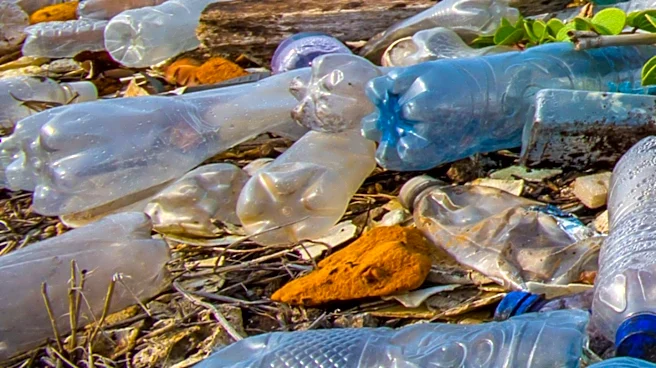
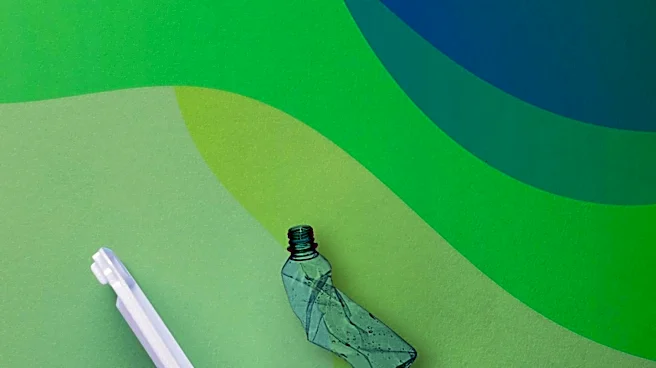
A new report indicates that PET plastic bottles have the potential to significantly advance circularity and reduce emissions by up to 50%. The report outlines a roadmap with a 57% pathway, providing concrete directions for the PET value chain. Many of
the substantial emission reductions can be achieved through practices that are currently available. The report also points to future opportunities, such as bio-based PET, carbon capture technologies, and expanded advanced recycling methods, which could further enhance circularity as these technologies mature and more comprehensive life cycle data becomes available. Progress within the PET plastic value chain is contingent on improved collaboration among all stakeholders. Manufacturers are encouraged to minimize material and energy consumption, recyclers to increase material recovery and enhance recycled-resin quality, and brands to facilitate this by designing packaging for recyclability and consistently demanding recycled content.
Why It's Important?
This report is significant for the U.S. economy and environmental policy as it provides a clear pathway for reducing the carbon footprint of a widely used material. The potential 50% reduction in emissions from PET plastic bottles directly contributes to national climate goals and can help industries meet sustainability targets. For businesses, particularly those in packaging, consumer goods, and recycling, the report outlines actionable strategies for operational improvements and innovation. Increased demand for recycled content and improved recycling infrastructure could stimulate investment in the circular economy, creating new jobs and fostering technological advancements. Consumers stand to benefit from more sustainable product options and a reduced environmental impact associated with their purchases, while policymakers gain data-driven insights to develop effective regulations and incentives for circularity.
What's Next?
The roadmap presented in the report suggests that the PET value chain will focus on implementing currently available practices to achieve immediate emission reductions. This includes manufacturers optimizing material and energy use, recyclers enhancing recovery rates and resin quality, and brands prioritizing packaging design for recyclability and increasing their use of recycled content. In the longer term, the industry will likely explore and invest in emerging technologies such as bio-based PET, carbon capture, and advanced recycling. Collaboration among manufacturers, recyclers, and brands will be crucial for realizing these projections. Policy initiatives supporting circular economy principles, such as extended producer responsibility schemes or incentives for using recycled materials, could further accelerate the adoption of these practices and technologies.
Beyond the Headlines
The report's findings underscore a broader shift in industrial thinking towards a circular economy model, moving away from linear 'take-make-dispose' approaches. The emphasis on collaboration across the entire value chain highlights the interconnectedness of modern industrial systems and the necessity of a holistic approach to sustainability. Beyond the immediate environmental benefits, a robust circular economy for PET could reduce reliance on virgin fossil resources, enhancing resource security and mitigating price volatility. Ethically, it addresses the growing concern over plastic waste and its impact on ecosystems, promoting a more responsible consumption and production paradigm. This could also spur innovation in material science and waste management, leading to new industries and economic opportunities that align with environmental stewardship.