








What's Happening?
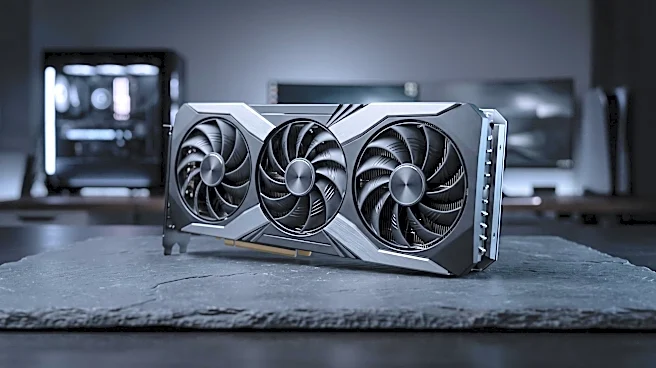
The NVIDIA GeForce RTX 5080 graphics card, initially launched in January 2025 with a Manufacturer's Suggested Retail Price (MSRP) of $999, is now selling for nearly $2,000 at major U.S. retailers. This represents an increase of approximately $800 in just
two months. Retailers such as Micro Center, Best Buy, and Newegg show prices ranging from $1,800 to over $2,300 for available units. For instance, Micro Center lists some models at $1,979.99 for in-store pickup, while Best Buy offers a PNY RTX 5080 Triple Fan OC for $1,999.99 online. Newegg's own inventory for new RTX 5080 models appears depleted, with listings either out of stock or marked as 'coming soon,' pushing consumers towards third-party sellers with even higher prices. This price surge has made it virtually impossible for consumers to purchase the card near its original MSRP, with current prices often exceeding double the launch price.
Why It's Important?
This significant price increase for the NVIDIA RTX 5080 graphics card has substantial implications for the U.S. PC gaming and enthusiast market. Consumers looking to upgrade their systems are facing considerably higher costs, potentially deterring purchases and impacting the demand for high-end gaming hardware. The situation also highlights potential supply chain issues or strategic shifts by NVIDIA, as the company has not issued a statement regarding the price hikes or GPU supply. The RTX 5080 is effectively taking over as the flagship GeForce model in retail due to the scarcity and even higher pricing of the RTX 5090, which has been listed at over $5,500. This trend could lead to a broader market adjustment where high-performance GPUs become less accessible to the average consumer, shifting market dynamics and potentially boosting demand for alternative or lower-tier graphics cards.
What's Next?
The immediate future suggests continued high prices for the NVIDIA RTX 5080 unless NVIDIA addresses the supply issues or provides clarity on its pricing strategy. Consumers can expect to pay significant premiums over the MSRP for the foreseeable future, especially as major retailers struggle to maintain stock. The lack of communication from NVIDIA leaves consumers and industry observers speculating about the causes, which could range from production constraints to increased demand for components used in AI infrastructure. This situation may also prompt competitors to capitalize on the market gap, potentially leading to increased competition in the high-end GPU segment. Retailers might continue to adjust their pricing based on limited availability and market demand, further solidifying the elevated price point for these graphics cards.
Beyond the Headlines
The soaring prices of the NVIDIA RTX 5080 point to deeper underlying issues within the technology supply chain and the broader market for high-performance computing components. The increased demand for GDDR7 memory, driven by the booming AI industry, is likely contributing to the scarcity and higher costs of graphics cards. This trend suggests a potential long-term shift where components traditionally used for consumer gaming are increasingly diverted to more lucrative AI and data center markets. This could lead to a permanent re-evaluation of pricing structures for high-end GPUs, making them a luxury item rather than a standard upgrade for PC enthusiasts. The ethical implications of such price gouging, especially without clear communication from the manufacturer, could also lead to consumer backlash and calls for greater transparency in pricing and supply chain management within the tech industry.