






What's Happening?
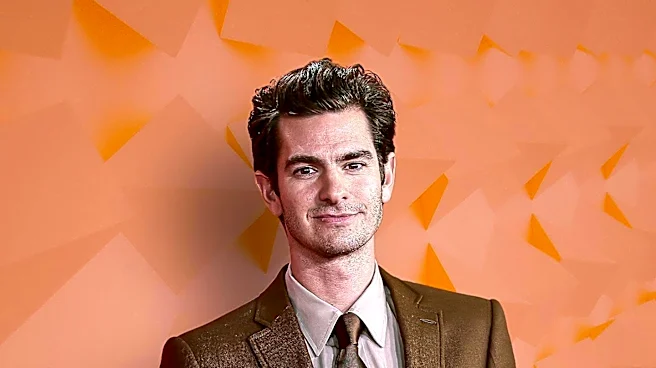
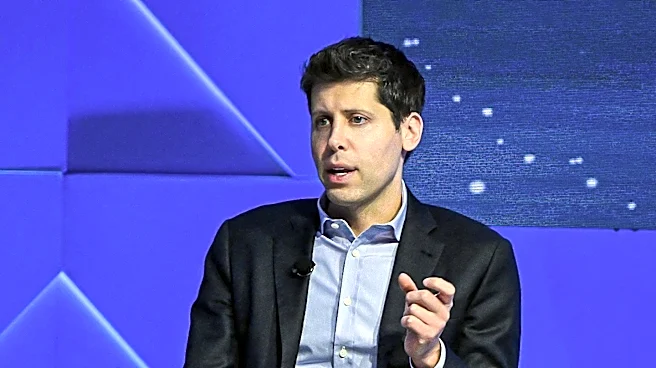
Actor Andrew Garfield is making headlines for his comments regarding the ethical responsibilities of developing powerful technology, specifically artificial intelligence. These remarks come as he prepares to portray Sam Altman, CEO of OpenAI, in the upcoming
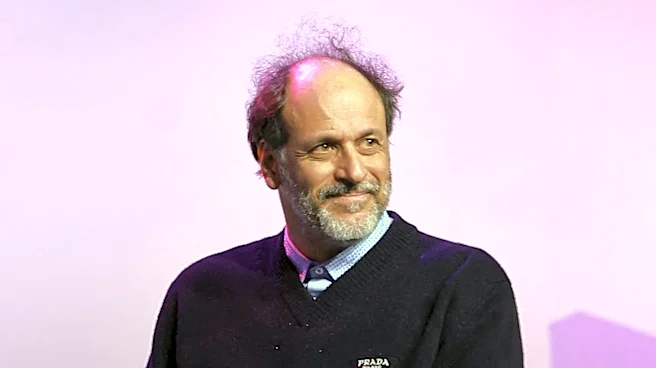
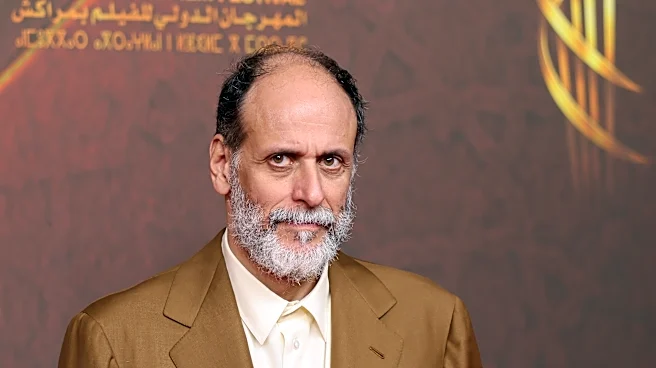
biopic 'Artificial,' directed by Luca Guadagnino. Garfield's preparation for the role involved extensive research, including studying Altman's interviews, court transcripts, and the broader societal impact of AI. His research led him to question the accountability of individuals who develop technologies with the potential for significant harm. Garfield expressed wonder at how someone could maintain peace of mind while knowing their decisions might contribute to adverse outcomes. It is important to note that these comments reflect Garfield's personal views and are not presented as an independent finding of harm caused by Altman. Garfield has also stated that he has not personally met Altman, basing his portrayal on available public materials and research.
Why It's Important?
Garfield's public statements, made in the context of a high-profile film about a leading AI figure, bring renewed attention to critical debates surrounding AI development and corporate responsibility. The discussion highlights the growing public and ethical scrutiny faced by technology leaders whose innovations have the potential to reshape global society. This conversation is particularly relevant in the U.S., where tech companies and their executives are increasingly under the microscope regarding data privacy, algorithmic bias, and the broader societal implications of their products. The film and Garfield's comments could influence public perception of AI and its developers, potentially fueling calls for greater accountability and regulation within the tech industry. This could impact policy discussions, investment trends in AI, and the public's trust in emerging technologies, affecting both innovators and consumers.
What's Next?
The upcoming biopic 'Artificial' is expected to further amplify discussions around AI ethics and the role of its creators. As the film progresses through production and eventual release, it will likely continue to generate dialogue among the public, policymakers, and the tech community. This could lead to increased pressure on AI companies to address ethical concerns more transparently and proactively. Stakeholders, including government bodies, advocacy groups, and investors, may intensify their scrutiny of AI development practices. The film's narrative and Garfield's portrayal could shape public opinion, potentially influencing regulatory frameworks and corporate governance standards for AI in the U.S. The ongoing debate about accountability for powerful technology leaders is expected to evolve as AI capabilities advance and its integration into daily life deepens.
Beyond the Headlines
The ethical questions raised by Andrew Garfield extend beyond the immediate context of the biopic, touching upon fundamental societal concerns about technological progress and human responsibility. The discussion highlights a growing tension between rapid innovation and the need for ethical foresight, particularly in fields like AI where the long-term impacts are still largely unknown. This situation underscores a broader cultural shift where public figures, even those in entertainment, are increasingly engaging with complex scientific and ethical dilemmas. The portrayal of tech leaders in popular media can significantly influence public discourse, potentially shaping collective values and expectations regarding corporate behavior and technological governance. This development could contribute to a more robust public dialogue about the moral obligations of those who wield significant technological power, fostering a greater demand for ethical considerations to be embedded in the design and deployment of future technologies.