



What's Happening?
The Oklahoma City Thunder have been strategically navigating the NBA landscape, particularly in response to the new Collective Bargaining Agreement (CBA) aimed at preventing dynasties. Despite NBA Commissioner Adam Silver's intentions to impose stricter
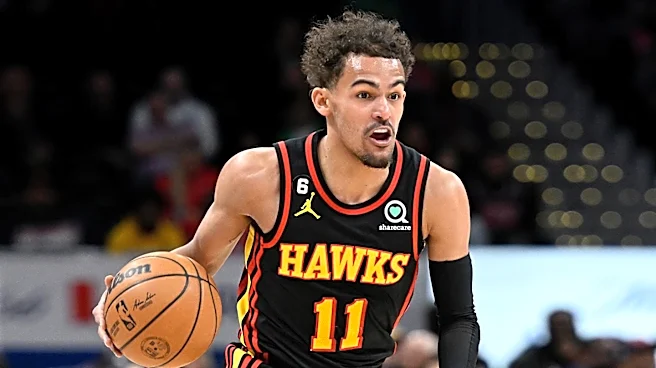
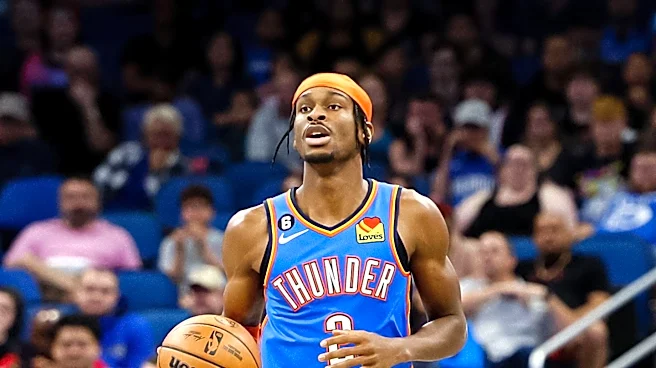
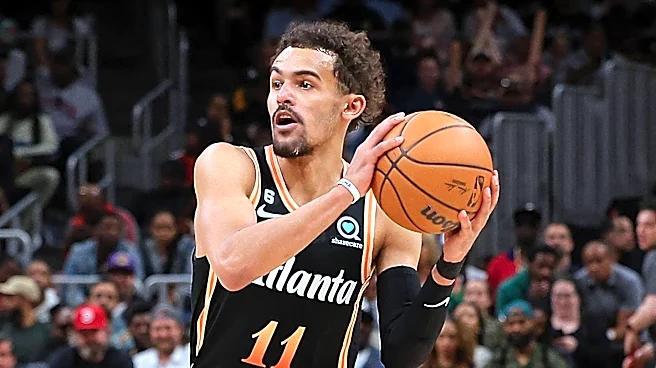
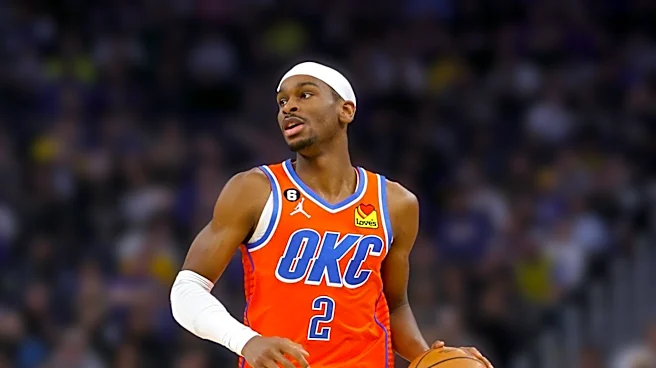
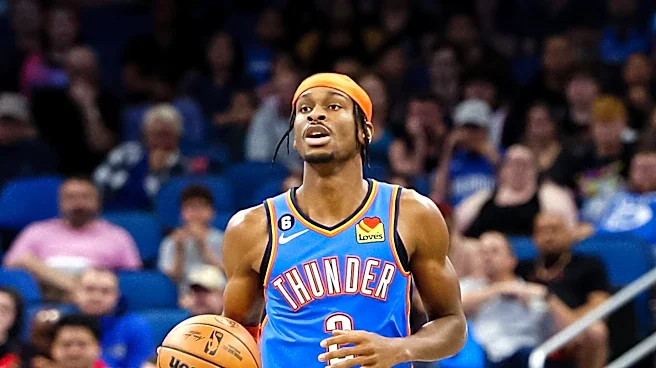
financial regulations, the Thunder have managed to maintain their competitive edge. They have made significant roster adjustments, including trading veteran Lu Dort to the Atlanta Hawks, to manage their payroll and avoid the second apron threshold. This move was part of a broader strategy to shed $317 million in payroll and luxury tax penalties, ensuring financial flexibility while retaining their core players like Shai Gilgeous-Alexander, Chet Holmgren, and Jalen Williams.
Why It's Important?
The Thunder's ability to adapt to the new CBA restrictions highlights their potential to become a long-standing powerhouse in the NBA. By successfully managing their finances, they have positioned themselves to retain key players and continue building a strong team. This strategic maneuvering not only secures their current roster but also allows them to invest in future talent, making them a formidable contender in the league. The Thunder's approach serves as a model for other teams facing similar financial constraints, demonstrating the importance of balancing competitive aspirations with fiscal responsibility.
What's Next?
Moving forward, the Thunder are expected to continue leveraging their financial flexibility to strengthen their roster. With the core trio of Gilgeous-Alexander, Holmgren, and Williams locked in, the team is well-positioned to compete at a high level. Additionally, the Thunder's accumulation of draft capital and young prospects suggests they will remain active in the trade market and draft selections, further enhancing their competitive edge. As the NBA landscape evolves, the Thunder's strategic planning will be crucial in navigating future challenges and maintaining their status as a top contender.